



MAN 175D engines selected for new OSV bound for Canada
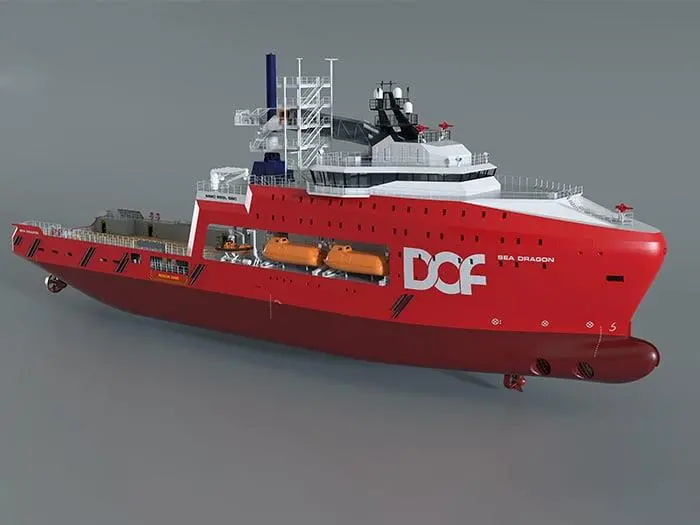
The vessel, currently referred to as Sea Dragon, is set to assist operations off the coast of Newfoundland, Canada, with an expected delivery date in the first quarter of 2027.
Designed by Gdynia-based MMC Ship Design & Marine Consulting Ltd., the ice-classed, 110-metre vessel will feature dynamic positioning class 3 and is designed to accommodate 164 personnel. It will support a wide range of operations, including gas crew changes, drilling support, field safety standby, emergency towing, and ice management.
“This engine configuration will enable the Sea Dragon to perform a variety of tasks over a wide load range, with characteristics such as seakeeping, responsiveness, and adaptability being key,” said Lex Nijsen, Head of Marine Europe and Americas at MAN Energy Solutions. “This order not only serves as an excellent reference for the MAN 175D engine but also marks the beginning of what we anticipate will be a long operational presence in North America.”
Florian Keiler, Head of High-Speed at MAN Energy Solutions, added, “The MAN 175D is a versatile unit that achieves its most competitive fuel consumption in variable speed mode. Its environmental footprint and operating costs are among the lowest in class due to its high fuel efficiency, low lube oil consumption, and extended service intervals. Combined with MAN PrimeServ’s after-sales support, we are confident that the 175D represents a strong overall package for our customers, and we thank DOF for placing its trust in us.”
MAN Energy Solutions developed the MAN 175D engine range to complement its maritime product portfolio. Available in 12-, 16-, and 20-cylinder variants, the engine provides an output ranging from 1,500 to 4,400 kilowatts and is particularly suited for ferries, offshore support vessels, tugs, and other working vessels. Additionally, variants are available for superyachts, planing yachts, and naval marine applications.
The 175D is designed with a focus on sustainability, delivering low fuel consumption while meeting the latest exhaust-gas-emission standards. It is already cleared for operation on biofuels such as FAME and HVO, and is prepared for future use with methanol.
Related Articles
 NEWS
NEWS
 ALTERNATIVE FUELS & LUBRICANTS
 ALTERNATIVE FUELS & LUBRICANTS