



MAN DEMONSTRATES TWO-STROKE OTTO CYCLE ENGINE
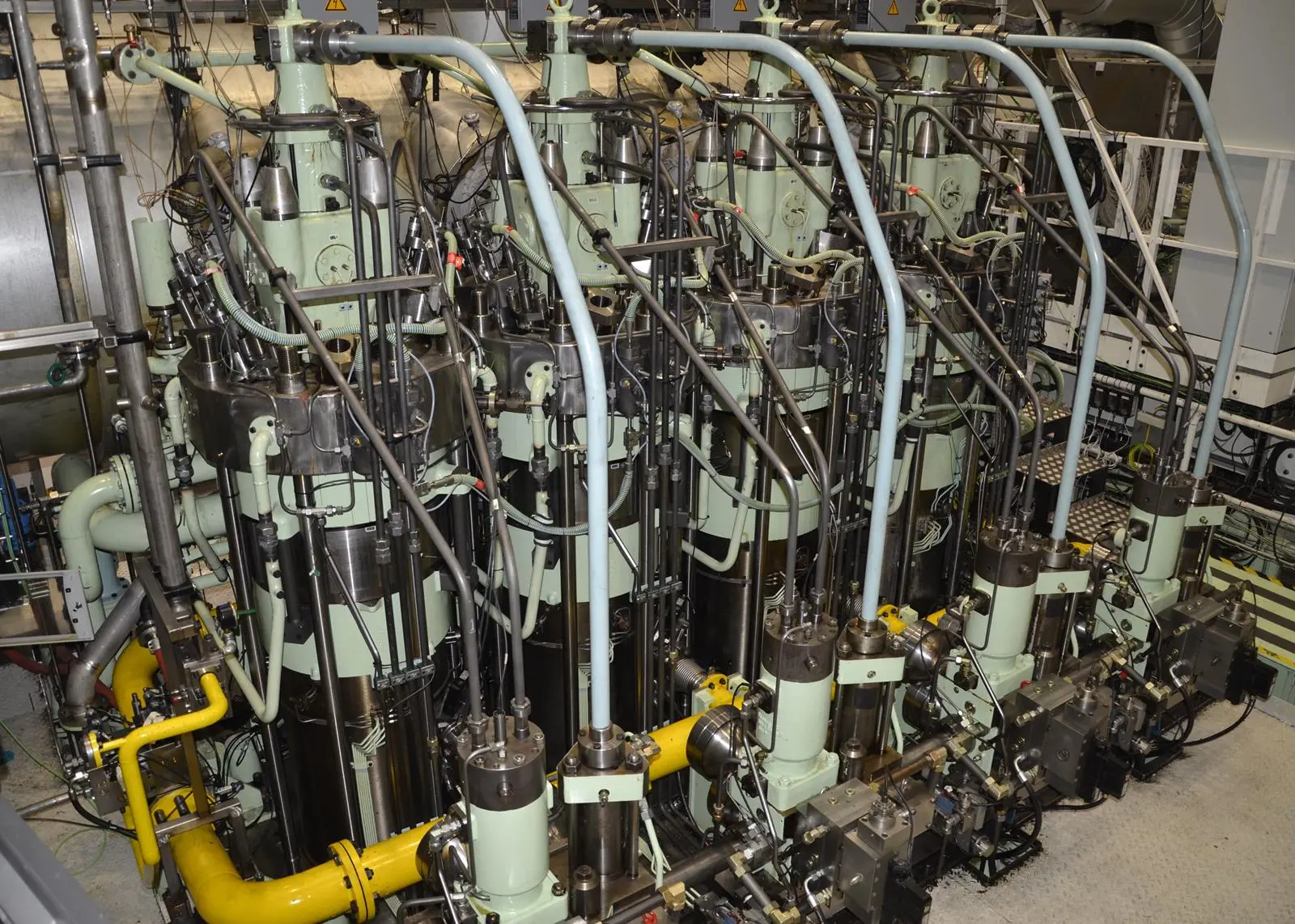
The ME-GA engine is Tier II and Tier III compliant in gas-operation mode, as its pre-mixed combustion results in low NOx emissions. The engine is being offered with Exhaust Gas Recirculation (EGR), which will allow the ME-GA to reduce specific gas consumption by ~3%, and specific fuel-oil consumption by 5%.
It will also significantly reduce methane slip by 30 to 50%, and improve the stability of the Otto-cycle combustion process. EGR will enable the ME-GA to meet Tier III requirements in both fuel oil and gas modes without additional aftertreatment.
Wayne Jones OBE, Chief Sales Officer, MAN Energy Solutions, said: “Our development of new technologies is directly influenced by the close relationships we have with our customers. We initiated this ME-GA project in late 2017 when we recognised a strong market desire for a lower-cost alternative to the ME-GI engine, driven primarily by the LNG carrier market. Crucially, this new supplement to our dual-fuel portfolio continues our mission to decarbonise shipping and further the maritime energy transition to sustainable fuels.”
The company aims to start testing the first, commercial ME-GA design by the end of 2021, with the first engine delivery following in early 2022.
Bjarne Foldager, Senior Vice President and Head of Two-Stroke Business, revealed the ME-GA engine had already been specified in several LNG carrier newbuilding projects. The details of the first of the projects will be revealed in the next “three to four weeks”, Foldager noted.
The company also revealed that the company was planning to add a 500mm bore version of the engine – S50ME-C-GA – to its engine programme alongside its existing 700mm bore G70ME-C10.5-GA and 600mm bore G60ME-C10.5-GA options.
While the MAN B&W ME-GA engine was primarily focused on the LNG carrier market, where the ability to use ‘boil-off’ gas as a source of fuel made the Otto Cycle concept commercially attractive, the solution was also aimed at other vessel types and applications, where low capital outlay is a priority. These include Aframax tankers, for example.
Bjarne Foldager also recognised the contribution that Hyundai Heavy Industries had made during the development of the project, both from the engine licensee HHI-EMD and from Hyundai Heavy Industries’ shipyard division.
“We have also received good interest from other shipyards in Korea, as well as China and Japan,” Foldager concluded.
Related Articles
 PROPULSION
 GENERAL NEWS
 GENERAL NEWS