



Marine coating looks to plant life for inspiration
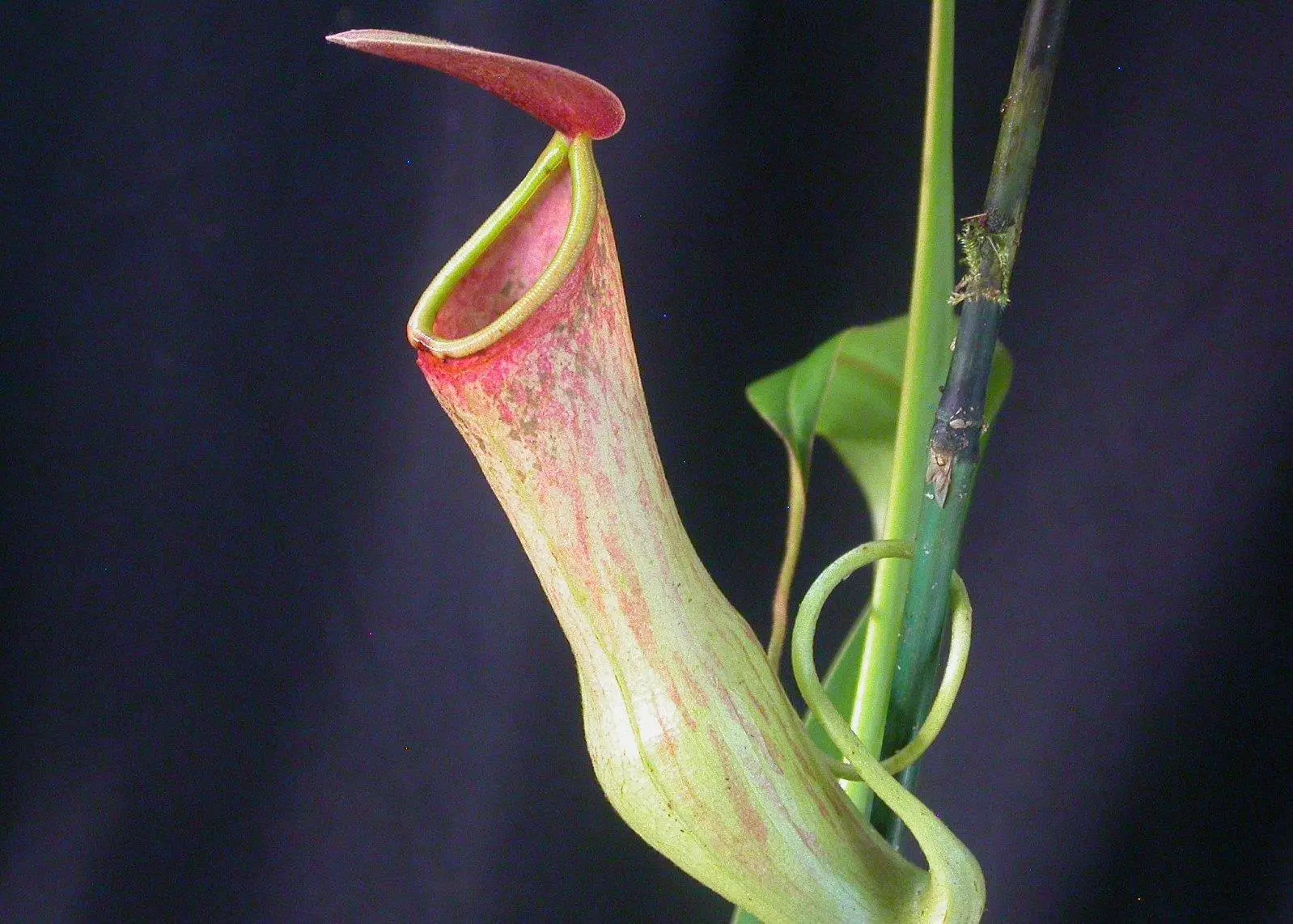
The interior surfaces of the pitcher plant, Nepenthes, which is native to the Malaysian archipelagos, Australia and Madagascar, have the ability to repel liquids creating a near frictionless surface with self-healing properties. These features mean that the plant’s prey, insects or small frogs, once trapped inside, are unable to climb out of the plant’s deep tubular-shaped body. This is done by ‘locking-in’ a lubricant layer onto the surface of its skin which cannot be penetrated by another liquid and is damage tolerant.
Scientists at Harvard University have been able to mimic the pitcher plant’s inner skin design to produce a transparent coating capable of being economically applied to a variety of objects, including ships’ hulls. The multi-stage coating process is said to involve attaching a thin, but rough layer of porous silica particles which are used to lock-in a lubricating layer onto the surface to be protected.
This new development in coating technology reached the finals of this year’s Institution of Chemical Engineers (IChemE) Awards in the UK, which recognises excellence and innovation in the chemical and process industries worldwide.
IChemE’s chief executive, Dr David Brown, said: “Some existing coatings have limitations including contamination and degradation by contaminants, lack of self-healing capabilities and damage tolerance. By mimicking the pitcher plants skin structure, Harvard University’s new coating self-heals almost instantly, even if scraped with a knife or blade. It is capable of operating in extreme temperatures and high pressure.”
Related Articles
 ALTERNATIVE FUELS & LUBRICANTS
 GENERAL NEWS
 GENERAL NEWS