



MEPC79: No change to GHG targets
Speaking after the close of MEPC79, Guy Platten, Secretary General of the International Chamber of Shipping, said: “The shipping industry urgently needs clear market and regulatory signals to reduce the investment risk currently surrounding alternative energy sources and technologies.”
Such hopes were not fulfilled at MEPC79. Member states could not agree on the goal of reaching full decarbonisation by 2050. While the outlook for this looked increasingly positive before the session, some member states were still calling for feasibility studies before agreeing to steeper decarbonisation targets.
Other proposals have called for the IMO to establish green corridors along all the major trade routes by 2035 and to address seafarer training on alternative fuels by 2028.
Discussions on interim targets were also inconclusive. The concept of a levy scheme and how the IMO would approach well-to-wake versus tank-to-wake GHG emissions were discussed.
Discussions will continue during working group meetings in March 2023 and in the week prior to MEPC 80 in July 2023. In his closing remarks at MEPC79, Secretary-General Kitack Lim said: “It cannot be stressed enough how crucial it is that we keep the momentum and deliver an ambitious and fair, revised IMO GHG Strategy at MEPC 80 next year.”
MEPC79 did revise the EEDI calculation guidelines to include a CO2 conversion factor for ethane and clarified that for ships with multiple load line certificates, the maximum certified summer draft should be used when determining the deadweight.
MEPC 79 also discussed applying the shaft and engine power limitation concepts to the EEDI and agreed that, in principle, these concepts should be added in a future revision. Phase 4 revisions were discussed, including the inclusion of methane and nitrous oxides, but no decision was made.
The incorporation of onboard carbon capture into indexes such as the EEDI was discussed, but in part due to time constraints, further discussion was postponed until MEPC80.
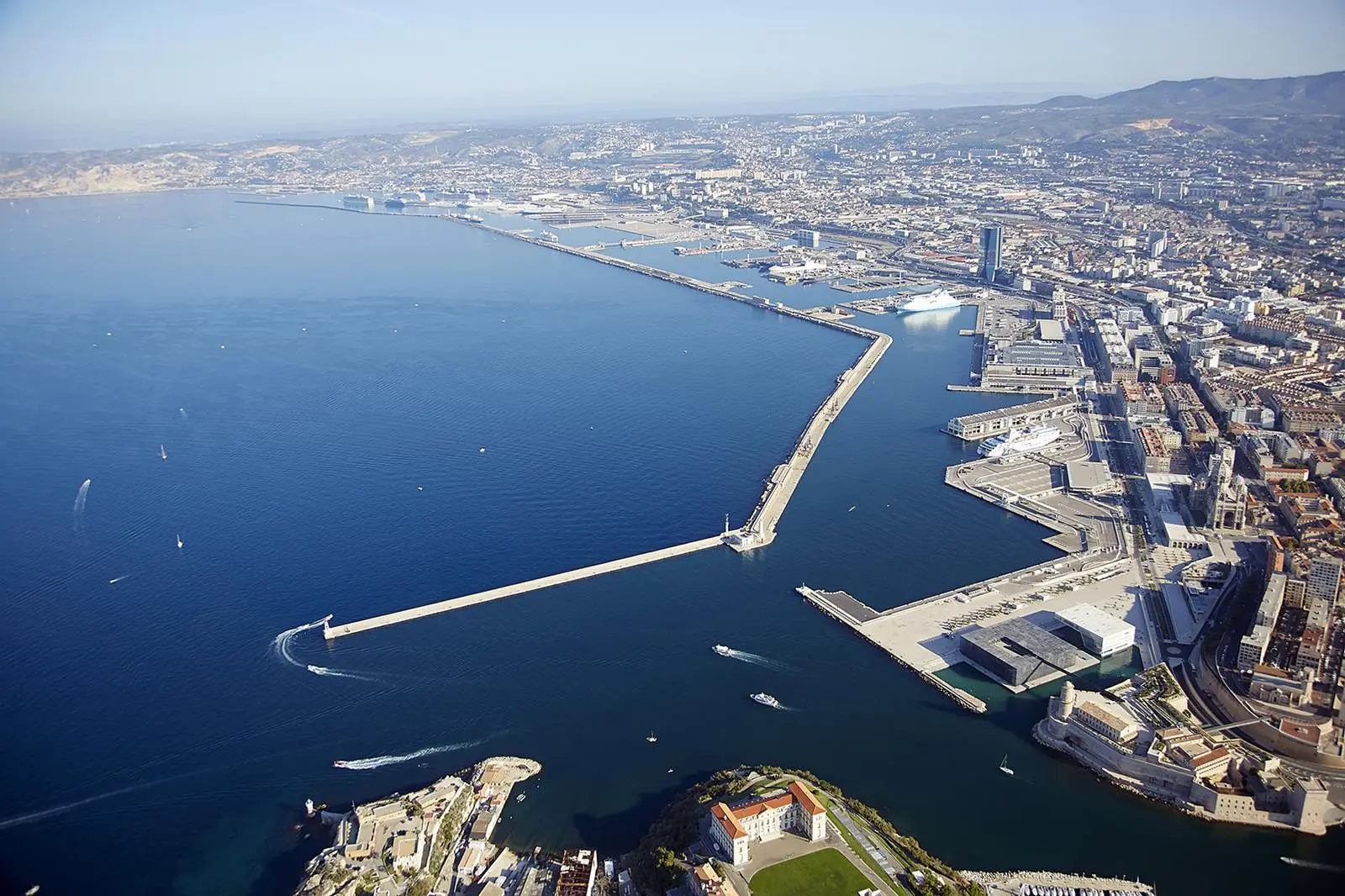
The adoption of the Mediterranean sulphur emission control area (SECA) was confirmed. From 1 May 2025, ships will have to use fuels with a sulphur content not exceeding 0.10% or alternatively use an exhaust gas cleaning system to limit SOx emissions.
Related Articles
 METHANOL
 MONITORING, CONTROL & DIGITALISATION
 MONITORING, CONTROL & DIGITALISATION