



MoU explores floating offshore wind options
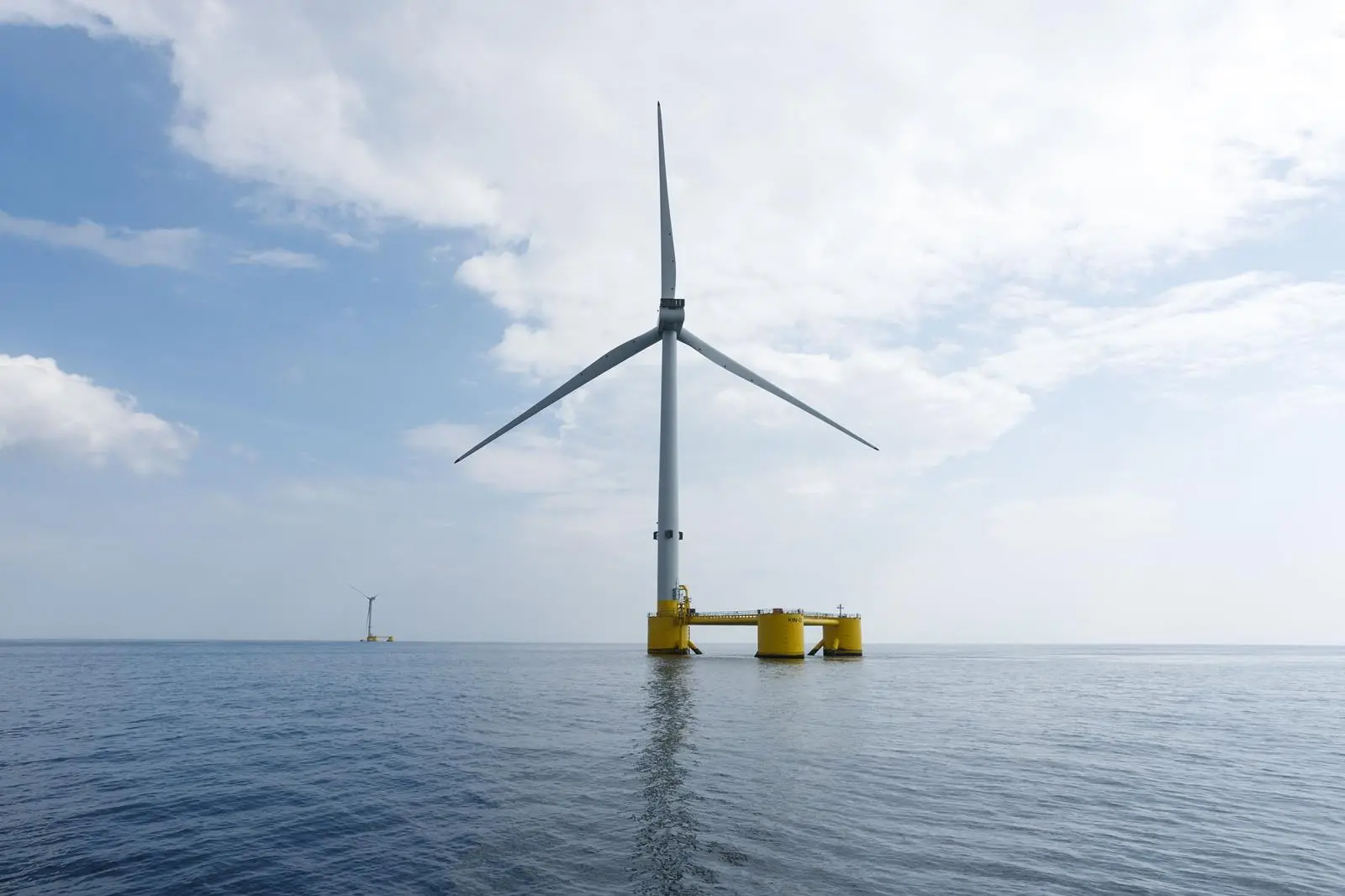
As part of the Ørsted-Acciona memorandum of understanding, the pair will work together to reduce the cost of electricity and environmental footprint associated with the sector, upscale the production of concrete foundations and establish a supply chain to support Ørsted’s European project pipeline for floating wind.
More than 20% of new offshore wind farms are estimated to be floating by the mid-2030s. “This alliance will help us accelerate the development of our business as a supplier of offshore platforms for the wind power industry,” said Huberto Moreno chief executive of Acciona’s construction division.
“The expertise that Ørsted brings to the table, as well as Acciona’s knowledge – as a group – of infrastructure and renewable energy, will be key to the success of this agreement.”
A priority for the agreement will be to explore the use of carbon-neutral bio-cement, bio-concrete, and other materials and solutions that support the companies’ biodiversity and carbon reduction goals.
“With floating wind, we can deliver renewable electricity, energy independence and clear pathways to net-zero to many more markets around the world,” said Gabriel Davies, head of the Floating Wind Programme at Ørsted.
“Working with Acciona will help us take the next step to realise the potential of floating wind at scale here in Europe – to innovate, invest in the supply chain, and bring costs down, all while reducing carbon emissions,” he added.
Related Articles
 ALTERNATIVE FUELS & LUBRICANTS
 GENERAL NEWS
 GENERAL NEWS