



Nanotechnology applied to fuel emulsion to cut NOx and PM
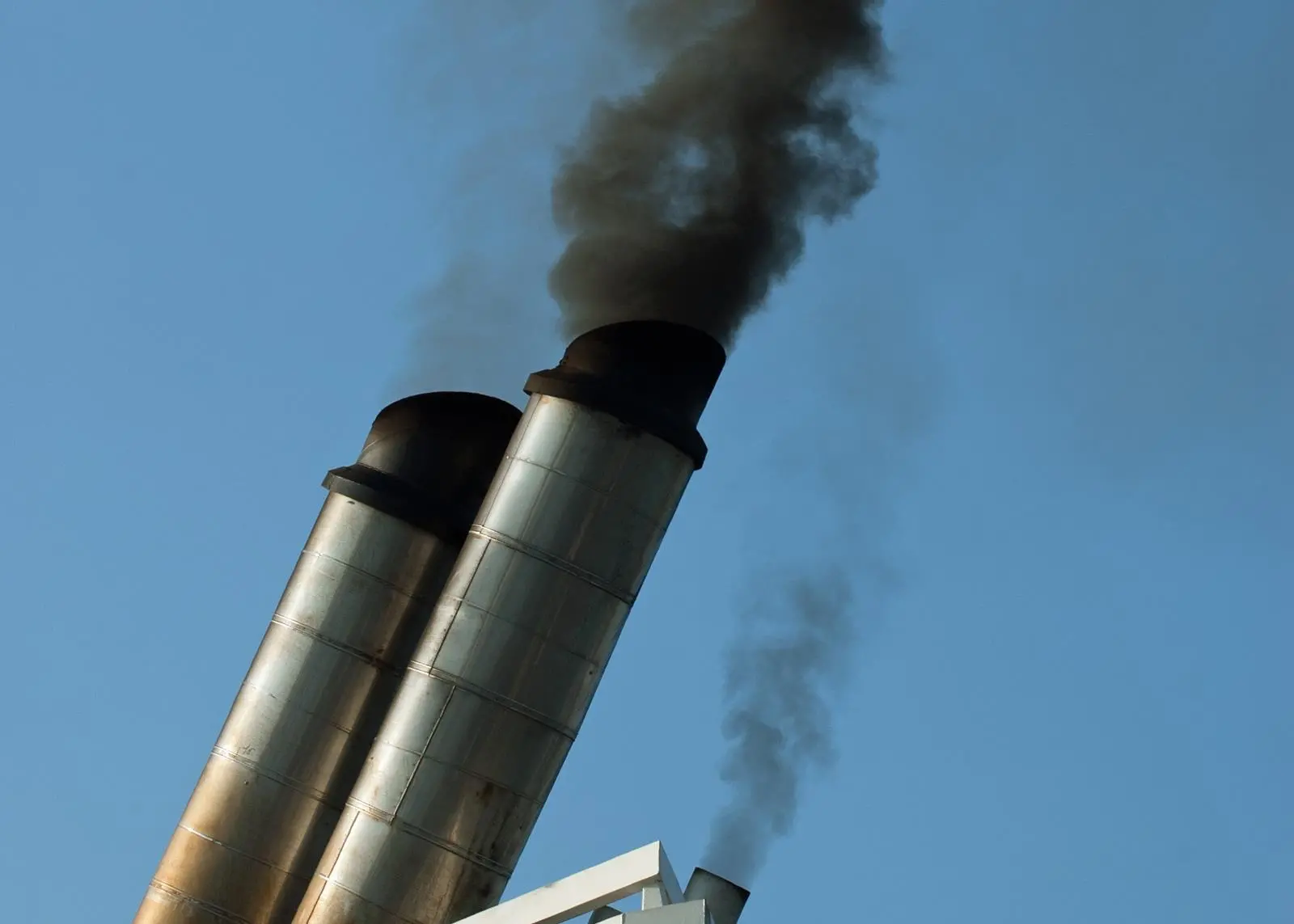
Although the initial development has been carried out on vehicle engines, SulNOx says that it will be particularly targeting the marine sector, because of the comparatively high levels of pollution produced by large ships. The initial press release suggests that the biggest 16 ships afloat produce as much pollution as all the cars in the world put together, because of their size and the type of fuel they burn, which means these ships can emit 5,000 tons of sulphur a year – the equivalent of 50 million cars. It goes on to say that emulsified fuel could potentially cut this, but will require further testing and development. It is not yet clear on exactly how the technology could help reduce sulphur and GHG emissions, but the company told us that nitrogen oxides contribute to the greenhouse effect, and reduction of marine sulphur emissions is something of a ‘holy grail’.
SulNOx says that the use of fuel emulsions is not new technology: “The benefits of adding water to diesel fuel has been known about since the early 1900s, but the problem has been ‘stratification’ of the emulsion and the excessive cost to the consumer,” said SulNOx director Stephen Bamford. “The problem is water and fuel don’t mix. Over a relatively short period of time these two components separate and, as every engineer knows, putting pure water into a combustion engine has catastrophic results.”
The company claims to have overcome this by developing a new mixing process that smashes the fuel together, repeatedly at great speed and under high pressure to alter the mixture at a nano, or quantum level. An additive is then injected into the mix which helps to further stabilise the emulsion, so it can be burnt in the same way as any hydrocarbon based fuel.
According to SulNOx, white diesel, a mixture of fuel and water, cuts NOx emissions and significantly reduces PM by improving atomisation of the fuel and lowering engine temperatures. Breaking down the fuel particles increases their surface area, which helps the fuel to burn more completely and efficiently. More efficient burning reduces the engine temperature, which helps to reduce the formation of nitrogen oxide in the engine which is emitted through the exhaust.
SulNOx says that in order to validate the initial test results, it has commissioned engine consultant Ricardo and is in talks with Cambridge University to carry out an extensive independent testing programme into the new emulsions and their potential benefits.
Mr Bamford continued: “The challenge facing every country and company is how to reduce their emissions of toxic gases and particulate matter, while still remaining competitive. Now science and in particular the application of nanotechnology has provided us with an answer. By altering the size of the fuel particles being burnt at a nano-level we can dramatically improve the efficiency of the combustion engine by using a stable emulsion and without the need for costly modifications.”
We are currently talking to the company with regard to witnessing a demonstration of the fuel emulsion in action, and finding out more about its application to large two-stroke and four-stroke marine engines, particularly those burning heavy fuel oil and the possible implications on factors such as cylinder lubrication.
Related Articles
 ALTERNATIVE FUELS & LUBRICANTS
 GENERAL NEWS
 GENERAL NEWS