



New class rules for floating offshore wind
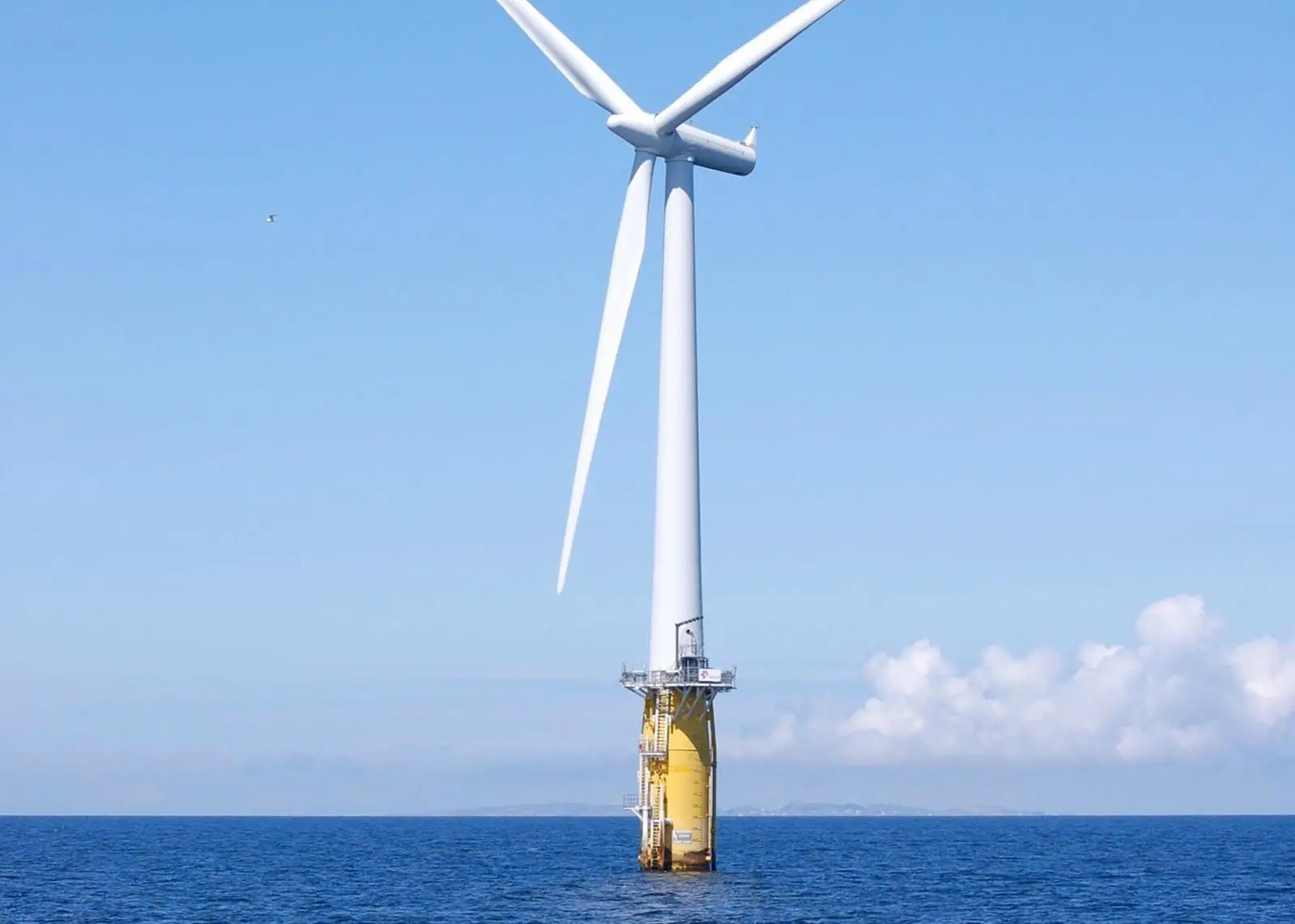
The class rules provide both new entrants and experienced stakeholders a set of well-tested rules and standardised processes for these new structures.
“Floating offshore wind is poised to be one of the key technologies that can help build the renewable energy power base that underpins global decarbonization,” said Knut Ørbeck-Nilssen, CEO of DNV GL – Maritime. “By bringing many new players into the sector, floating offshore wind can create a massive space of opportunity for yards, vessel operators, and offshore companies. Unleashing this industry will require businesses from many different sectors and new types of standards to enhance cross sector cooperation. Our new rules build from this foundation – bringing together offshore, energy, maritime and digital expertise to form a truly integrated rule set.”
The DNVGL-RU-OU-0512 class rules for floating wind turbine installations apply standardised well-proven maritime processes and apply them to floating wind. Owners, designers and manufacturers can benefit from a familiar framework, so that new processes can be seamlessly integrated into their existing production structures.
The rules are flexible enough to cover all potential hull shapes, including barge, semi-submersible, vertical floating columns (Spar) and tension-leg platform. The basic classification scope covers the floating structure, including mooring systems, with an additional voluntary class notation covering the power generation system, including the tower. The rules are also designed to scale – considering not just the individual units but the entire field with data-based services and condition-based monitoring (CBM) and through linking with fatigue methodology sensor data.
Related Articles
 ALTERNATIVE FUELS & LUBRICANTS
 GENERAL NEWS
 GENERAL NEWS