



New Cylinder Deactivation Control Strategy Shown to Reduce Vehicle NOx Emissions
Tula’s Dynamic Skip Fire (DSF) is an advanced cylinder deactivation control strategy that allows the deactivation of any number of cylinders dynamically. Cylinder deactivation reduces excess engine airflow, thus increasing exhaust temperatures which allows for more efficient conversion of pollutants in the catalyst. The software makes decisions for an engine’s cylinders on an individual basis to best meet torque demands while saving fuel and maintaining performance.
Tula’s DSF software pairs unique digital signal processing algorithms with sophisticated powertrain controls and has been shown to significantly reduce CO2 emissions in gasoline engines. It has been in production since 2018 with more than one million vehicles on the road.
dDSF is the Dynamic Skip Fire application for diesel engines. Tula says that dDSF enables smoother transitions for reduced noise and vibration and also distributes the firing of cylinders uniformly to reduce uneven engine wear.
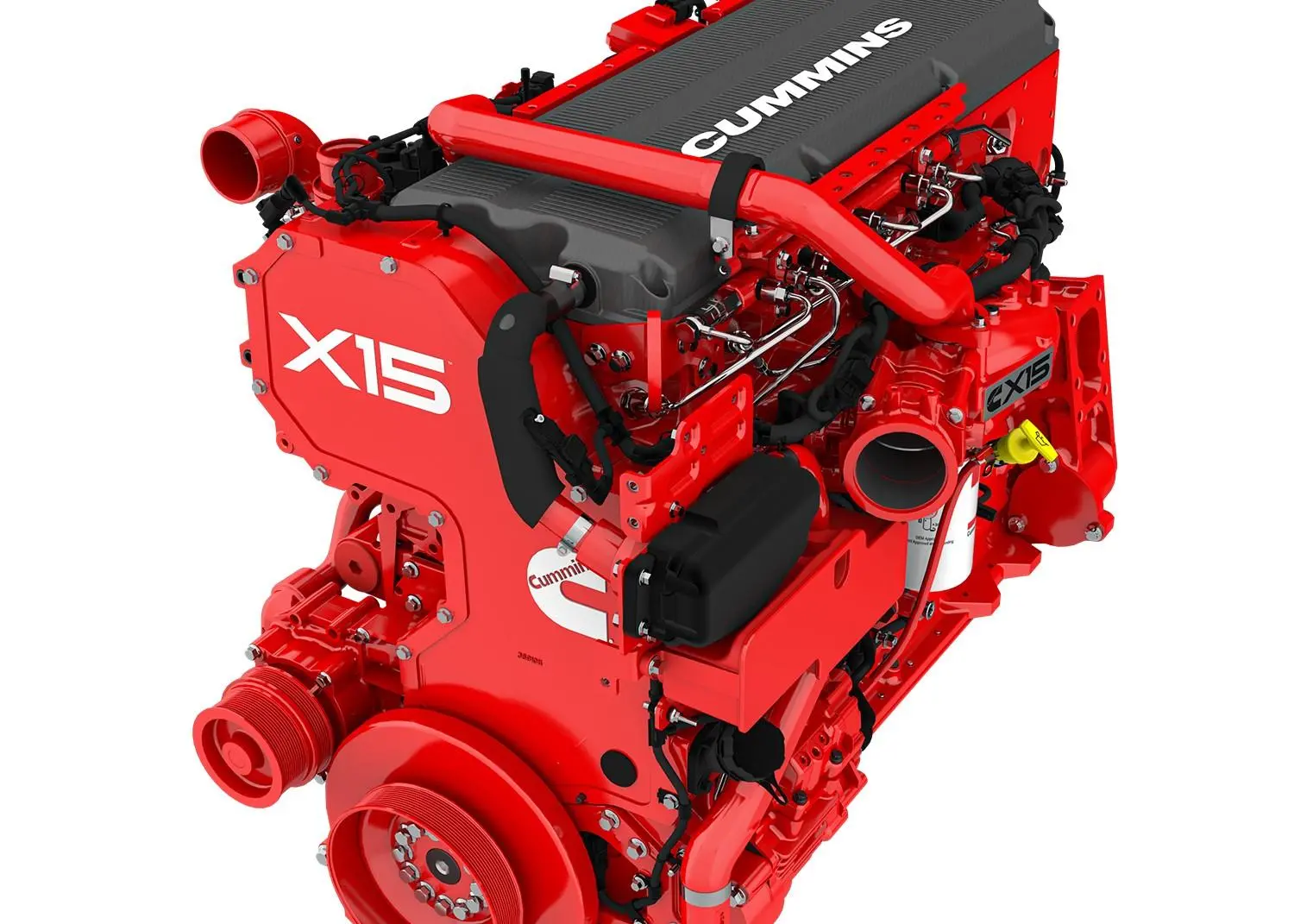
dDSF’s low-load cycle performance was estimated with a well-calibrated powertrain simulation tool to accurately capture the low-load system operation and emissions. Cummins and Tula then demonstrated dDSF performance in a Class 8 truck.
Most existing techniques to increase aftertreatment temperatures at low loads incur a fuel consumption penalty, which increases greenhouse gas emissions. However, the study showed that dDSF reduces both NOx and CO2 simultaneously. Compared to current engine technologies and modifications to thermal management techniques, dDSF saved 20% in fuel.
Lisa Farrell, Director, Accelerated Technology Center for Cummins, said Tula’s dDSF technology provides significant benefits by reducing NOx and CO2 emissions under low-load vehicle operation, which will aid the company’s efforts to produce more reliable, more powerful engines while meeting its environmental goals. Cummins doesn’t plan to begin production with the technology in the near term, and while the results are encouraging, the company is yet to look at how it might be applied in other applications such as marine.
Tula provides software controls to optimise propulsion efficiency and emissions across the mobility spectrum, including gasoline-powered, diesel, alternative fuel, hybrid and electric vehicles. The company says its DSF control strategies can be applied to engines designed to use alternative fuels, and the company is readying a similar concept to improve the efficiency of traction motors in electric vehicles. Dynamic Motor Drive (DMD) applies Tula’s pulse density controls approach to electric motors and inverters, improving low-load efficiency by up to 9%. The company says the software allow synchronous reluctance motors to operate at efficiencies close to permanent magnet motors at about half the cost.
Related Articles
 ALTERNATIVE FUELS & LUBRICANTS
 GENERAL NEWS
 GENERAL NEWS