



“No excuse for inaction” on BWM Convention
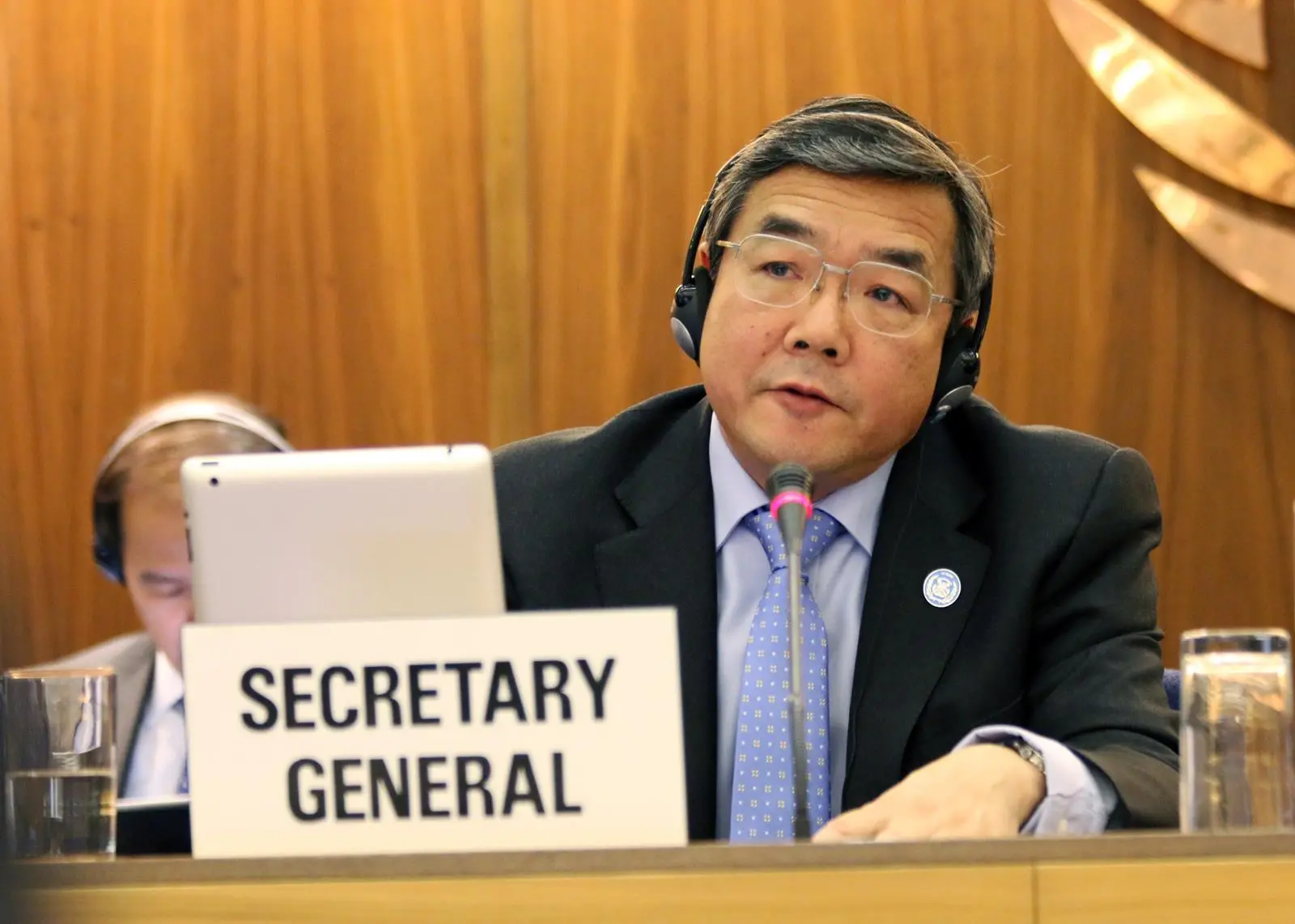
Opening the 68th meeting of the Marine Environment Protection Committee, Sekimizu said: “The delay of a national type-approval process of a specific country should neither be a good reason to suspend the entry into force of the BWM Convention nor an excuse for inaction in the industry.”
The message refers to the fears of several industry stakeholders that IMO type-approved systems may not meet a more stringent type approval from the US Coast Guard, which has yet to approve any system. [The Motorship can reveal that the USCG has received three applications for approval and 17 letters of intent to apply to date]. But Sekimuzu said that global implementation of the BWM Convention should be pursued rigorously with the IMO type-approved systems meeting present D-2 standards (on water discharge quality) and G8 guidelines (on technical specifications and procedures for approval and certification).
“Present systems would surely be effective in significantly reducing the risk of invasive species and we should implement with the current available systems globally,” he added. “Pursuing perfection for performance of the system from the very beginning is the enemy for the global implementation of the BWM Convention.”
Referring to the review of the G8 guidelines under consideration by the MEPC this week, Sekimuzu reminded delegates of last year’s resolution that adopters of systems approved under the existing guidelines should not be penalised – a cause illustrated by a submission from the International Chamber of Shipping and several other organisations. The secretary general welcomed the paper as part of discussions to ensure fair treatment for users of existing systems.
“I expect detailed discussions will continue at this session, [which] will seriously reduce the initial burdens of compliance for shipowners and supports the so-called ‘early movers’ in their proactive efforts to install and operate ballast water treatment systems… We must strengthen and rigorously apply this principle,” said Sekimuzu.
The “disappointingly slow” pace of ratification was also highlighted, with just two countries ratifying the convention since the MEPC met last year. However Sekimuzu noted that several countries are making progress with their national ratification process, raising the prospect of the 35% threshold being met in the near future.
As reported, the BWM Convention is just one element of a busy agenda for MEPC 68 this week, with other items including the adoption of Part II of the Polar Code and discussions towards a study on the availability of low-sulphur fuel.
Related Articles
 METHANOL
 MONITORING, CONTROL & DIGITALISATION
 MONITORING, CONTROL & DIGITALISATION