



Ocean data to help improve ship efficiency
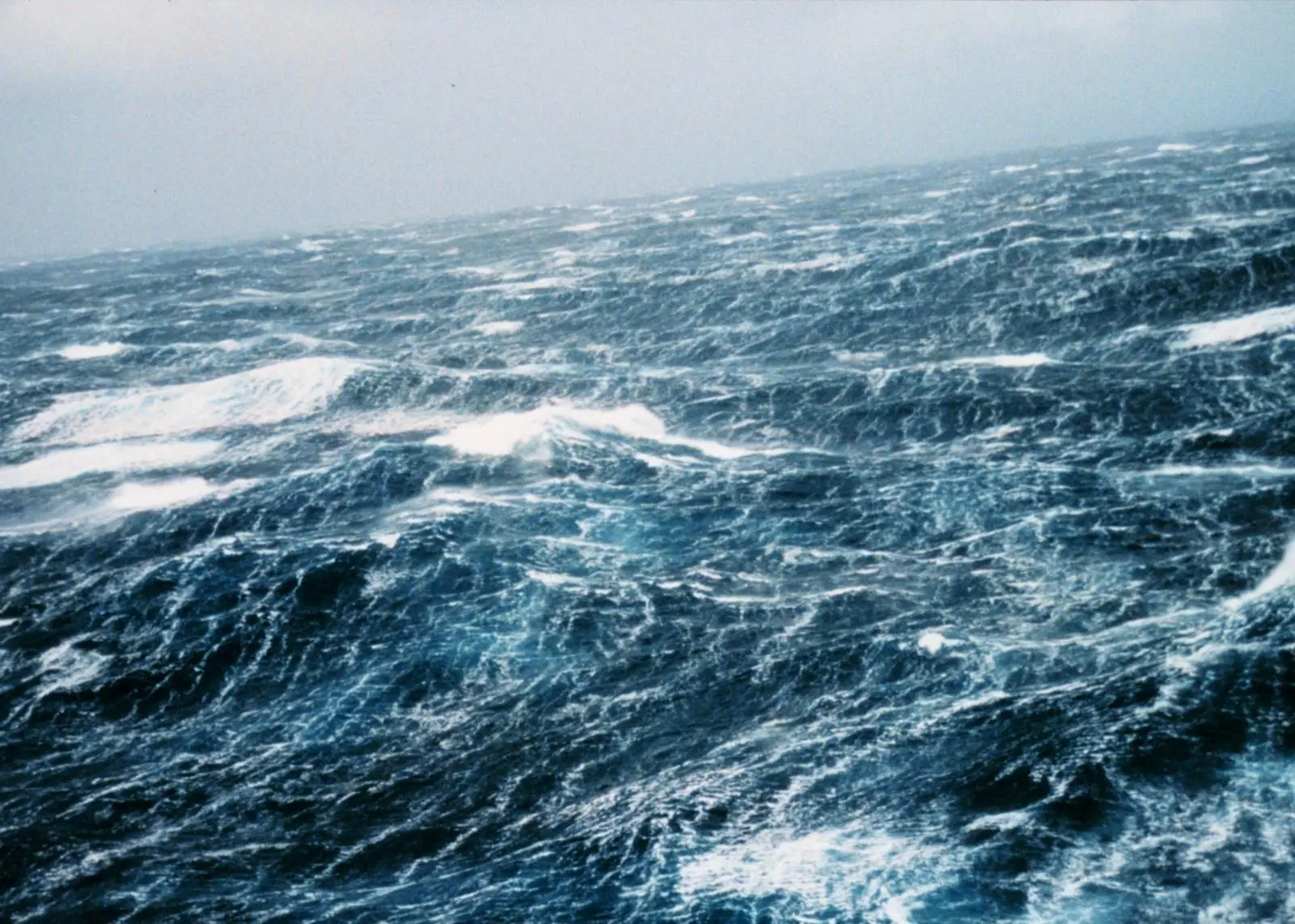
The team behind the project has won initial funding from the UK Natural Environmental Research Council and is now looking to establish dialogue with potential users of sea circulation data with a view towards obtaining the next stage of funding and taking the project forward.
The aim of the project, according to PBS, is to improve a ship’s energy efficiency by using NERC sea circulation data sets. The intention is to use a state-of-art sub-sea technology model to examine how unexpected changes in sea circulation can impact upon the consumption of fuel by ocean-going vessels. The approach is based upon developing a multivariate and multi-data assimilation method based on optimal interpolation from the GODAE/Mercator-Ocean global ocean forecasting system to forecast (up to 14 days in advance) dramatic changes in sea circulation. This system, says the project team, would not only offer shipping companies the opportunity to improve their competitive advantage by enhancing fuel efficiency and thus reducing their operational costs, but also potentially contribute to a reduced carbon footprint from the marine transport sector.
The research hopes to build a mutually beneficial bridge between the academic community and the maritime industry. In particular, the project seeks to create economic, societal/environmental and policy related impacts. Potential end users of our project are software companies which provide modern environmentally friendly technological software solutions for vessels, the National Oceanographic Centre, the Meteorological Office, Shipping companies, and the Maritime Industry in general.
Related Articles
 ALTERNATIVE FUELS & LUBRICANTS
 GENERAL NEWS
 GENERAL NEWS