



Optimarin BWT system for IMR vessel
The system, which uses filtration and high doses of UV irradiation to inactivate organisms, is said to be environmentally friendly and carry full IMO approval, US Coast Guard AMS acceptance and certification through DNV GL, BV, RMRS and CCS.
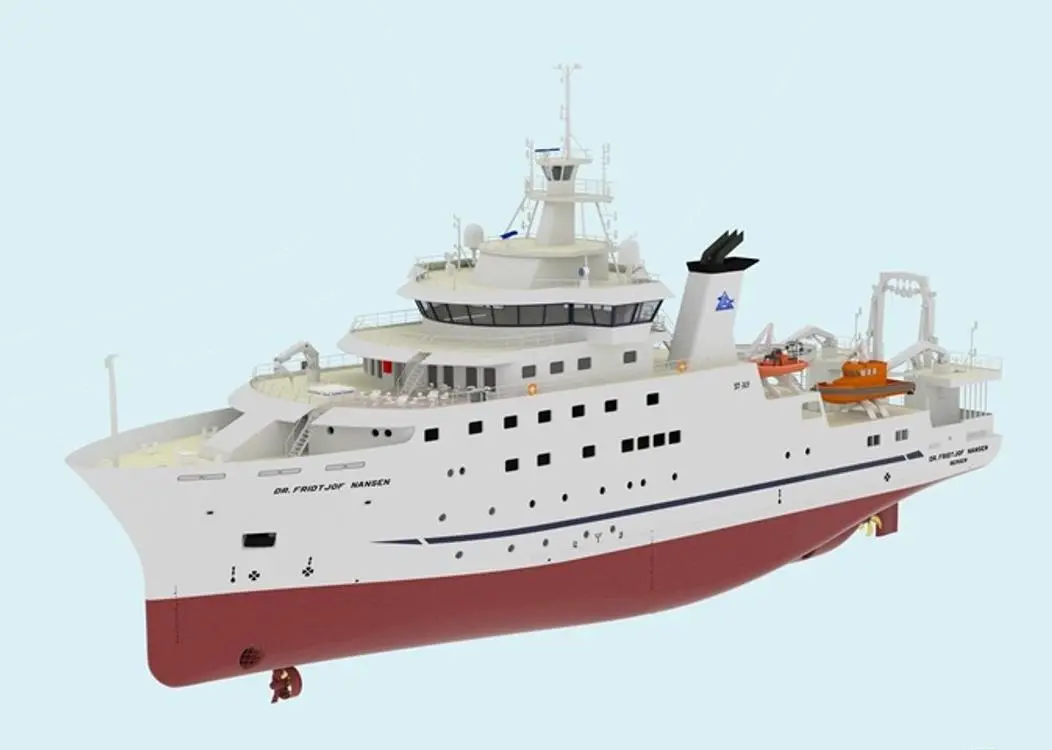
Currently installed on 180 vessels worldwide, it will ensure Dr Fridtjof Nansen inactivates any marine organisms transported in its ballast tanks, safeguarding the ecosystems examined on its high-profile scientific assignments.
The new 74.5m research vessel is a ST-369 design currently under construction at the Astilleros Gondan shipyard in Spain. Upon completion in 2016, it will begin assignments in developing countries in Africa, Asia and Latin America, assisting in the sustainable management of natural resources.
“The Dr Fridtjof Nansen will be an important vessel with a crucial mission. It was essential that we selected a proven BWT solution with a track record of reliability, efficiency and the successful elimination of all potentially invasive marine organisms,” said Ceferino Ron, factory director, Astilleros Gondan shipyard, which is building the vessel.
“IMR fully understands the threat that the estimated 10 billion tonnes of untreated ballast water transported annually poses to marine biodiversity, with some 7,000 species carried every day in ballast water tanks. Sustainability, environmental stewardship and responsible operations are essential to their mission, and our BWT solution will go some way to helping them achieve their goals,” added Tore Andersen, CEO, Optimarin.
Related Articles
 ALTERNATIVE FUELS & LUBRICANTS
 GENERAL NEWS
 GENERAL NEWS