



Oslo considers extending shore power
The ferry project, initiated in 2010, has reduced port emissions by 9% in that time by allowing the ferries to turn off their main engines at port. The Color Line ferries receive 50Hz of electricity from the quay, after s €1.635 million renovation to provide shore power connections. Total project cost for the initiative, excluding electricity, was €2.2 million – with Oslo Port Authority contributing €220,000.
The port authority noted that the greater demands of cruise ships would mean that the project under consideration would require much bigger investment. An onshore power station, occupying 300m2 of port land across two floors, will be needed to convert the 50Hz supply to the 60Hz required by cruise ships. For a facility capable of supplying two vessels at once, landside investment alone would amount to a minimum of €12 million, the port authority has calculated.
Discussing the difficulties facing ports in investing in shore power, the authority noted that cruise companies change schedules on an annual basis and are rarely willing to make long-term commitments to a single port. The cruise operators also argue that shore power facilities must be provided at port before they consider investing in conversions. But the lack of guarantees means that most ports are hesitant to invest.
In Europe, only Hamburg currently offers shore power to cruise ships. The project there was financed by the city of Hamburg and the European Union – rather than the port itself – after political pressure to go ahead with the initiative.
The situation is different in the US, where states insist that ports provide shore power facilities to cruise ships. The supply frequency there, at the 60Hz that cruise ships require, means that no onshore power stations are needed.Oslo’s consideration of shore power follows its participation in an environmental audit initiated by the city of Oslo last year.
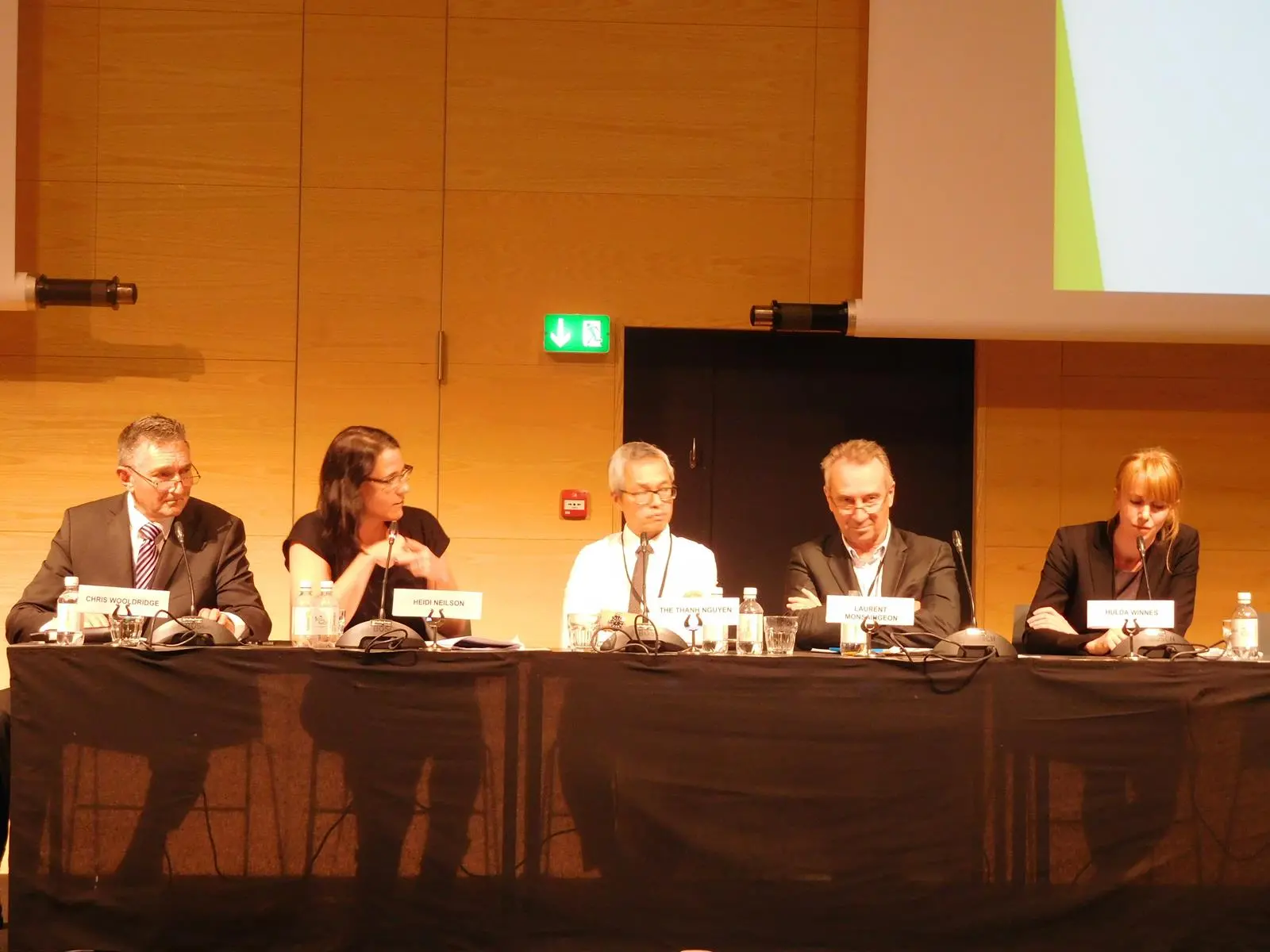
Revealing the results of the study at last month’s GreenPort Congress, Port of Oslo head of environment Heidi Neilson told delegates that cruise ships account for 22% of NOx emissions from the port. They are also highly concentrated, with peak season running from May to September. International ferries account for 35% of emissions, national ferries for 10% and containerships for 8%.
Related Articles
 ALTERNATIVE FUELS & LUBRICANTS
 GENERAL NEWS
 GENERAL NEWS