



Pod drive demo boat books Seawork call
EPA Tier 3, which takes effect from 1 January 2014, involves a 40% reduction in particulate matter in the exhaust gases and a 20% reduction in NOx and hydrocarbon emissions. The power ratings for the engine, which is available for marine applications in either propulsion or genset applications, are said to be unchanged, while the company says that the Tier 3 compliance has been achieved with only a minimal increase to the already-low fuel consumption.
The six-cylinder D13 is used to power Volvo Penta’s IPS900, an integrated podded propulsion and steering unit for small commercial vessels. This is now available in a Rating 3 version, widening its application to include coast guard and patrol, supply vessels, offshore energy and passenger transport craft. This, according to the company, means that a larger number of commercial boats can take advantage of the IPS benefits of improved fuel economy, better manoeuvrability and lower overall operating costs.
Among the improvements to the IPS unit are new gear materials and reinforced housing. This allows extended oil change intervals and longer periods between propeller seal replacement, leading to lower maintenance costs.
Volvo Penta claims that the IPS allows the customer to purchase the complete drivetrain from one single supplier, who takes responsibility for everything from helm to propeller, thought to be unique in the industry.
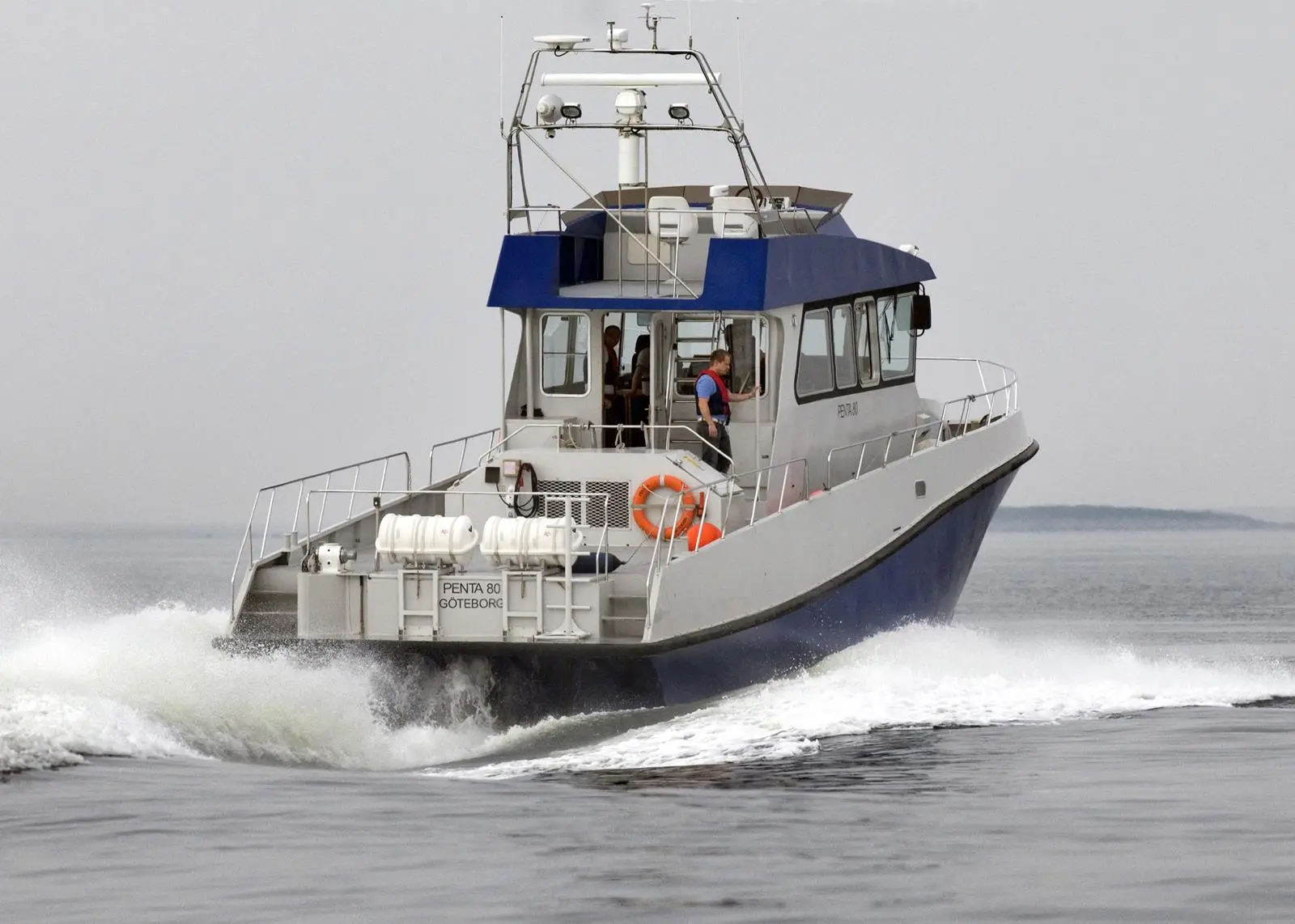
To demonstrate the IPS900, Volvo Penta is taking a 22m test boat from Gothenburg to various ports on either side of the English Channel, including a visit to Mercator Media’s Seawork exhibition in Southampton. The PTA80 test boat is powered by twin IPS900 units of 700bhp each, making the 36t displacement craft capable of a 27 knot maximum speed.
The company says that in addition to compliance with IMO NOx, EU IWW, EPA Tier 2 and the upcoming EPA Tier 3 limits, IPS enables up to a 30% reduction in fuel consumption compared with straight shafts and water jet propulsion – thereby reducing CO2 emissions.
Related Articles
 PROPULSION
 GENERAL NEWS
 GENERAL NEWS