



Port of Aberdeen eyes decarbonisation opportunities
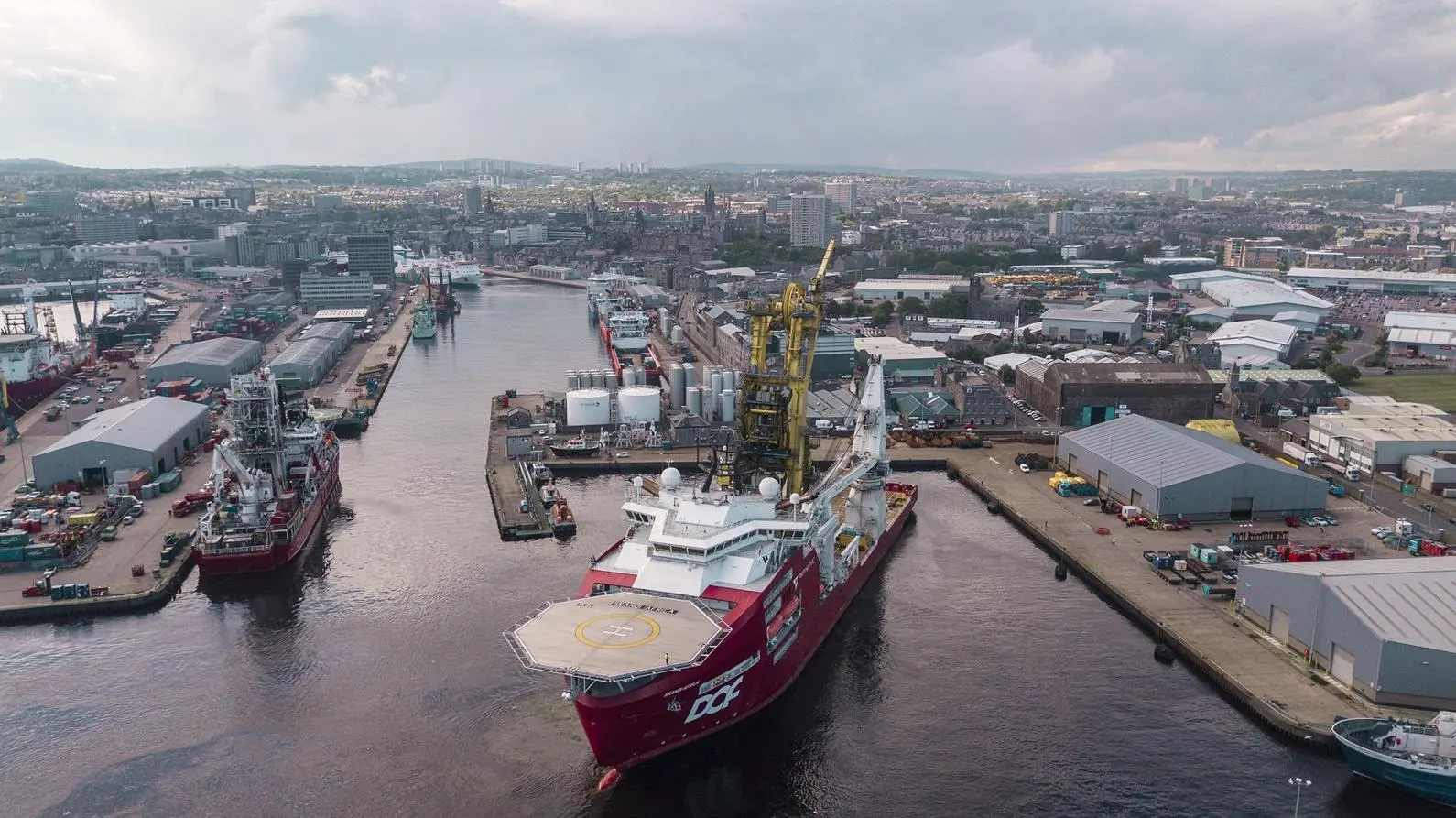
The funding for the ‘Port Zero’ feasibility study will analyse future port power demands, assess low carbon energy sources for equipment and quayside infrastructure and help develop a roadmap to decarbonise port operations.
“Port of Aberdeen is at the heart of the energy transition and international trade,” said Bob Sanguinetti, chief executive, Port of Aberdeen.
“We want to accelerate the transition to Net Zero through the development and introduction of innovative technology and processes which reduce emissions for the port, its users and supply chain. The funding for our ‘Port Zero’ project will help make this a reality.”
Decarbonisation study
The study, which is part of the Clean Maritime Demonstration Competition Round 2 (CMDC2) being delivered in partnership with Energy Systems Catapult, Connected Places Catapult and Buro Happold, aligns with the emissions reductions goals published in the Department for Transport’s Clean Maritime Plan.
Port of Aberdeen is also partnering on the CMDC2 ‘Green Shipping Corridors’ feasibility study led by ACUA Ocean, which has designed a zero-emissions vessel powered by liquid-hydrogen, capable of open ocean transits and transportation of a 4.5ton payload.
The shipping study will develop a detailed project plan for the world’s first hydrogen-powered zero-emission crossing demonstration from Port of Aberdeen to Norway in 2024, which is an economically important potential green shipping corridor route.
Project partners also aim to develop a ‘Ports and Regional Strategic Advisory Group’ to address the cross-sector challenges of decarbonisation. The group will agree priorities, develop a solution roadmap that delivers optimum lifecycle emissions reductions and work to address policy gaps that impact the implementation of broader regional decarbonisation initiatives.
CMDC2 was launched in May 2022, funded by the Department for Transport and delivered in partnership with Innovate UK. As part of the CMDC2, the Department allocated over £14m to 31 projects supported by 121 organisations from across the UK to deliver feasibility studies and collaborative R&D projects in clean maritime solutions.
Related Articles
 ALTERNATIVE FUELS & LUBRICANTS
 GENERAL NEWS
 GENERAL NEWS