



Practical steps towards MEPC83 compliance
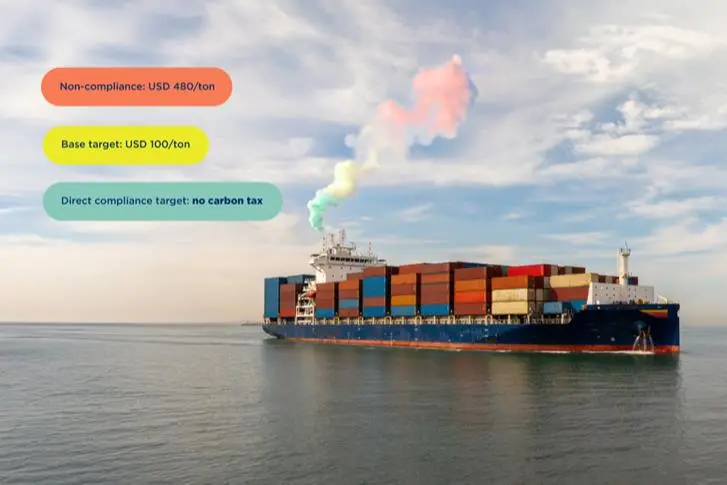
At the IMO’s 83rd Marine Environment Protection Committee (MEPC83) session, the organisation approved the Net-Zero Framework, setting new shipping regulation standards.
From 1 January 2028, all ships above 5,000 GT must report their greenhouse Gas Fuel Intensity (GFI). Vessels that fail to meet reduction targets will face financial penalties, making it essential for shipowners to understand both the technical and economic implications.
Energy efficiency
DESMI said it is supporting shipowners by focusing on energy efficiency as the most direct route to compliance.
Under the new framework, emission reports will be compared with 2008 baselines and even vessels that meet the base target could incur significant costs.
DESMI said that by lowering onboard energy demand, ships can reduce both emissions and compliance-related expenses.
It advises operators to examine how auxiliary systems, such as pumps, compressors and fans are controlled. Operating these systems according to real-time requirements rather than fixed design conditions can yield large efficiency gains.
Even minor improvements in energy efficiency can have a major financial impact, reducing fuel consumption and lowering overall operating costs.
DESMI’s OptiSave technology adjusts pump and fan operations to meet real-time demands. This system reduces unnecessary energy consumption, significantly lowering fuel use and operational costs, without major vessel modifications.
As the MEPC83 requirements move toward adoption in October 2025, DESMI said it will continue to engage with shipowners, providing guidance on energy optimisation strategies that not only support compliance but also contribute to more sustainable and efficient shipping operations.
Related Articles
 EMISSIONS REDUCTION TECHNOLOGY
 EMISSIONS REDUCTION TECHNOLOGY
 EMISSIONS REDUCTION TECHNOLOGY