



Premium hull coating starts generating cash for owners
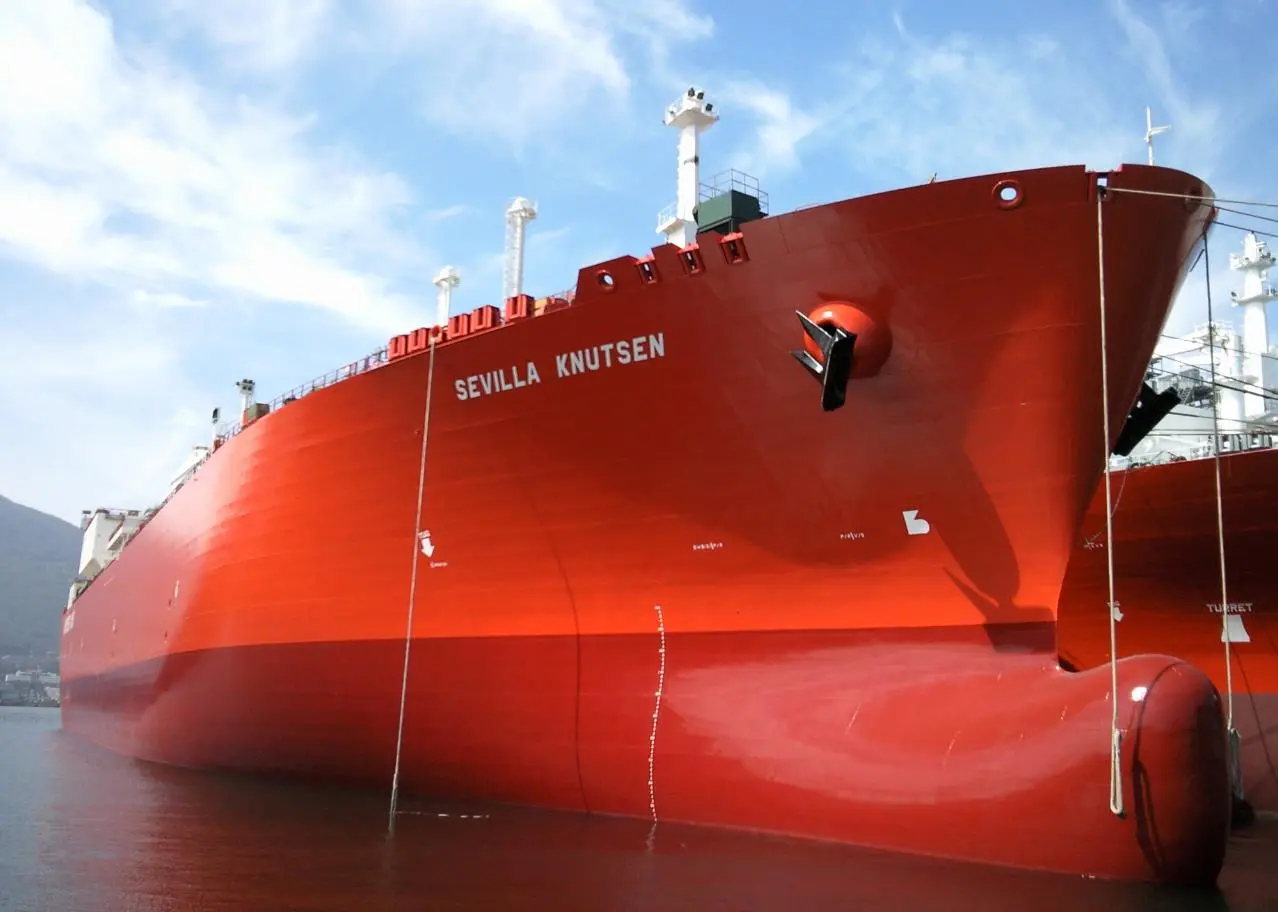
The scheme was developed by International’s parent group AkzoNobel and The Gold Standard Foundation, and the claims are due to be finalised in 2015. It allows ships to generate income in the form of carbon credits, which are earned by reducing CO2 emissions. A total of 17 vessels feature in the first two claims, while according to International, 50 further vessels are expected to join the scheme by the end of the year.
The methodology is based on ship owners converting existing vessels from a biocidal antifouling system to a biocide-free coating such as International’s Intersleek.
Based on the 100 eligible ships already converted from a biocidal antifouling to Intersleek technology, there is an estimated US$2.8 million worth of carbon credits potentially available to ship owners and operators.
As well as being able to sell the carbon credits, the scheme offers ship owners the option of passing them on to other stakeholders, such as cargo owners, to offset their emissions. They can alternatively be used to voluntarily offset other sources of CO2 emissions.
“With ship owners and operators under increasing pressure to drive efficiencies and improve sustainability,the ability of carbon credits to turn energy efficiency into bottom line benefits is a timely and significant step forward,” said Trevor Solomon, Intersleek Business Manager, AkzoNobel Marine Coatings business. “Almost 90% of the shipping industry considers it important to measure emissions using a standard methodology, which makes carbon credits particularly advantageous for senior management teams who require evidence of a tangible return before investing in a clean technology such as advanced hull coatings.
Mr Solomon continued: “This is possible through our partnership with The Gold Standard Foundation, which validates carbon credits based on vessel data that is collected, analysed and for Intersleek, administered by AkzoNobel. As an additional step to ensure rigor and transparency, the fuel savings that are generated are also verified by independent UN accredited auditors”
Launched in April 2014, the scheme is said to be the first peer-reviewed and independently validated methodology that allows ships to generate carbon credits for the CO2 emission reductions they achieve.
AkzoNobel says it spent more than two years developing the carbon credits methodology as part of its research into making eco-efficiency technologies more accessible for the wider shipping industry. Since the official launch of the methodology in April 2014, many ship owners and operators around the world are said to have expressed interest.
Related Articles
 ALTERNATIVE FUELS & LUBRICANTS
 GENERAL NEWS
 GENERAL NEWS