



Progressing new standards for offshore floating wind
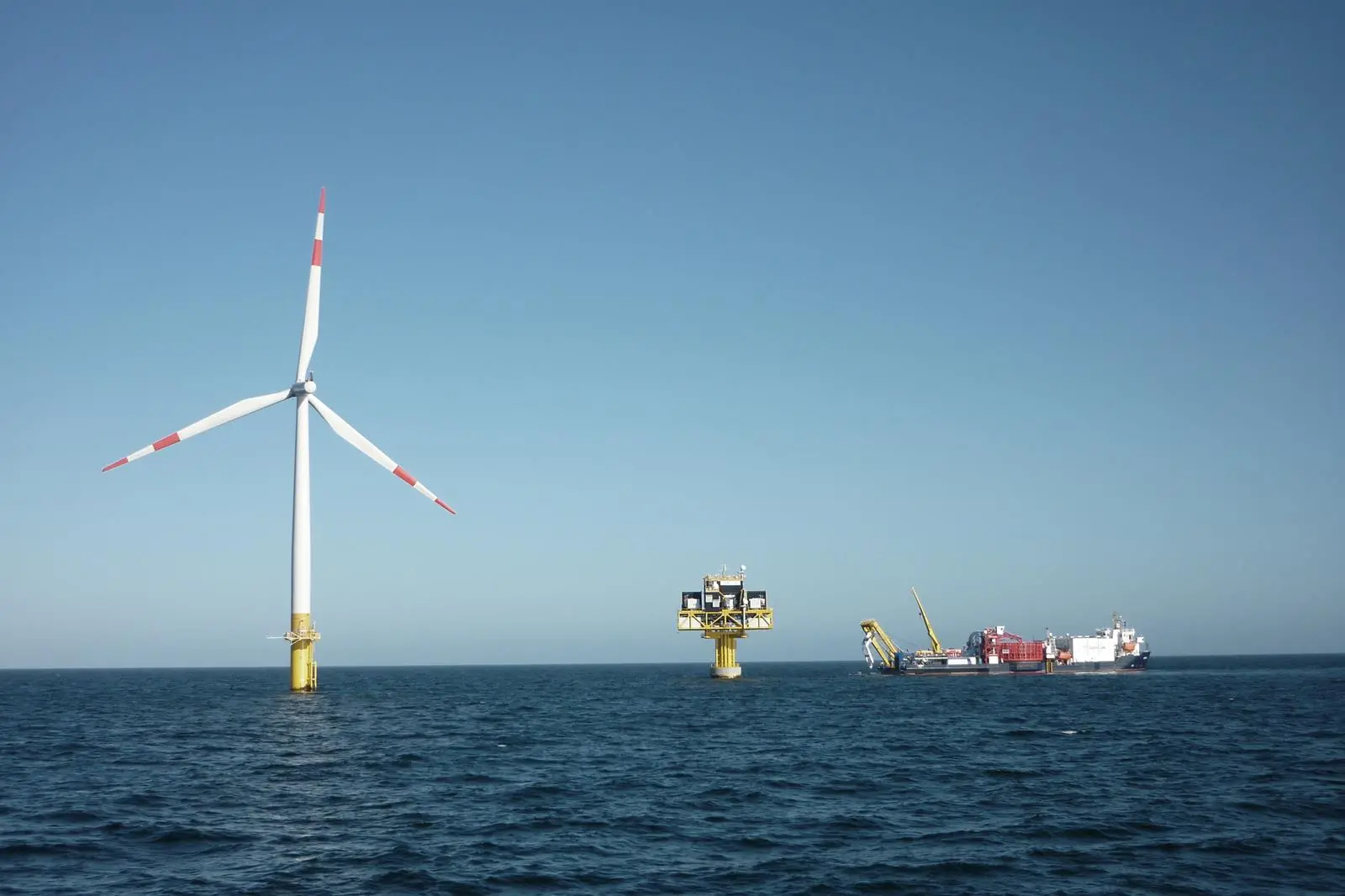
The JIP’s Phase 1 primary outcomes include affirming the feasibility of floating offshore substations (FOSS) and export cables, identifying technology gaps requiring attention and highlighting the maturity of AC solutions compared to DC.
“The JIP contributed to a joint understanding of the challenges in floating offshore substations, which are key components for the evolving renewable energy landscape”, said Kristin Berg, JIP project manager and senior principal consultant, Energy Systems at DNV.
“Collaboration among industry experts is always instrumental in technology and standards development, and this will ultimately be beneficial for the whole renewables sector, as we facilitate the scaling of floating offshore wind projects.”
Feasibility analysis
During its first phase, the project also carried out a feasibility analysis for generic floater types and dynamic export cable concepts.
Emphasising a robust design process for optimised integrated floating substations, DNV plans to incorporate the JIP’s findings in the next update of DNV-ST-0145 for floating substations and of DNV-ST-0359 for dynamic cables, both scheduled for 2024.
Floating offshore wind capacity is projected to exceed 260 GW by 2050, as per DNV’s 2023 Energy Transition Outlook (ETO) research. Offshore substations play a crucial role in the scaling of floating offshore wind, serving as hubs to connect multiple wind turbines and transmit renewable energy to markets.
But designing and implementing these substations present distinct challenges, including the need for high-voltage dynamic cables and electrical equipment that can withstand the movements of floating structures. With a focus on closing gaps in existing technology and standards applicable to floating substations, the JIP will help the wind industry meet its potential and contribute to the ongoing evolution of the global energy system.
So far, the JIP effort has brought together 38 participating companies (including transmission operators, developers, component suppliers, engineering, procurement, construction and installation contractors and yards) to tackle the distinctive challenges associated with floating offshore substations.
DNV is now initiating Phase 2 of this JIP where Phase 1 participants and new participants will be invited to join. Phase 2 will build on Phase 1 deliverables and input received from the contributors.
For more information about DNV’s joint industry project and its contributions to the development of offshore substation standards, download the project summary report on DNV’s website.
Related Articles
 ALTERNATIVE FUELS & LUBRICANTS
 GENERAL NEWS
 GENERAL NEWS