



Project Aims to Get the Measure of Methane Escape
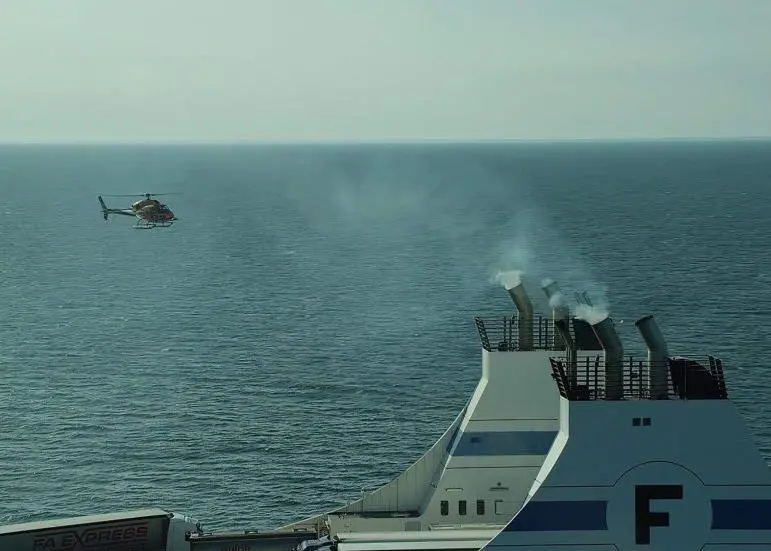
Data will be obtained under actual and varied operating conditions, encompassing not only methane slip from ships’ machinery, but also fugitive emissions from fuel tanks and cargo tanks.
The initiative is led by the Washington-based International Council on Clean Transportation (ICCT), partnered by the Danish technology company Explicit and the Netherlands Organization for Applied Scientific Research (TNO). Entitled ‘Fugitive Methane Emissions from Ships’ (FUMES), the project will build what is promised as the industry’s most comprehensive dataset so far by way of four main spheres of investigation.
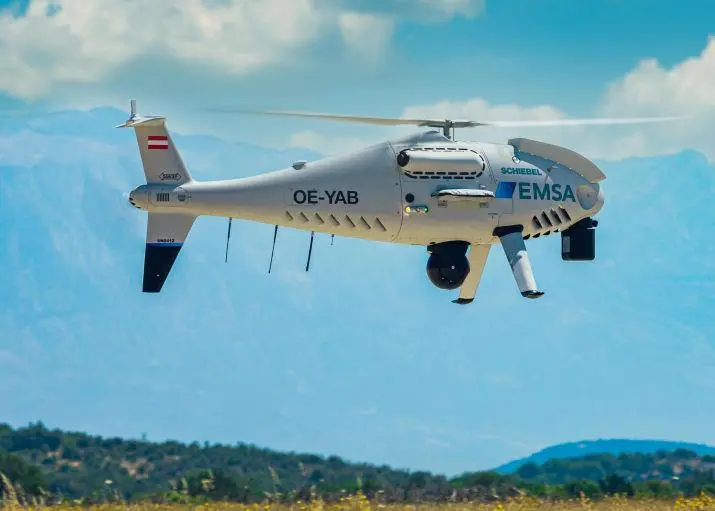
The onboard campaign will measure emissions from two ships, the aim being one powered by a four-stroke, low-pressure dual-fuel engine and one equipped with a two-stroke, high-pressure dual-fuel engine, and using a combination of in-stack (funnel) and drone-mounted sensors. The separate drone plume campaign, to be conducted over the 2022 summer period, will log methane emanating from LNG-fuelled ships as they enter or depart major ports such as Rotterdam, Antwerp and Barcelona.
The drone fugitive campaign will collect and quantify total fugitive methane emissions from LNG-fuelled vessels under different in-port operations, including berthing, anchoring, and LNG cargo handling. It is anticipated that measurements will be carried out in Rotterdam during the summer months. The fourth work element, the helicopter campaign, will assess methane emissions from ships with LNG-fuelled machinery in Danish waters throughout 2022.
Findings will be collated and drafted in a peer-reviewed white paper for publication and general release next year.
It is expected that the results, included estimated methane and also NOx emission factors by engine type for the ships involved, will help inform ongoing policy deliberations by the IMO and EU as part of the drive to mitigate shipping’s climate and air quality impacts.
The Motorship notes that the European Maritime Safety Agency (EMSA) already deploying drones and satellite imagery to monitor sulphur emissions from vessels.
The rationale for FUMES is methane’s global warming potential, 30 times stronger than CO2 over a 100-year period but said to be 82.5 times greater within the first 20 years. Although LNG currently represents only about 3% of total fuel consumption by the global fleet, methane emissions have grown steeply in recent years.
The issue of methane slip, the release into the atmosphere of unburned methane from ships’ engines, is of particular concern, notwithstanding the advances already made and the continuing technological efforts under way by engine designers to curb such emissions.
Related Articles
 ALTERNATIVE FUELS & LUBRICANTS
 GENERAL NEWS
 GENERAL NEWS