



Q&A: The progress of ship design with NAPA
The Motorship: How is NAPA preparing for the future integration of alternative fuels in maritime design with its offering?
Mikko Forss: “It [a package focused solely on future fuels] is still at the conceptual phase right now but what we’re researching is how to combine our voyage optimisation algorithm with our design software, and how to create capability for ship designers to future proof their designs. This is done by simulating the vessel concepts in actual weather conditions, by basically running your vessel design on an actual voyage in real weather.”
MS: What role does NAPA see beyond fuels in enhancing the efficiency of maritime operations?
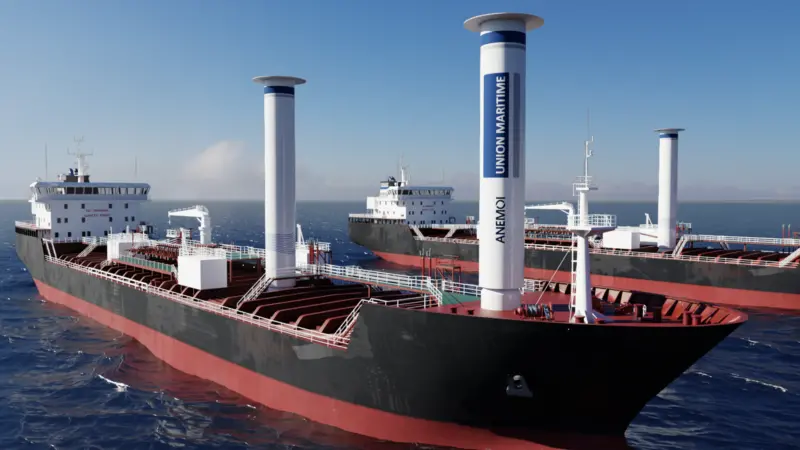
MF: ”Indeed, we are trying to think beyond just the fuels. We are trying to find ways to provide tangible solutions to our customers, to evaluate the feasibility of different energy saving appliances. Let’s take wind-assisted propulsion (here). How to couple that with alternative fuels is really interesting because it goes nicely with voyage optimisation and weather routing.”
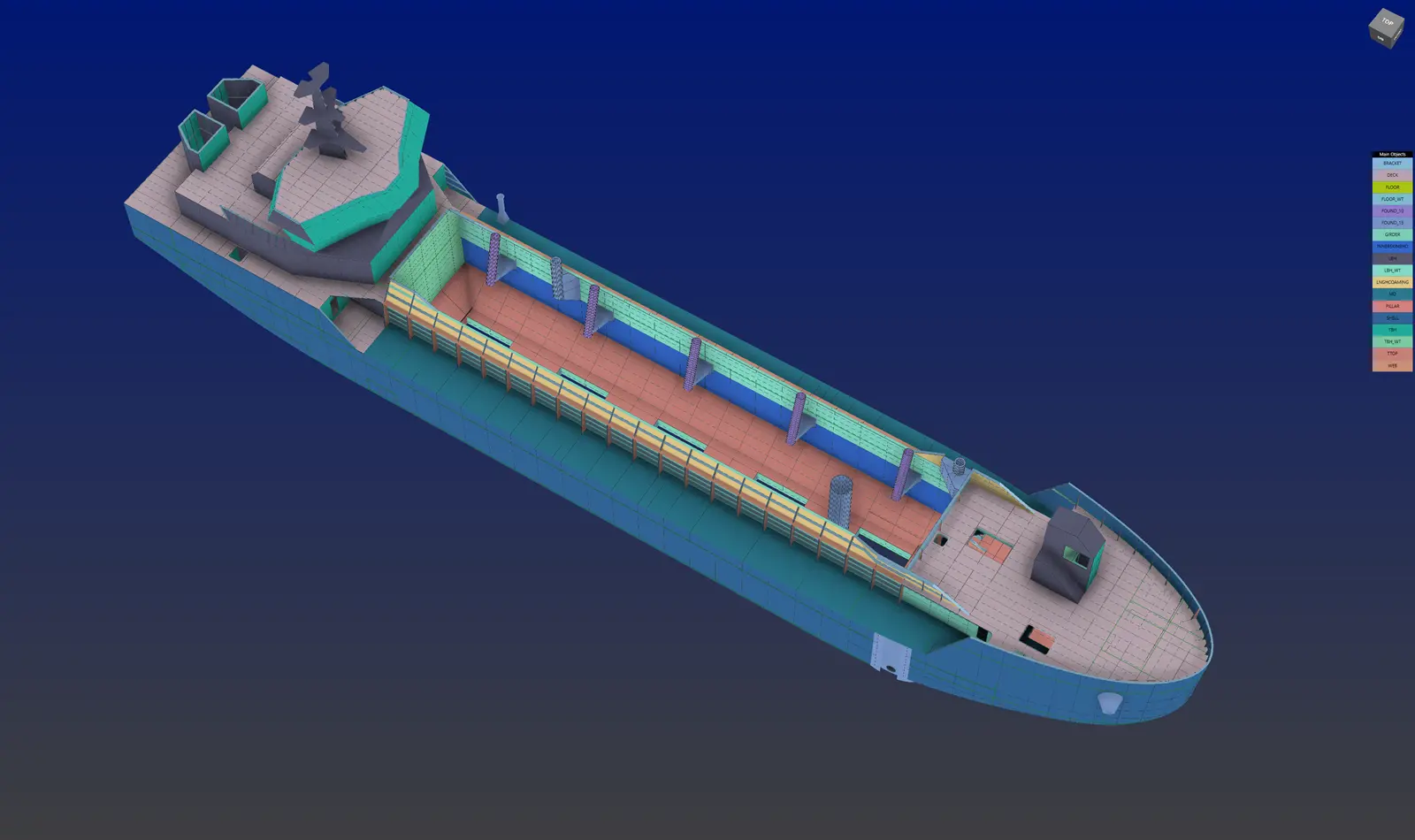
MS: How does the adoption of 3D model approval [pictured] fit into the broader trend of digital transformation in shipbuilding?
MF: “What’s happening in the shipbuilding industry is that our key customers are trying to extend their current 3D workflow in the design phase. This is to cut the lead time of the process, to be able to minimise possible costly errors in the downstream design phase to leave time for different type of production simulations, because that is essential to make the manufacturing part more effective. 3D approval is one branch of this, extending the 3D workflow philosophy, it can offer certain benefits to various stakeholders. These benefits vary a little bit, depending on whether you’re a class society, shipyard or a ship owner.”
MS: What are the limitations of traditional ship design methods, and how does a 3D modelling approach address these challenges?
MF: “The current way of drawing designs is to use the 2D drawings which, of course, are usually in a digital format. But let’s remember that ships are three-dimensional objects! [laughs] Systems that can offer flexible user experience [such as 3D modelling], aid designers and engineers being able to pinpoint errors in the very early design phases are very useful. 3D model approval is kind of a byproduct of this.”
MS: How does NAPA’s approach to product development enhance its partnerships?
MF: “Our philosophy has always been customer-centric product development, and when we partner with our clients, we have the best possible foundation to create value for them. So that’s the core philosophy behind that thinking. In order to gain a competitive edge in today’s competitive environment, it’s not only about modernising your CAD [computer-aided design] systems and software tools, but at the same time it’s about innovating your whole process.”
MS: What future developments can we expect from NAPA in terms of design tools and operational simulation?
MF: “We want to extend the 3D workflow process by taking the utilisation of NAPA tools further in the design process, meaning that we move from hull structure basic and approval design to more detailed design bases. That’s really a hot topic for us right now, we are modernising the user experience of our naval architecture solutions, and we are gradually introducing new tools for that area as well. The third focus point for us is to further develop operational simulation. We are seeing a pull towards that type of solution. We have existing assets like 3D model capability, hydrodynamics and stability in our system, when you couple that with voyage optimisation, it’s possible to future-proof your next generation designs through operational simulation already in the design phase.”
Related Articles
 NEWS
NEWS
 ALTERNATIVE FUELS & LUBRICANTS
 ALTERNATIVE FUELS & LUBRICANTS