



Real-time berth updates key to decarbonising
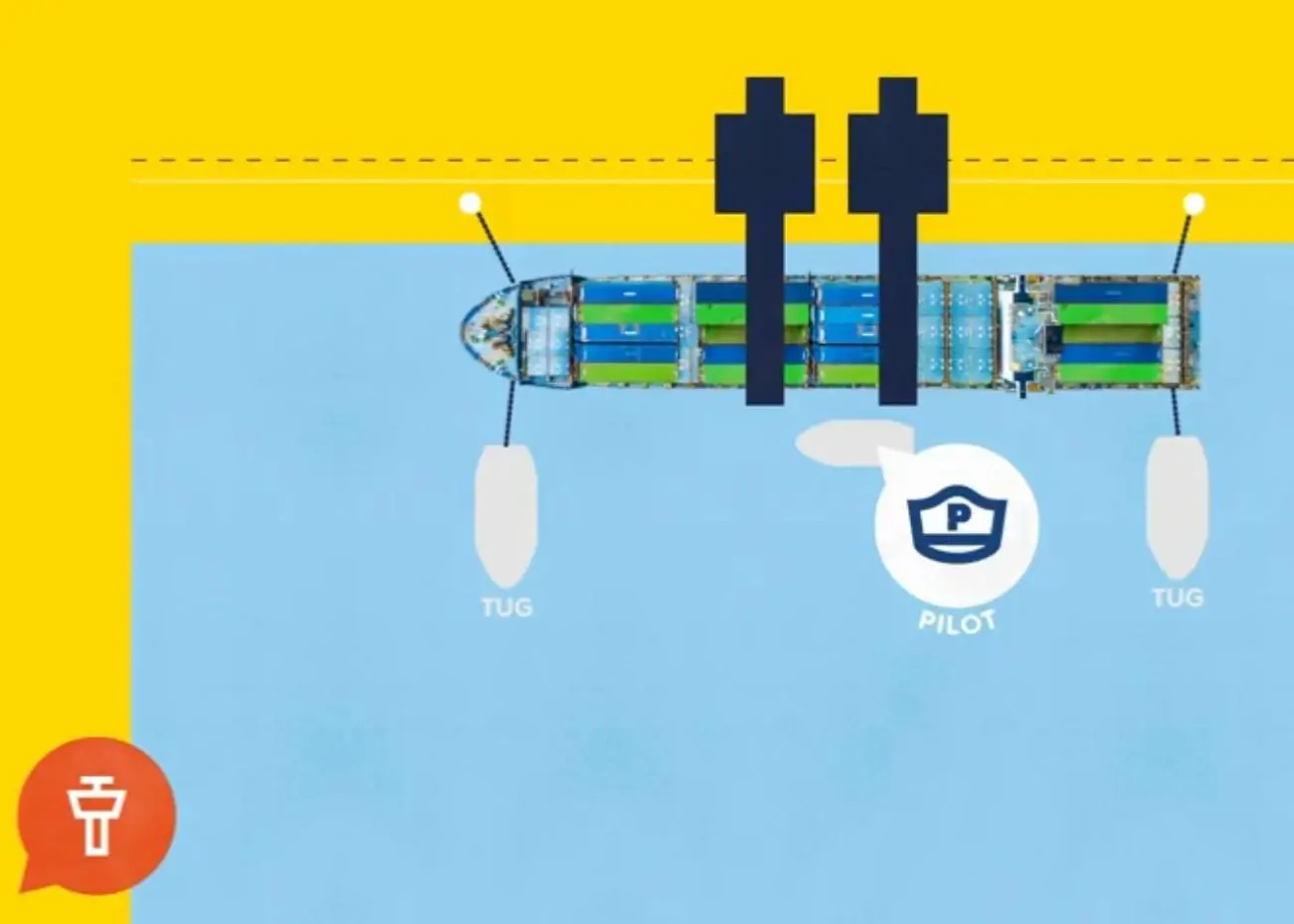
That is according to the IMO GloMEEP Global Industry Alliance to Support Low Carbon Shipping (GIA), which has provided an update on its project ‘Just-in-time (JIT) operation of ships’, which aims to support tackling existing barriers towards decarbonising the shipping sector.
Research it has conducted so far suggests that JIT can significantly reduce emissions per voyage and at anchorage due to reduced waiting times and improve personal safety, navigation safety and provide better capacity planning for ports and shippers.
Overcoming barriers
A Rotterdam case study suggests that if ships slowed down for the last 12 hours of sailing rather than spending those 12 hours at port, GHG emissions could be cut by 4% from each ship and overall ship emissions at port could be reduced by 35%.
The trouble is many barriers exist to putting JIT into practice.
Firstly, it’s challenging to organise as it involves alignment of many stakeholders. There is traditionally a lack of communication between service providers, ship and port authorities and communication through ship agents can often be delayed.
Secondly, current port regulations do not always allow ships to update departure times to port authorities directly and current VTS systems do not allow to inform ship outside VHF range (30 nM range) on arrival window, both causing a delay in updates.
Then there are the contractual barriers. Today about 70% of all bulk carriers and tankers are contractually prohibited to reduce speed.
Meanwhile, berthing windows may contain commercially sensitive data which would not normally be shared between stakeholders.
The GIA said it is working to overcome these barriers and many of the solutions already exist in practice.
It is gathering experience from ports that have so far unsuccessfully implemented JIT and is studying concrete measures (including incentives) for the removal of contractual/ operational barriers to large-scale uptake of JIT.
Its intersessional group will report to the Marine Environment Protection Committee (MEPC 73), at its next meeting from 22-26 October.
Related Articles
 ALTERNATIVE FUELS & LUBRICANTS
 GENERAL NEWS
 GENERAL NEWS