



Report claims JIT can cut CO2 emissions by 14%
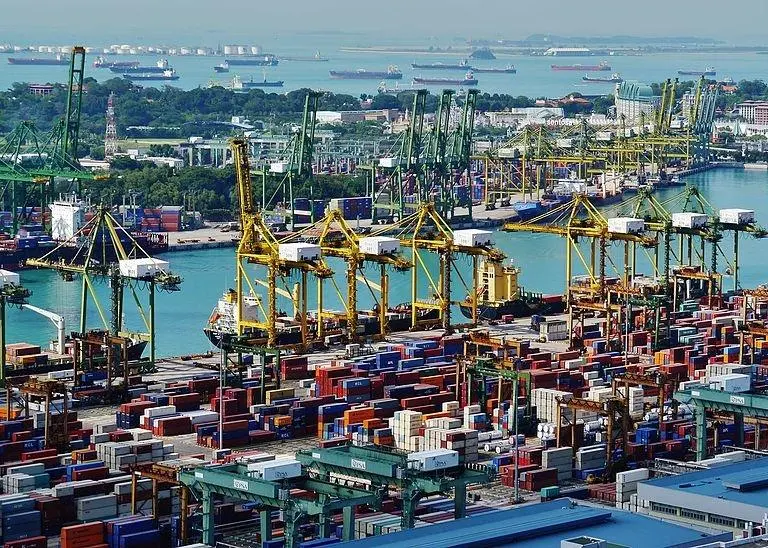
The IMO says that JIT is an important tool that can contribute to a ship attaining its required carbon intensity indicator (CII) and associated CII rating in accordance with IMO’s short-term GHG reduction measure, which will enter into force later this year. JIT can be taken up, together with other operational measures, in the enhanced Ship Energy Efficiency Management Plan (SEEMP) which will play a central role in the implementation of IMO’s recent energy efficiency measures.
This latest study, undertaken by MarineTraffic and Energy and Environmental Research Associates (EERA), explores the global implementation of JIT in the container sector. Using AIS data from the calendar year 2019 (pre-pandemic), the impact of JIT on fuel consumption and emissions was assessed by optimizing all voyages over the entire voyage, over the last 24 hours, and over the last 12 hours.
The results show that while optimising speed over the entire duration of a voyage offers the greatest saving opportunity (displaying a mean fuel saving per voyage of 14.16%), there were benefits in all scenarios with savings of 5.90% (24 hours scenario) and 4.23% (12 hours scenario), respectively.
“In fighting climate change, global shipping has a steep mountain to climb, and we need to pull all levers to deliver in line with the Paris Agreement. The study underlines that while we work to accelerate and scale the availability of the future green fuels, in the short-term significant emissions reductions can be achieved by bringing vessels, terminals and ports together to exchange standardized data and facilitate Just In Time arrivals,” said Capt. Andreas M. van der Wurff, Port Optimisation Manager at A.P. Moller-Maersk and Chair of the Low Carbon GIA Ship-Port Interface workstream.
The study is available here.
Related Articles
 EMISSIONS REDUCTION TECHNOLOGY
 EMISSIONS REDUCTION TECHNOLOGY
 EMISSIONS REDUCTION TECHNOLOGY