



Rising copper prices threaten ship efficiency
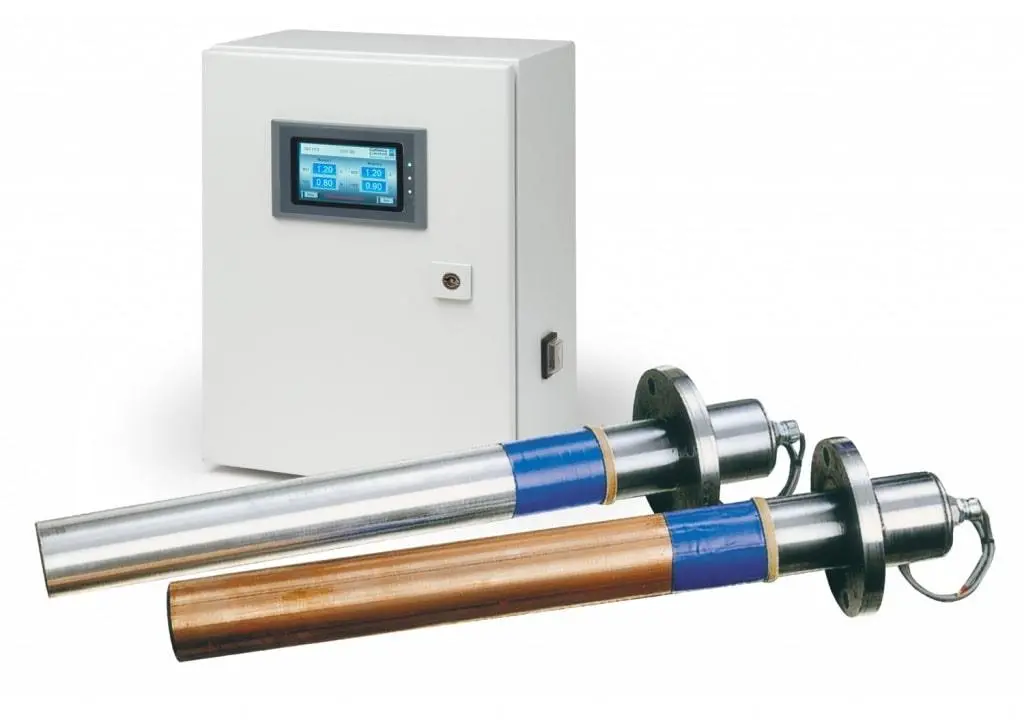
Anti-fouling measures used in shipping is a way for vessels to maintain efficiency as there’s less friction from foreign substances attached to the hull. Cathelco’s marine growth prevention system (MGPS) uses copper anodes mounted in sea chests or strainers connected to a control panel. The MGPS creates copper ions giving a dosage of just 2 parts per billion which prevent barnacles and mussels from settling and growing in seawater lines.
Given the miniscule quantities of the metal used, it would seem unlikely that price fluctuations of copper would have any impact on Cathelco’s product but Nick Cowley, the company’s president, has some surprising news. In February this year copper prices surged, hitting a peak of $10,000 per tonne. Cathelco purchases 300 tonnes per year for its business and given the metal can account for up to 80% of its products, customers soon noticed the price hike.
“They don’t ask why the price is high. They’ll go and then just look for alternatives,” says Cowley, adding that using non-OEM is a perilous course to take. Article 95 of the Biocidal Products Regulation stipulates the approved suppliers of anti-fouling products and if a system is used by a provider not on the list, the vessel may not be covered by warranties nor even remain regulatory compliant.
Cowley distinguishes between mere purchasers of his anti-fouling systems and marine professionals who perhaps have a better understanding of the costs involved with MGPS in the wider context of operating a vessel.
“Now the consequences of that [using a non-OEM system], in the scheme of a marine growth protection system is low value in the operational maintenance of a vessel but they are highly important for effective running of the vessel. If they don’t maintain the systems, either cooling systems, you’ve got potential for damaging the engines. An engineer or technical person will understand that part of it,” says Cowley.
Despite copper prices surging this year, it has had very little impact on the cost per nautical mile of running a vessel especially when compared to the consequences of not using an approved product supplier found on Article 95.
Furthermore, Cowley says that MGPS is actually bought quite infrequently, between every two to five years. Like in many areas of shipping, those looking to scrimp on costs could end up in dire straits in the long term as the system is vital for the smooth running of a vessel.
Related Articles
 METHANOL
 MONITORING, CONTROL & DIGITALISATION
 MONITORING, CONTROL & DIGITALISATION