



SEA-LNG defiant in face of lobby group pressure
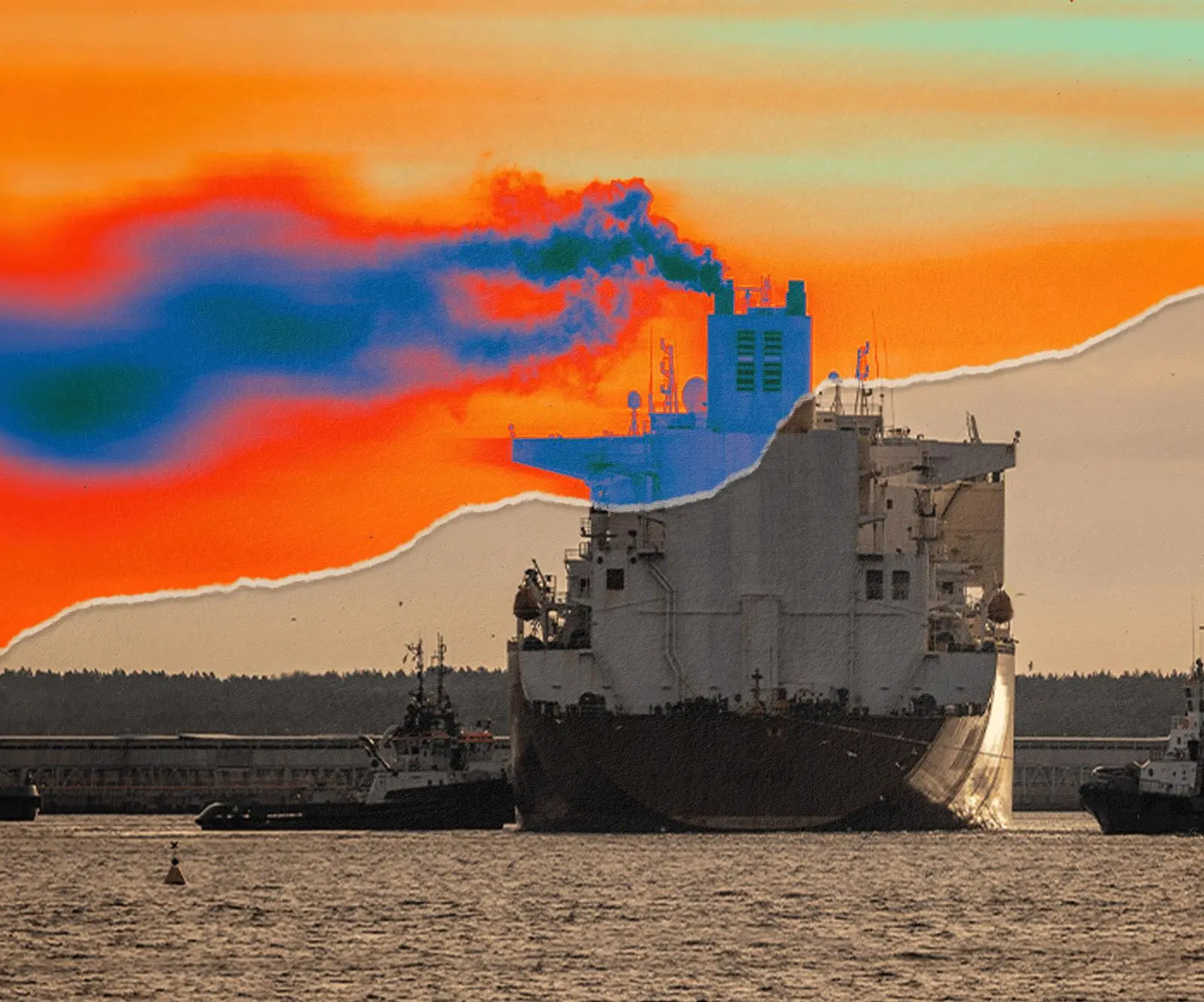
The Motorship spoke to SEA-LNG’s chief operating officer Steve Esau recently about some of the charges brought against the fuel although today the industry group quoted its chairman, Peter Keller, discussing the steps taken to address issues such as methane slippage.
“As LNG continues to gain widespread recognition as the current practical and realistic alternative fuel pathway, it is reassuring to see growing evidence that the challenge of methane slip will be eliminated within this decade,” said Keller, even congratulating organisations like the Methane Abatement in Maritime Innovation Initiative (MAMII) and the GREEN RAY project focused on the issue.
Say No to LNG is on the offensive though, claiming that if global methane emissions, a result of using the fuel, are reduced by 45% it would prevent 260,000 premature deaths, 775,000 asthma-related hospital visits, 73 billion hours of lost labour from extreme heat, and 25 million tonnes of crop losses every year.
Not convinced? The group also suggests that apart from the humanitarian cost, LNG is also a “poor investment” as money spent on any infrastructure for the fuel results in higher costs for “true zero-emission fuels.”
Who to believe? Steve Esau acknowledged that methane slippage is a recognised issue for LNG during the interview with The Motorship. His organisation echoed his words in its statement by saying that for low-pressure engine technologies where methane slip remains an issue, manufacturers have already cut the levels of by more than 85% over the past 25 years.
SEA-LNG points to the fact there is a growing momentum for LNG as a marine fuel. Clarksons’ data shows that 109 LNG dual fuel vessels have been ordered in 2024 up to June. There are now more than 550 LNG-fuelled vessels in operation, a number expected to double by 2027.
Their data is compounded by a report by Reuters at the start of the year which stated that 68% of newbuild cruise ships would be powered by LNG, a large step up on the current 6% of vessels using the fuel.
With FuelEU Maritime coming into force at the end of this month, shipowners will be keen to stay compliant with the regulation as the financial penalties for exceeding emission levels start becoming more punitive from 2026. According to reports, LNG will comply with FuelEU’s GHG targets to at least 2039 whereas for “true zero-emission fuels” this is harder to predict due to the well-to-wake approach being used by regulators.
Ironically, LNG’s association with methane dates back to the beginning of its use as a fuel as it was first delivered by a vessel named “Methane Pioneer” in1959 from Louisiana to Canvey Island in Essex. Perhaps an active debate with representatives of other future fuel options – LNG has greener formulations similar in structure to green methanol – would be more beneficial to the maritime industry than scare tactics.
Related Articles
 EMISSION CONTROL TECHNOLOGY AND EQUIPMENT
 EMISSION CONTROL TECHNOLOGY AND EQUIPMENT
 EMISSION CONTROL TECHNOLOGY AND EQUIPMENT