



Shipowner speaks about ECA sulphur limits
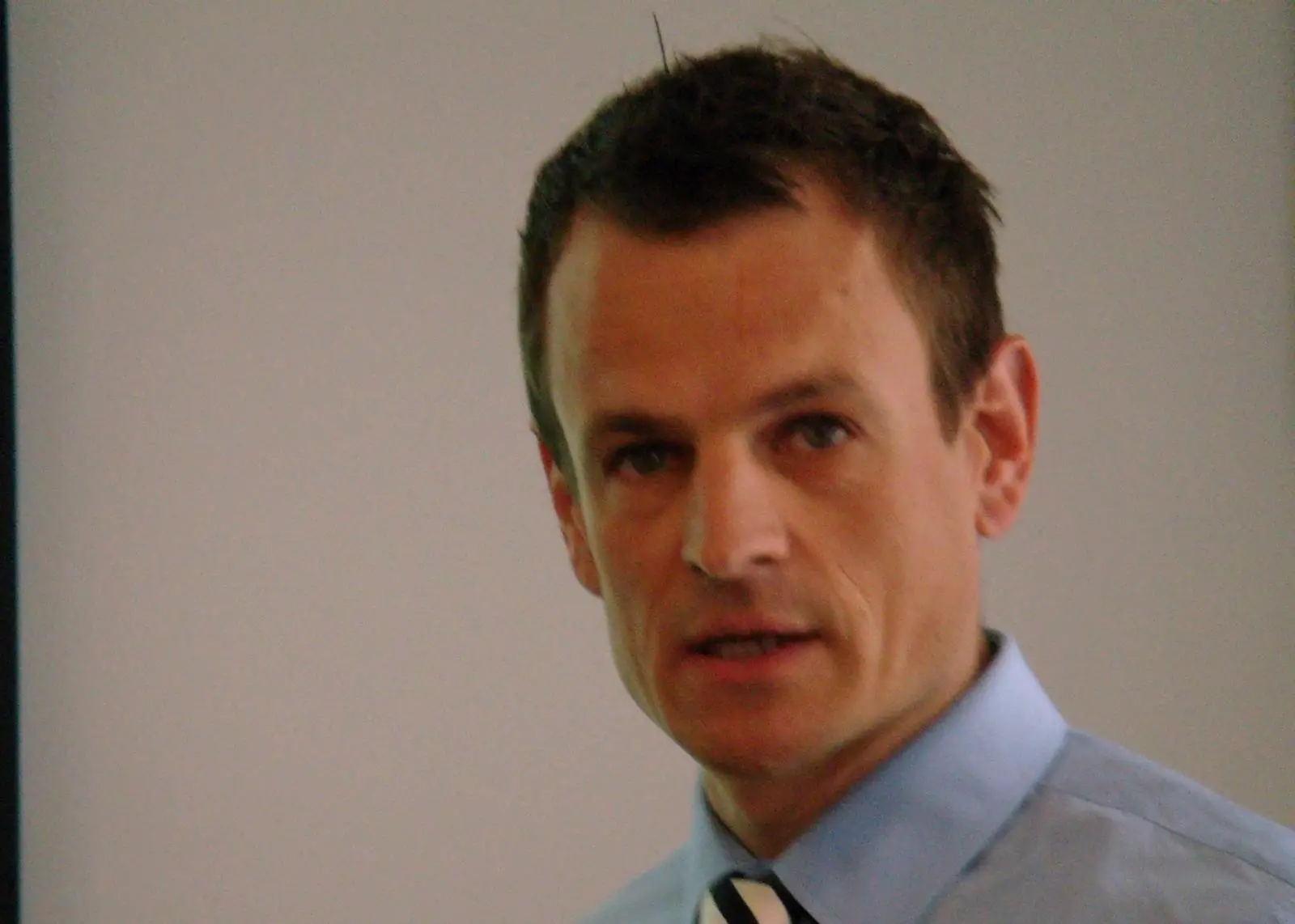
Claus Winter Graugaard, vice president head of fleet management at Lauritzen Kosan, part of the J Lauritzen group, highlighted the fear of some operators being deliberately non-compliant with the upcoming rules, and getting away with it, at the expense of more honest operators, such as his company. He said that there is a huge upside to being non-compliant, so less scrupulous operators could be tempted to continue to burn cheaper, non-complaint fuels, as the penalties for doing so are so low.
Mr Graugaard highlighted the fact that responsibility for enforcement rests mainly with port state control. There are likely to be numerous vessels transiting ECAs which may not call at any ports, so there is a very low likelihood of their being inspected. “This is likely to put pressure on the ‘good guys’ like Lautitzen who want to be compliant,” he said.
Speaking to a party of marine journalists, Mr Graugaard went on to discuss the huge challenge of ballast water treatment systems, where IMO is still waiting for states representing the remaining 5% or so of world tonnage to ratify the convention, whereas the US legislation is now effectively in force. Technical development is moving ahead quickly, meaning that those who opted for systems which were early to the approval process are now left with outdated technology – being ahead of the game is, in this case, a far from viable solution, he said.
Related Articles
 ALTERNATIVE FUELS & LUBRICANTS
 GENERAL NEWS
 GENERAL NEWS