



Shipping and the marine insurance industry in 2014
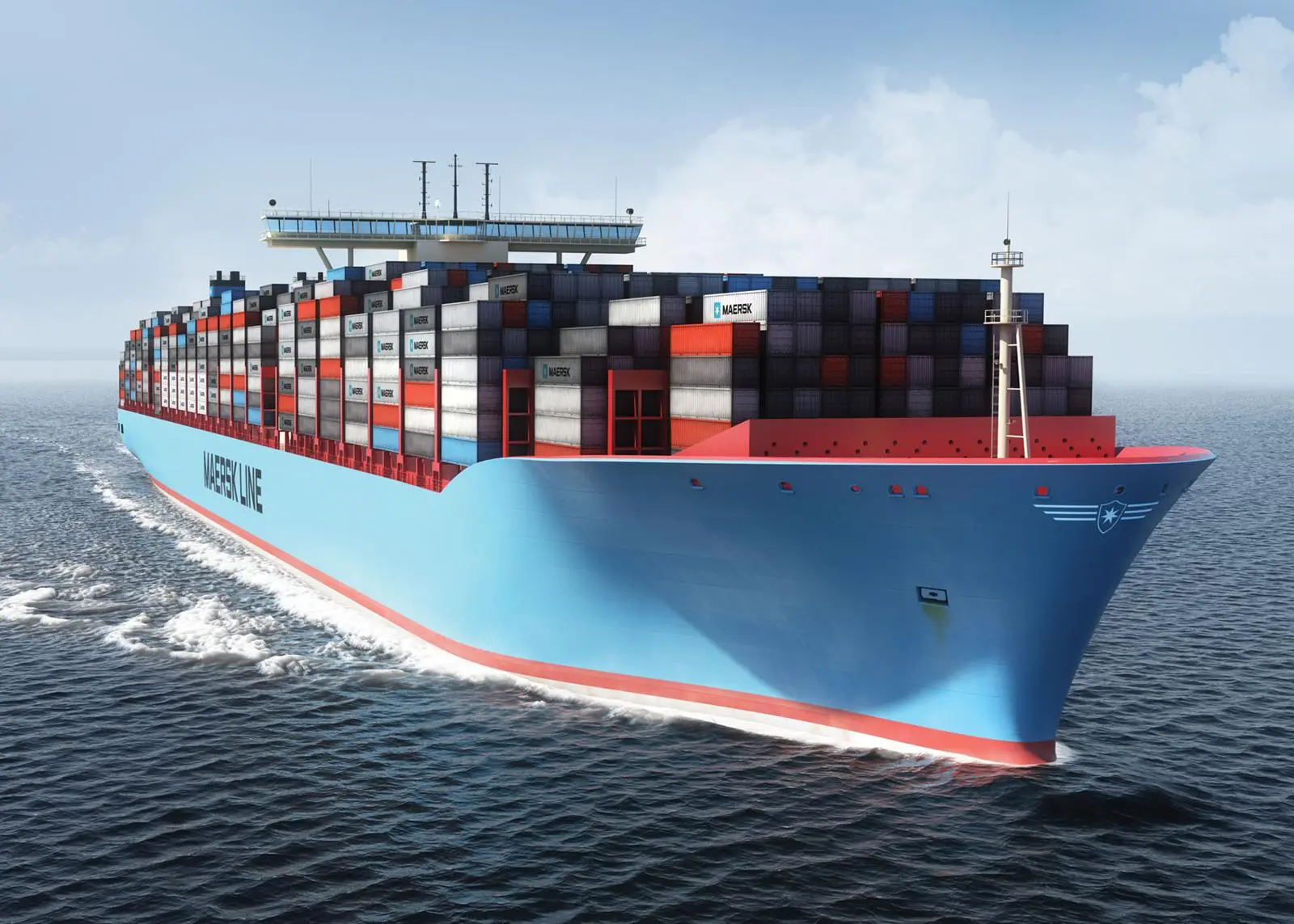
Shipping is of course a very cyclical business, and any major disruption to trade as a result of geopolitical events could upset the applecart. But right now there are signs of important changes taking place, not least that freight rates have stabilised in many trades and even increased in places. The growth in newbuild orders has slowed, and demand for iron ore from China was perking up as 2013 drew to a close.
On the marine insurance side, the outlook is more mixed, even downbeat in some quarters. Insurers have had to withstand a sharp drop in ship values as the recession dragged on; but the biggest problem is the acute surplus of underwriting capacity as new players enter the market hungry for market share and premium income at any price.
When the International Union of Marine Insurance held its 2013 annual conference in London, its facts and figures committee provided a snapshot of current conditions. Its core messages were:
- There is an unchanged demand for marine insurance, but also a persistent surplus risk-absorbing capacity.
- The total global marine premium (income) increased in 2012 by 4.9%, reflecting the increase in global trade after the financial crisis. Emerging markets have grown in importance, but the major markets retain dominant shares.
- The market environment continues to be challenging and technical results need to improve.
- Single individual events such as the Costa Concordia grounding and Superstorm Sandy on the US east coast set their mark on recent hull and cargo results.
- Insured values continue to decrease on renewal for existing vessels, while the value at risk in the insurers’ portfolio increases due to the influx of new, high-value vessels, thus increasing the potential for costly losses.
- Shipping is struggling with a strategy to deal with recession, fuel prices and regulatory issues.
As widely expected, IUMI’s ocean hull committee reported a 17th year of loss for the hull market, despite a levelling off of claims, with little sign of any upward movement in premium pricing. Underwriters themselves as well as other stakeholders cannot explain why the market is in such a mess. Peter Townsend, chairman of the London market’s influential Joint Hull Committee, doubted that despite years of losses the market will turn.
He said: “I fear we’ve almost got an unsustainable business model and won’t see a hard market in the foreseeable future.” A depressing prognosis from Townsend, who is a hull underwriter with Swiss Re Corporate Solutions and a powerful voice in the international market. There are an estimated 200-odd insurers writing ocean hull business.
An important development revealed at IUMI conference time was that ship surveys ordered by hull underwriters will be extended to cover bunker management in a major crackdown on the increasing number of catalytic fines-related engine damage claims. The Joint Hull Committee is adding a specific requirement for surveyors to include bunker handling in the widely-used JH110 condition survey wording. In short, the requirement (a “condition precedent”) has to be followed as a precondition of hull and machinery cover being granted.
Engine builder MAN has reported that 60% to 70% of claims arising from its engines resulted from cat fines issues. Underwriters are fed up with paying out huge sums from a relentless flow of claims.
One section of the market that can extract more premiums is that of the P&I mutual clubs. When the traditional annual renewal occurs on February 20, shipowner and charterer members of the clubs will suffer premium hikes averaging 7.5% for the new policy year as the clubs battle against a big increase in the cost of individual claims and a rise in attritional claims.
Related Articles
 METHANOL
 MONITORING, CONTROL & DIGITALISATION
 MONITORING, CONTROL & DIGITALISATION