



Shipping faces new safety challenges
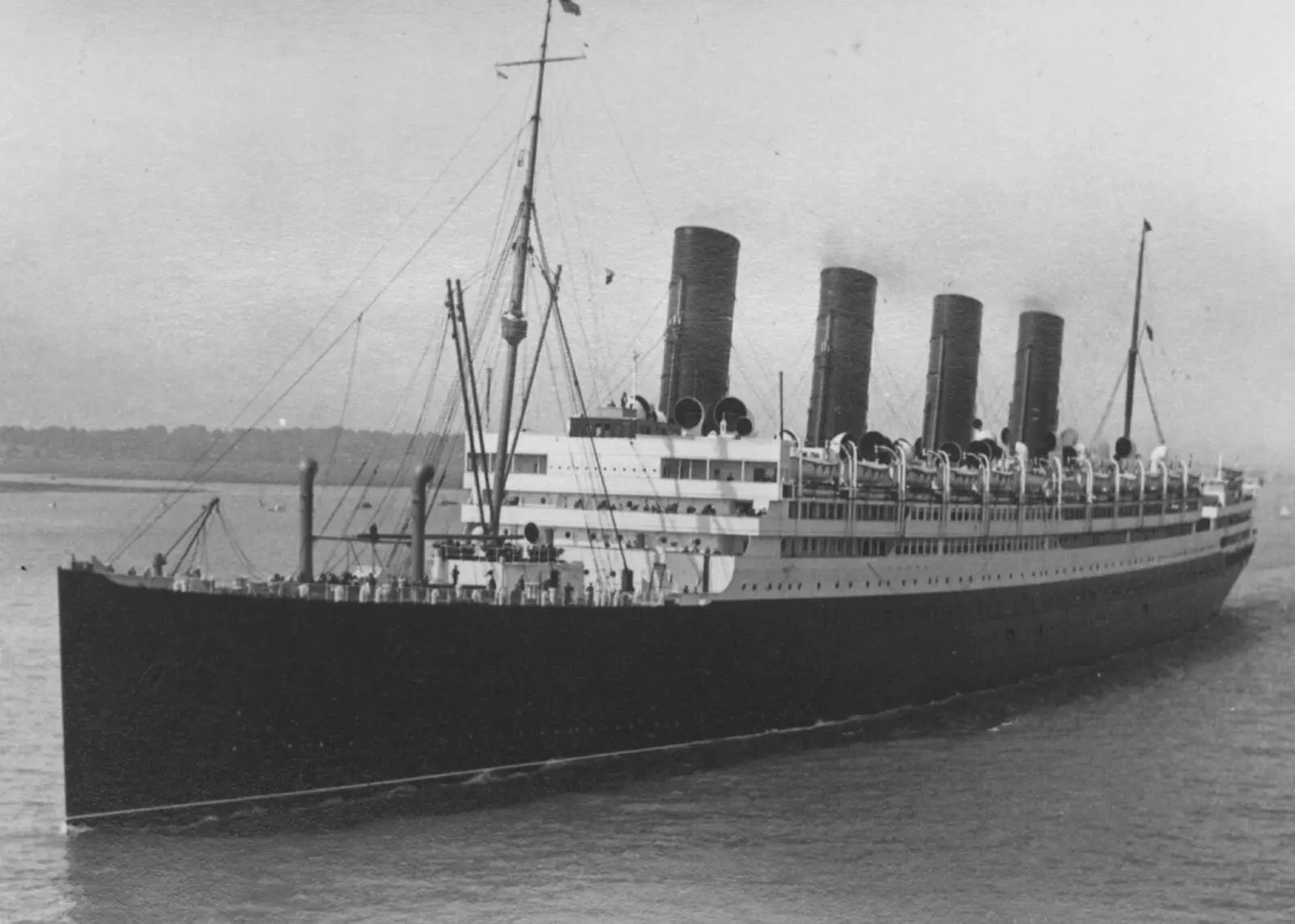
The 64-page study, subtitled From Titanic to Costa Concordia, was commissioned by the German marine insurance specialist Allianz Global Corporate & Speciality to highlight the importance of the industry and developments in maritime safety over the past 100 years. Developed in conjunction with the Seafarers’ International Research Centre at Cardiff University, the report concludes that there have been significant improvements in safety since the Titanic – with annual loss rates declining over the century from one ship in every 100 to one ship in every 670.
The fatality rate for UK seafarers has fallen from 358 per 100,000 in 1919 to 11 per 100,000 over the same period, according to the report. However, the work-related death rate is still 12 times higher than the shore-based workforce.
What drives advances in safety standards? Disasters, claims the report. While technologies such as radar or GPS have resulted in improved safety, it has been major accidents that have been the catalysts for key changes. And despite the improvements over 100 years, the report warns of a series of significant and emerging challenges confronting shipping.
- ‘Mega’ ships and other large vessels pushing the design envelope and raising concerns over structural integrity
- Ultra-large cruiseships raising serious questions over evacuation and rescue in remote environments
- Minimum crewing levels that fail to allow for the inevitable extra tasks that 24-hour operations require
- Communication problems among increasingly multinational crews
- Poor enforcement and co-ordination of complex regulations
- Bureaucracy and paperwork demands that divert seafarers from key tasks.
Mark Dickinson, general secretary of the anglo-Dutch officers’ union Nautilus, welcomed the report as a thorough and considered piece of work that reinforced so many of the concerns that they had been raising recently. He said: “The fact that marine insurers are so clearly echoing some of the main issues of our members have been complaining about should be sending a strong message to those who control the shipping industry.
“The development of bigger and more technologically complex ships is raising the stakes and should be driving owners and operators towards investment in highly-skilled maritime professionals.”
Related Articles
 METHANOL
 MONITORING, CONTROL & DIGITALISATION
 MONITORING, CONTROL & DIGITALISATION