



Singapore, POLA and POLB to establish trans-Pacific green corridor
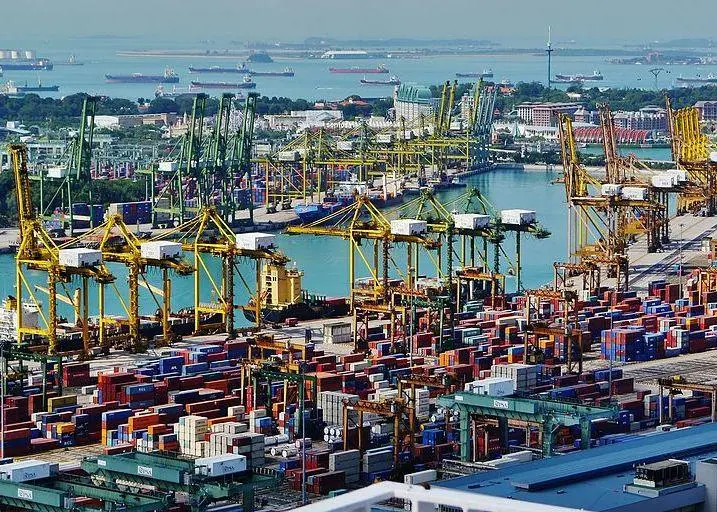
The corridor will focus on low- and zero-carbon fuels for bunkering, as well as digital tools to support deployment of low- and zero-carbon ships.
The collaborative effort was announced as part of the Green Shipping Challenge launched during COP27 in Egypt. Convened by the US and Norway, the Green Shipping Challenge encourages governments, ports, maritime carriers, cargo owners and others in the shipping value chain to commit to concrete steps at COP27 to galvanize global action to decarbonize the shipping industry.
As hub ports, Singapore, Los Angeles and Long Beach are vital nodes on the trans-Pacific shipping lanes and key stakeholders in the maritime sector’s green transition. The three ports and C40 Cities will work closely with other stakeholders in the maritime and energy value chains to accelerate the deployment of low- and zero-carbon emission solutions, identify digital shipping programs, and develop green fuel sources for bunkering to support efficient cargo movement. In addition to reducing greenhouse gas emissions, the green and digital shipping corridor aims to catalyse investment in green infrastructure, including zero-carbon energy hubs linked to port and shipping demand.
Teo Eng Dih, Chief Executive of MPA, said: “The trans-Pacific corridor is one of the busiest trade routes in the world. MPA is pleased to support the development of a green and digital shipping corridor with the USA through the Port of Los Angeles and the Port of Long Beach, given their strong connectivity and existing initiatives with C40 Cities.”
C40 is a network of nearly 100 mayors of the world’s leading cities who are working to deliver the urgent action needed to confront the climate crisis. Mayors of C40 cities are committed to using a science-based and people-focused approach to help the world limit global heating to 1.5°C and build healthy, equitable and resilient communities.
C40 Executive Director Mark Watts said: “Accelerating efforts to decarbonize the shipping sector is urgent if we are to limit global heating to 1.5°C. This initiative has the potential to serve a range of carriers and routes by reimagining infrastructure designs and operational best practices, and advancing the feasibility of zero-carbon fuel production, supply, storage and bunkering.”
Related Articles
 ALTERNATIVE FUELS & LUBRICANTS
 GENERAL NEWS
 GENERAL NEWS