



South Korea eyes ECA from 2022
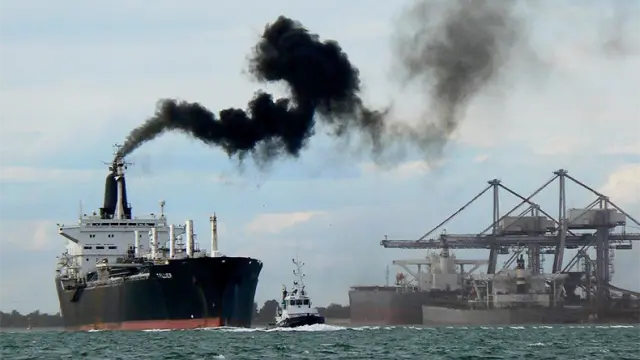
The ports covered by the regulations include Incheon, Pyeongtaek and Dangjin, Yeosu and Gwangyang, Busan and Ulsan.
The regulations were enabled by domestic legislation that permits the Korean Ministry of Maritime Affairs and Fisheries (MOF) to introduce steps to reduce air pollution from shipping.
The changeover to compliant fuel must take place within one hour of arrival and must not change back until within one hour before departure.
The area covered by environmental standards around South Korea’s ports is likely to expand on 1 January 2022, where wider designated zones around the aforementioned ports is likely to enter force.
In December 2019, South Korea introduced a voluntary vessel speed reduction program, modelled on port handling discount schemes in place at the ports of Los Angeles and Long Beach in California since 2001. Under the terms of the scheme, reduced port fees can be applied to arrivals at the country’s five busiest ports: Busan, Ulsan, Yeosu, Gwangyang and Incheon.
The scheme is targeted at reducing particulate matter emissions at the effected ports, with reductions of up to 30% available to container vessels that approach the ports at or below 12 knots. The details of the Ministry of Maritime Affairs and Fisheries (MOF) scheme are available here.
Related Articles
 ALTERNATIVE FUELS & LUBRICANTS
 GENERAL NEWS
 GENERAL NEWS