



Standardisation can help enable shipping’s digital transformation
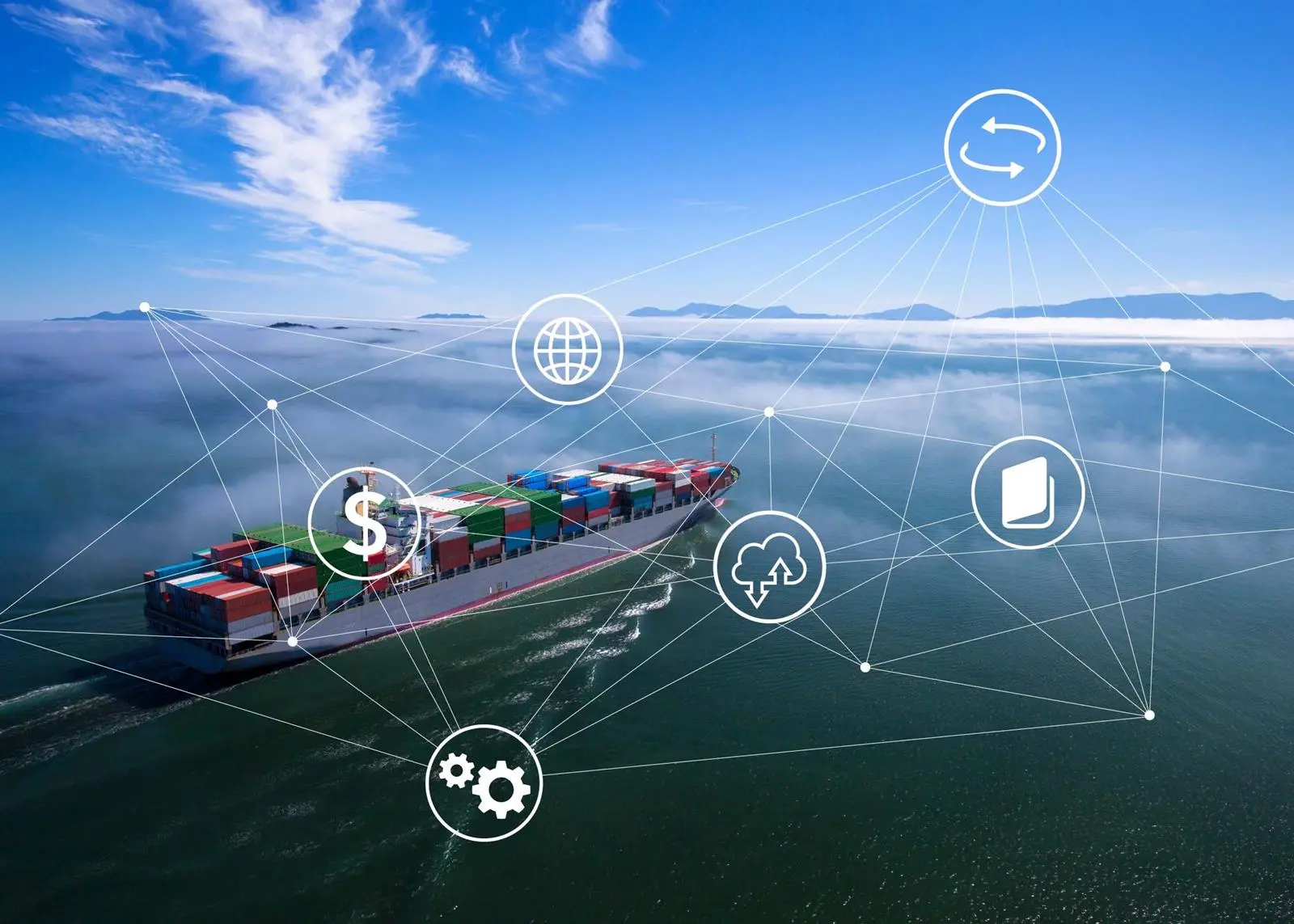
DNV GL’s position paper draws on the experience gained from digital pilot projects focused on ship sensor data by examining how standardisation can enable the effective collection, storage, exchange, analysis and use of data, while contributing to improved data quality and sensor reliability.
“Standards are used in many industries to advance efficiency, safety and environmental performance,” said Pierre Sames, group technology and research director at DNV GL. “With the rise of the Internet of Things in shipping, we believe that many stakeholders can benefit from developing a standardisation strategy to take advantage of a more digital maritime industry.”
Data collection
The paper focuses on the collection of ship sensor data, as increased sensor availability lets us collect both existing and new types of data more efficiently, with the result that more data is available than ever before. But as more data is being collected, exchanged and prepared for use, the origin, quality level, context, and legal status can become less transparent – resulting in end users being less likely to trust and use the data.
The report discusses the need for standardisation in six key areas: Ship data models; sensor naming and referencing; maritime taxonomies and code books; sensor metadata; shipboard data recorder; and sensor quality and reliability.
However, the paper notes that as future technologies develop, there may be a need for new standards to support other applications, such as model-based simulations and autonomous ships.
The paper can be downloaded here.
Related Articles
 ALTERNATIVE FUELS & LUBRICANTS
 GENERAL NEWS
 GENERAL NEWS