



SUBSEA INFRA OUTAGES RAISE SAFETY ISSUES TO MAINSTREAM
The challenges on the security side in particular vary: while many energy related installations manly lie in littoral waters, fibre optic cables that are used by the telecoms industries frequently connect continents and thousands of miles of them are located on the seabed far out at sea.
In the spring of 2023, Image Soft, which is based in Finland, which was affected by the Balticconnector pipeline case, launched the latest version of its Underwater Surveillance (UNWAS) product, which adds artificial intelligence and new algorithms, said Managing Director Matti Suuronen. “Our company Image Soft has developed undersea surveillance systems since 1990. At the beginning of the millennium, digital data transfer was included in them. It was then that UNWAS was launched as a product for undersea surveillance,” he told The Motorship.
The company has also developed a training simulator, which allows people to be trained on the basics of underwater surveillance, on how to use the system, tactics and the handling of vessels. Recent events have triggered considerable interest in the product, Suuronen said.
“There is not very much information available in the public domain about the underwater surveillance (of infrastructure) by various European countries. However, it is my understanding that underwater infrastructure has not been monitored very extensively,” he said. There are differences in the equipment that various countries use – some rely on fixed, passive or active installations, whereas some other countries have either passive or active mobile equipment.
Surveillance should be extensive and continuous
Suuronen said that the surveillance of the underwater infrastructure should be extensive and continuous. “In addition, a warning should be received when a threat is approaching at an earliest opportunity and it should contain information about the nature of the threat and its location,” he continued. If there is a high risk for being caught, the threshold to damage underwater infrastructure will rise,” he pointed out.
The UNWAS system of Image Soft will detect divers, submarines and surface ships at an early stage, which will allow the countermeasures to be launched early. As the system is passive – it does not send any signals – which means that an intruder cannot be aware of where surveillance is being conducted. The data the system gathers and stores can be used as evidence. It shows the location of a vessel that is suspected for unlawful activity, how its engines have been run, possible sounds made by its anchors, if divers or drones have been launched from the ship, underwater communication and e.g. the use of active echo sounder and its pulses.
“While I am not exactly certain what the practise (regarding underwater surveillance) is in different countries, usually this is conducted by the naval forces and coast guards. In some cases private companies have been in touch with us regarding underwater surveillance,’ Suuronen said.
While oil and gas pipelines and power cables from offshore wind farms mainly run relatively short distances on the seabed, the picture is very different when int comes to fibre optic cables.
More than 97% of the traffic on the Internet uses these cables at some point, said the European Union Agency for Cybersecurity (ENISA). “There is a lack of information about the resilience, redundancy and capacity of subsea cables and further analysis is needed. The European Commission recently launched a dedicated study for this,” the organisation says on its website.
A new area that is not fully understood
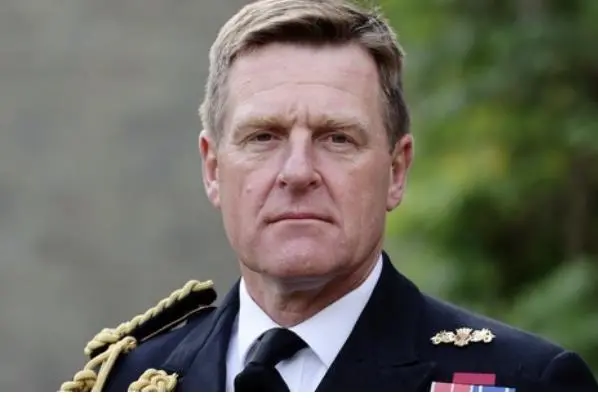
Admiral Sir Ben Key, head of the Royal Navy in the UK, agrees with the view that these matters pose new challenges. He said in a webcast interview in October: “So, I think we are exploring a whole area which we don’t fully understand at the moment in terms of the solutions space, because when we first put together the United Nations Convention for Law of the Sea (UNCLOS), for instance, it was very much focused on what happens on the surface of the sea.”
The picture is complicated further by the fact that data cables lie for an overwhelming majority in international waters, or as Sir Ben put it: ”in territory that is owned by everybody.”
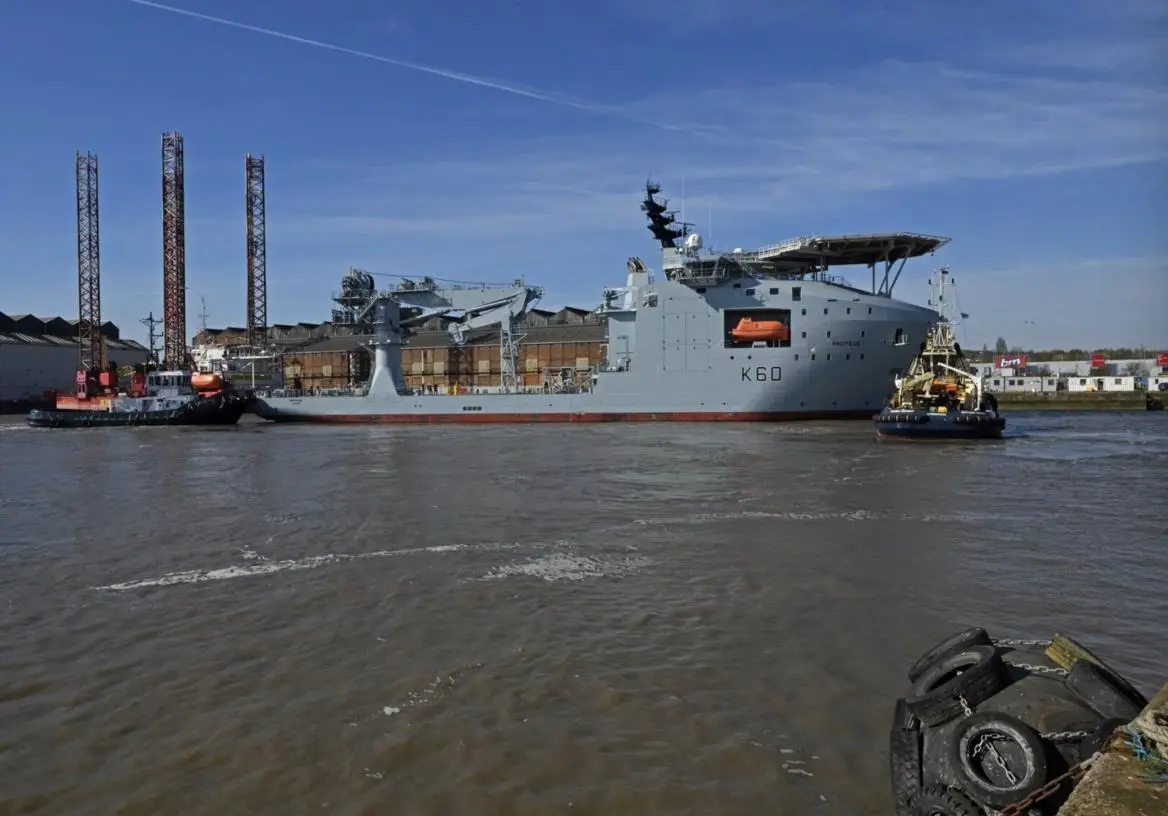
The UK defence ministry has recently commissioned a vessel called Proteus that is “specifically designed and purchased to use modern and innovative technologies to better understand what is going on on the seabed, and then to give us a range of choices as to how we respond to that.”
“When I look at how Norway has developed some of its sort of both state and commercial intersections to better understand what’s going on in its huge energy pipelines that are just off its coastline, a JEF member now sharing its thoughts with us, these sorts of exchanges are a really important part of developing the kind of economic security that is what is the new – you know, in many ways it’s the new economic dimension,” he pointed out. JEF – Joint Expeditionary Force – is a UK led group that includes the Scandinavian and Baltic countries and the Netherlands.
“Because when you consider some of the challenges we face, you’re going to be taken into the grey zone because the power of the Western nations acting as a collective in a traditional security sense is still really quite impressive. It’s a strong deterrent effect,” Sir Ben said, concluding: “I would add seabed warfare now very much in the mix of the new domains”.
When the wind blows
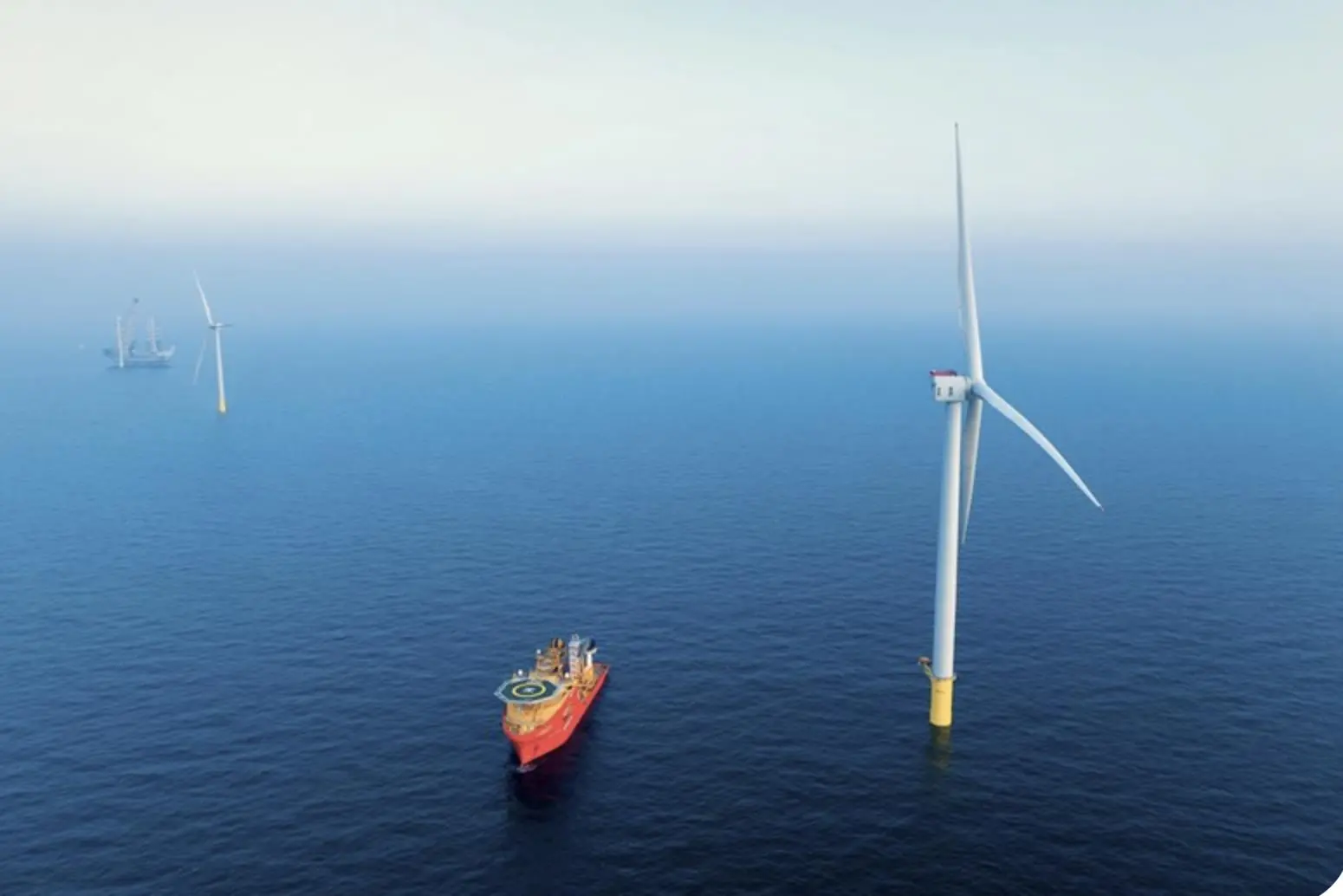
Offshore wind farms and the infrastructure that links them to the shore has expanded rapidly in recent years and is anticipated to continue to do so in the future as well. This has raised the safety and security of these installations to the spotlight. As a result, Christian Bruger professor of Political Science at the University of Copenhagen and Timothy Edmunds, Professor of International Security at the University of Bristol, published a report called “Maritime Security and the Wind. Threats and Risks to renewable energy infrastructures offshore” in October of this year.
They note that compared to other maritime activities, the legal regime governing offshore wind farms is complex. “While these laws and how they differ across countries and regions require treatment in their own right, a series of common international principles are important to introduce since they set the parameters for understanding threats and solutions,” they write.
Avoid multi user conflicts, introduce surveillance by several parties
UNCLOS has laid the basis for the legal foundations for wind energy installations since 1994. “Wind farms in territorial waters (up to 12 nautical miles from the coastline) are fully within the jurisdiction of coastal states. For those based in EEZs (up to 200 nautical miles from the coastline), or on the Extended Continental Shelf that states can declare under certain conditions, special provisions apply,” the two write. They point out that within the territorial waters of a country wind farms are governed in different national sector-specific policies.
Under UNCLOS, coastal states are not allowed to close their territorial waters to foreign flag vessels. Instead, they must ensure freedom of navigation and marine safety. “However, states have full jurisdiction over marine installations, including underwater cables and pipelines. Within the EEZ and Extended Continental Shelf, the legal provisions are more complicated. In the EEZ, coastal states have all rights to economic resources, including wind, and obligations to protect the marine environment, for instance, from pollution,”the two authors write.
They point out that under UNCLOS, third party states have the right to lay infrastructure on the ocean floor without needing the permission of the coastal state. “UNCLOS is silent with regards to wind farm installations outside Exclusive Economic Zones, an issue that has become a frequent object of legal debate,” Burger and Edmunds note.
Ocean management that would aim at avoiding multi user conflicts in a space would be needed. This should be based on up to date charts that also show the location of undersea infrastructure, so that accidental damage could be avoided. Surveillance in various forms would be “at the key resilience measure” and include remote controlled systems such as CCTV and drones, plus input from maritime safety and fishing protection organisations. AIS monitoring is an important element of the work that should have an aim to create maritime domain awareness.
Quick and concentrated action
The authors also note that surveillance conducted by the military and coast guards would be needed and that cooperation between the industry that owns and operates undersea infrastructure on one hand and the state under whose jurisdiction the installations fall, would be crucial.
NATO should carry out hot pursuit of anyone causing intentional damage to undersea infrastructure, said Jukka Savolainen, COI Director, Vulnerabilities and Resilience, at the European Centre of Excellence for Countering Hybrid Threats.
Once damage to an installation was detected, it should be reported to a NATO command centre that would send ships and aircraft and target satellites to monitor the location of the damage. A vessel suspected to have caused the damage would be requested to stop and boarded by NATO forces to e.g. inspect the anchor and its windlass as quickly as possible, he said in an interview with a Finnish daily.
Quite obviously, these matters are high on the agenda at various governments as naval forces around the world are investing significant sums in unmanned underwater technologies. However, there is not much information in the public domain about the capabilities that these will have, although mine countermeasures and protection of undersea infrastructure are often mentioned as ones.
Another example of the growing importance of the safety and security of the undersea infrastructure in the eyes of governments and naval commanders are the various exercises also focus on this – and not just in Europe. In the autumn, the UK, US and Australia conducted naval exercises to protect undersea installations under the AUKUS cooperation that was unveiled in the spring, the British defence ministry said on 13 November in a statement.
Related Articles
 ALTERNATIVE FUELS & LUBRICANTS
 GENERAL NEWS
 GENERAL NEWS