



Swedish Club sheds light on engine claims
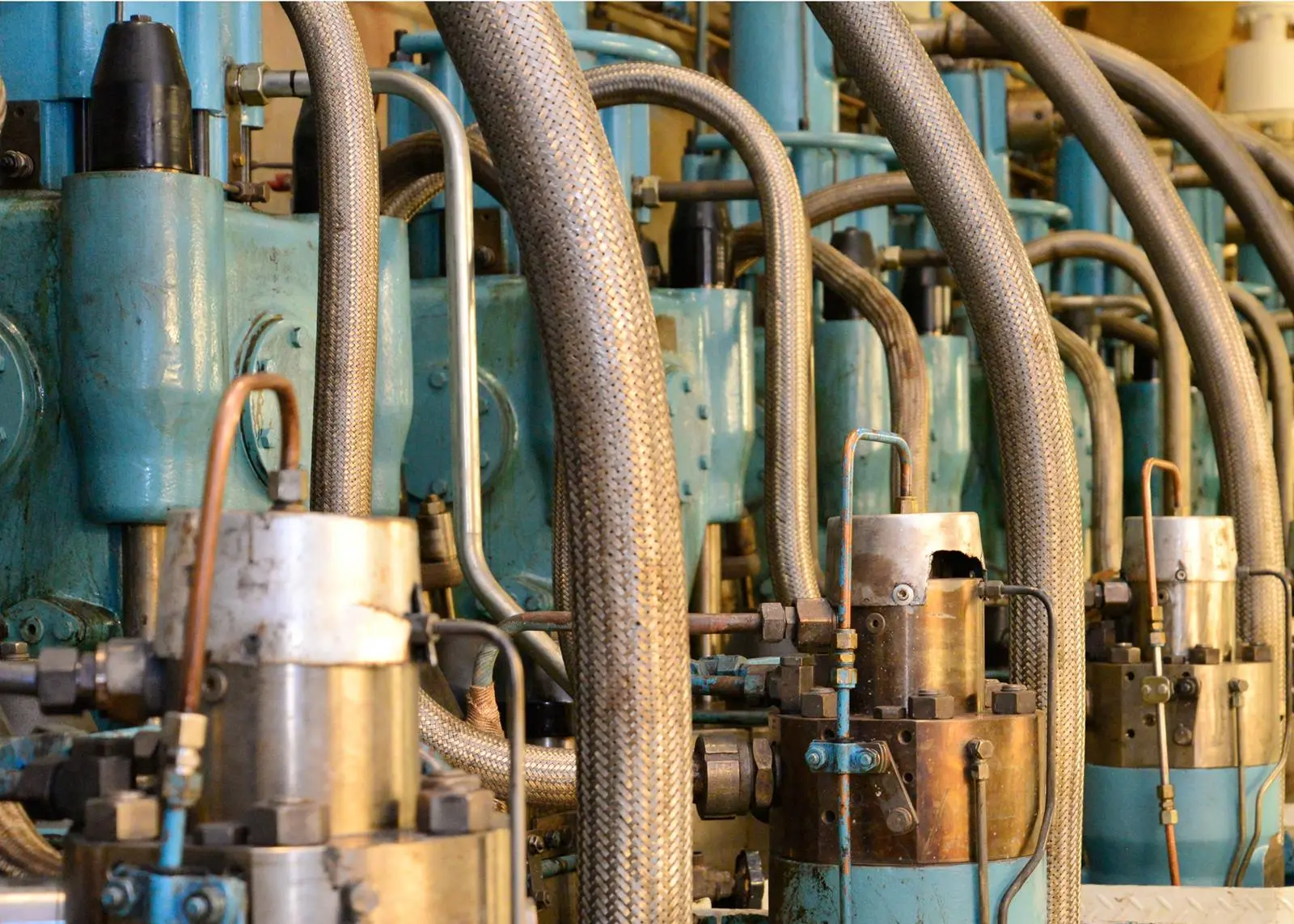
The club’s ‘Main Engine Damage’ report notes that of 1,051 hull and machinery (H&M) claims in 2012-2014 – spanning a total of 5,467 vessel years – 487 were claims for machinery, of which 118 dealt with the main engine.
Major causes of damage to the main engine include contaminated lubrication oil; absence of experts at major overhauls; using contaminated bunkers; not operating purifiers to manufacturers’ instructions; not overhauling engine components to manufacturers’ instructions; and crew with insufficient experience or training.
The club said: “The costs cited understate the true scale of the problem, as claims falling below the deductible tend not to be brought to the club’s attention.”
The proportion of machinery claims has fallen from around 50% in the club’s first survey, covering 2005-2011, to 46% in its most recent survey. But the proportion on a cost basis remains unchanged, with machinery representing 37% of total H&M claims.
Analysis of machinery claims in 2012-2014 reveals that the average cost of all claims on all types of machinery has declined compared to the previous period – notably for propulsion equipment (including propellers, shafts and gearboxes), down by 37%, and rudders and steering gear, down by 48%.
But main engine claim costs have not kept pace with the overall 19% decline in the cost of machinery claims. While the average cost of main engine claims have fallen by 14%, to US$545,000, the proportion of claim costs represented by main engines has grown from 30.4% to 34.3%.
Interestingly, container vessels are overrepresented in H&M claims, representing 37% of vessels entered in the club but 46% of all claims, with a similar proportion of main engine claims.
“It can be concluded that container vessels are therefore particularly exposed to main engine claims,” the report noted. “Conversely, bulker and tanker vessels are underrepresented in the hierarchy of total main engine damage claims costs. Dry cargo vessels have the highest claims per insured vessel value.”
Examining claims by the country in which vessels were built, it was noted that Korean-built vessels make up 31% of the club fleet but amount to only 12% of main engine claims cost. China on the other hand represents 30% of the club entries and 36% of total main engine claim costs.
The club membership consists predominantly of vessels with low-speed engines, which are the subject of proportionally fewer main engine claims than their medium- and high-speed counterparts. One band of low-speed engine manufacturers (the identity of manufacturers is withheld by the club) represents 57% of all vessels but only 40% of claim costs, while other low-speed engine makers are slightly overrepresented in claim costs.
In terms of engine parts, the most common individual component subject to an insurance claim is the camshaft, with an average claim cost of US$1.05 million. Bearing claims (including camshaft) are the most expensive individual component claim, at an average of US$1.6 million – a cost that has grown by 110% compared to the previous survey period.
Incorrect maintenance or repair is cited as the most common cause for main engine claims (33 incidents) followed by fuel management (27) and lubrication failure (23). Of these, lubrication failure is by far the most costly, at an average of US$1.19 million per claim.
Recommendations to avoid main engine claims included regular inspection of lubrication oil quality, use of only authorised spare parts and replacing the diaphragm sealings of crank case lube outlets at regular intervals.
The club said: “A great deal of engine damage is related to insufficient management systems. It is essential that crew members have the necessary experience to ensure that ordinary daily work and maintenance is performed in accordance with company procedures. However it is of utmost importance to carry out comprehensive audits and inspections to prevent management plans from being compromised.
“Insufficient reporting and follow up work is a major problem at the management stage. It is highly recommended that members have a PMS [planned maintenance system] which is approved by a classification society and well-implemented both onboard and ashore, with annual controls put in place by the classification society to achieve best possible results.”
The full report can be downloaded here. Claims concerning individaul engine manufacturers is available on request to club members.
Related Articles
 PROPULSION
 GENERAL NEWS
 GENERAL NEWS