



Synthetic EALS Linked To Increase In Stern Tube Seal Failures: Report
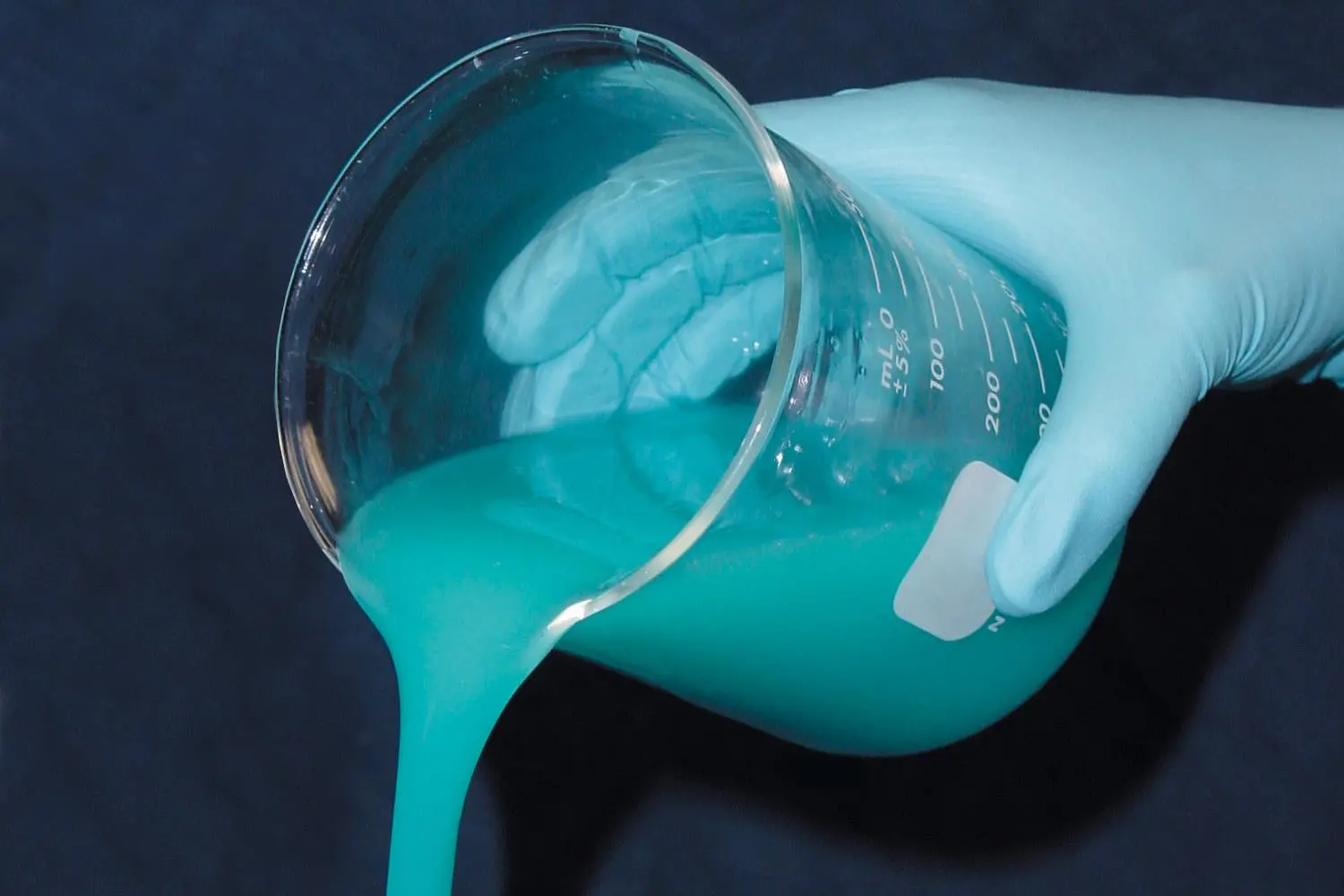
According to Gard, the increase in the number of seal failures directly correlates with the increase in the use of approved synthetic lubricants – these lubricants are among those in compliance with US EPA regulations.
Gard’s research, published in October 2023, has taken a deep dive into the data around the shaftline damage claims it has processed over the last 10 years. Its research shows that as many as 80% of the incidents Gard investigated involved stern tube seal failures where an EAL was in use.
Seawater-lubricated bearings supplier Thordon Bearings welcomed the report. Craig Carter, Thordon Bearings’ VP of Business Development, noted: “It appears that the introduction of a synthetic EAL as a means of mitigating the risk of mineral oil pollution has had unforeseen consequences. Seawater alone is the only 100% pollution-free means of lubricating a ship’s propeller shaft bearing.”
Gard’s research has suggested that one reason for the seal failure hike (and consequent increase in insurance claims) is based on the chemical composition of synthetic EALs, which, while being environmentally preferable to the mineral oils that are being phased out, are typically inferior in performance.
Gard cites a 2019 study by DNV which discovered that two key features of EALs set them apart from the traditional mineral oils widely used before 2013: viscosity and pressure coefficient.
Under high load operations, such as hard turns at high speeds, EALs can operate with a lower safety margin of the minimum oil film between the propeller shaft and the bearings. Secondly, EALs typically operate with lower viscosity under lower temperatures, in situations like mooring trials and cold start-up.
Touched on by Gard, there have also been countless reports in the international trade press suggesting that the increased incidences of discarded fishing nets or rope are adding to the aft seal damage of oil-lubricated shaftlines.
“This research from Gard underscores our own findings that the most environmentally acceptable lubricant is seawater as was recommended by the US EPA in the Vessel General Permit (VGP)” said Carter, who added that Thordon’s open seawater-lubricated propeller shaft bearing system, COMPAC, eliminates the need for the aft seal.
Related Articles
 ALTERNATIVE FUELS & LUBRICANTS
 GENERAL NEWS
 GENERAL NEWS