



To market, to market…
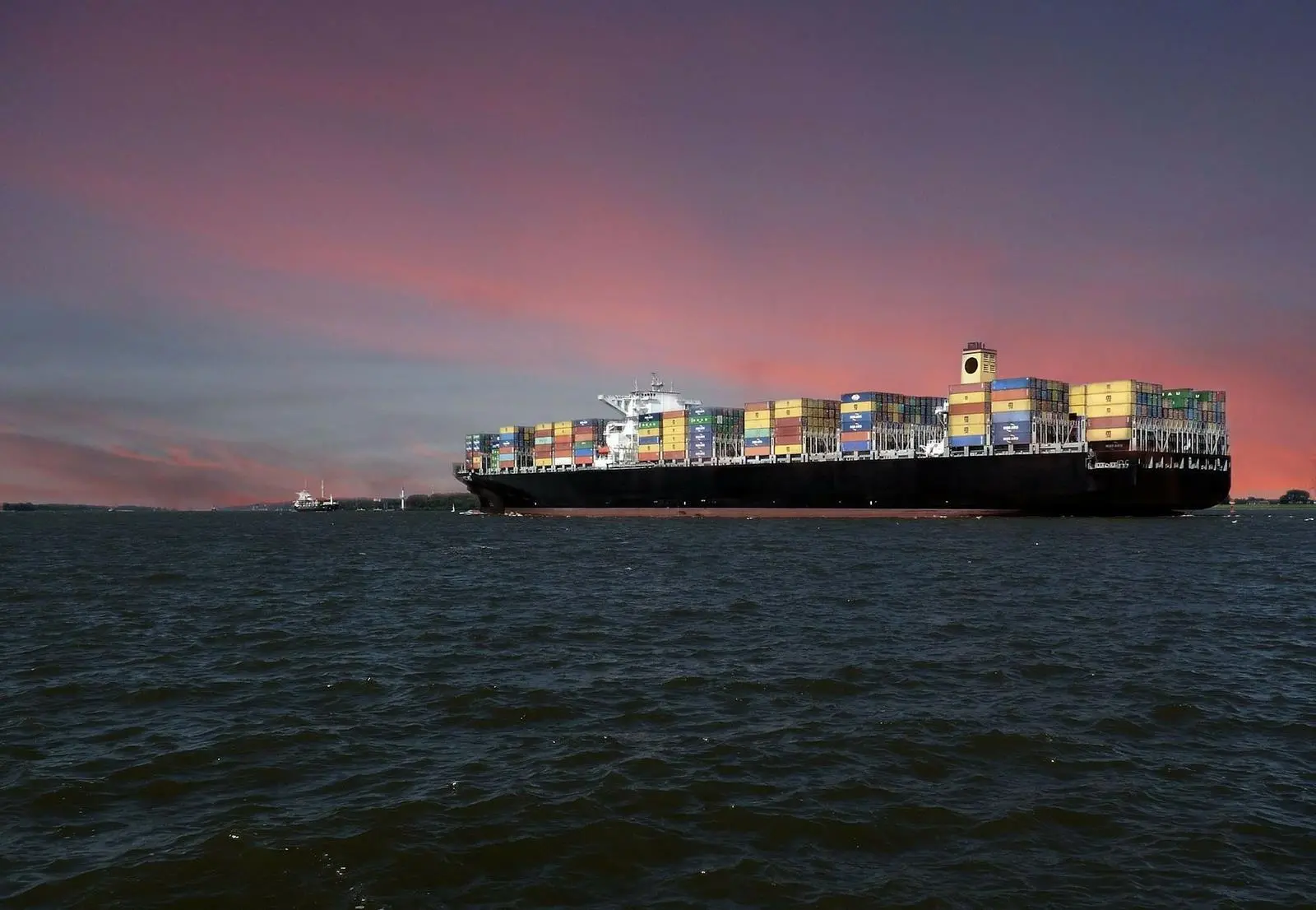
“There is now more pressure on IMO than ever before to adopt some kind of market-based-measure,” says policy analyst Aki Kachi of the NewClimate Institute.
But could the industry once again swerve away at the last moment? After all, despite discussions moving a long way toward market based measures (MBMs) back in 2011, the big lobbies still managed to sideline talks, successfully pushing IMO into settling for goal-based EEDI and SEEMP regulations alone.
However, times have changed and there are “new forces” in play both inside and outside IMO, says Sam Van den plas, Carbon Market Watch policy director.
Both Kachi and Van den plas point to a hardening of the European Union’s position. Confirmation of Ursula von der Leyen’s role as EU president was partially based on her willingness to bring shipping into the EU’s Emissions Trading System “if there’s no real progress at IMO before 2021” explains Kachi. And ‘real progress’, he underlines, will likely have to go further than goal-based rules.
Still, a push from within inside the EU for an MBM will not be to everyone’s liking. Could naysayers such as Greece, Cyprus and Malta derail Europe’s strategy, despite support from France, Belgium and others? “I think the policy process will still move forward if there’s a qualified majority in the EU council,” says Kachi.
Given this, IMO could even shrug off its usual glacial slowness and react comparatively quickly to the EU’s threat he says, as “it still has the option of ‘gavelling in’ measures” over the opposition as recent sulphur regulations demonstrate.
This brings us to pressures inside IMO: there are a growing number of countries investing heavily in alternative energy and, as a result, switching sides in the debate. China – the world’s second largest economy – has signalled that like Korea and Japan, it’s looking at building a ‘hydrogen society’. Others such as Germany, France and Italy have also committed to giving green hydrogen a starring role in their energy mix.
Then there’s the wide range of industry stakeholders represented at the MEPC meetings who are eyeing the opportunities: “Some – like Japan – are quite excited about the market potential for developing technologies. And Danish owners in particular tend to be very ambitious and have newer vessels, seeing an advantage in having less efficient ships squeezed out,” Kachi explains.
Into this mix come the vulnerable, low-lying nations which are gathering together to ensure their point is felt, the Solomon Islands and Marshall Islands especially insisting that shipping plays its part in curbing global warming to 1.5C in order to protect their future.
SHORT TERM STRATEGY
Despite all this, “don’t just discount the short-term measures discussed at the November Intersessional Working Group”, says Van den plas.
These cover a number of proposals including stretching the EEDI to embrace existing ships. “It’s not an ‘either-or’ argument as we need a range of policies to give us the necessary GHG reduction … a carbon price, while favoured by economists, would still not immediately deliver,” he underlines.
One proposal that will not be taken forward is a plan to introduce prescriptive operational speed restrictions, which was discussed and rejected, a UK Chamber of Shipping source confirmed.
Van den plas points to IMF studies which indicate a carbon tax of US$75/tonne of CO2 in 2030, would only bring maritime CO2 emissions below business-as-usual levels by around 15% in 2030: if they were set to double by 2040, carbon savings would still only rise to 25% given the projected uptick in trade.
However, revenues would reach about $75 billion in 2030 and $150 billion in 2040, and reinvestment in technology “would create a virtuous cycle” potentially reaching beyond the immediate effects of the tax, he explains.
Most importantly, Van den plas believes the reception of short-term mitigation measures at the November meeting should signal “IMO’s readiness” to once more take the bull by the horns.
Certainly, economist Tristan Smith of UCL says “there is a lot going on behind the scenes waiting for the right moment”.
So, what is the right moment? “I expect that there will be several submissions on the subject at IMO MEPC 75 and we will restart the discussions then,” says Smith, although he adds that despite the growing pressure “it could still be a soft start because the negotiations last time were very difficult and everyone is nervous because of that”.
Related Articles
 METHANOL
 MONITORING, CONTROL & DIGITALISATION
 MONITORING, CONTROL & DIGITALISATION