



Tokyo MoU state controls highlight hatch cover maintenance issues
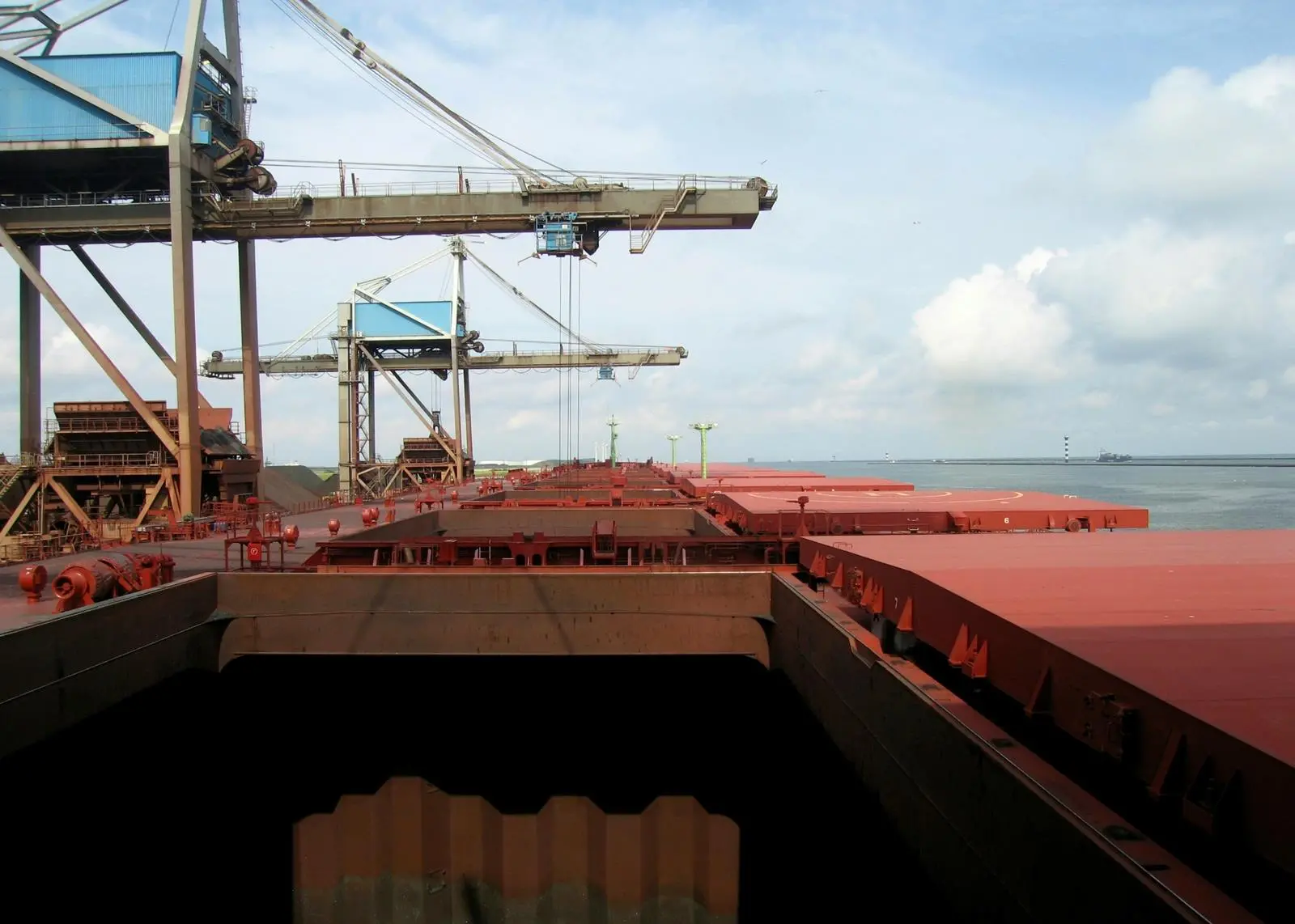
According to CCS group director Peter Peltenburg, the initiative should be welcomed by the industry. “We cut corners on maintenance at our peril. As the economic downturn bites the industry has seen a shift to lower quality products, and a less systematic approach to scheduled maintenance. This is false economy, and the results of this campaign show that ship owners are ultimately paying for these short cuts.”
The state inspection campaign, supported by Tokyo MoU, revealed a large number of vessel deficiencies relating to cargo hatch openings, and reported one casualty during the campaign period.
“Whilst operators are aware of the need to keep cargo in good condition, it’s all too easy to overlook the fact that hatch covers are essential to protect and keep the structural safety of a vessel,” Mr Peltenburg adds. “There have been a number of vessel losses known which were due to the loss of the weathertight integrity of the hatch covers. Some include human casualties.”
About a third of all P&I claims are cargo-related. Many of these cases are related to ingress of seawater via the hatch covers of dry cargo vessels. Several P&I clubs say that reports of leaking hatch covers are the most frequent cause for selecting a vessel for an unscheduled condition survey.
“Increased investment and attention to hatch cover maintenance and repairs may save the shipowners’ money from cargo claims,” explains Mr Peltenburg. “It’s a simple calculation, but one which is so often overlooked. We need a report like this to remind us that seemingly minor short cuts in maintenance can lead to major problems.”
Related Articles
 ALTERNATIVE FUELS & LUBRICANTS
 GENERAL NEWS
 GENERAL NEWS