



Turbocharger concepts out in force at CIMAC
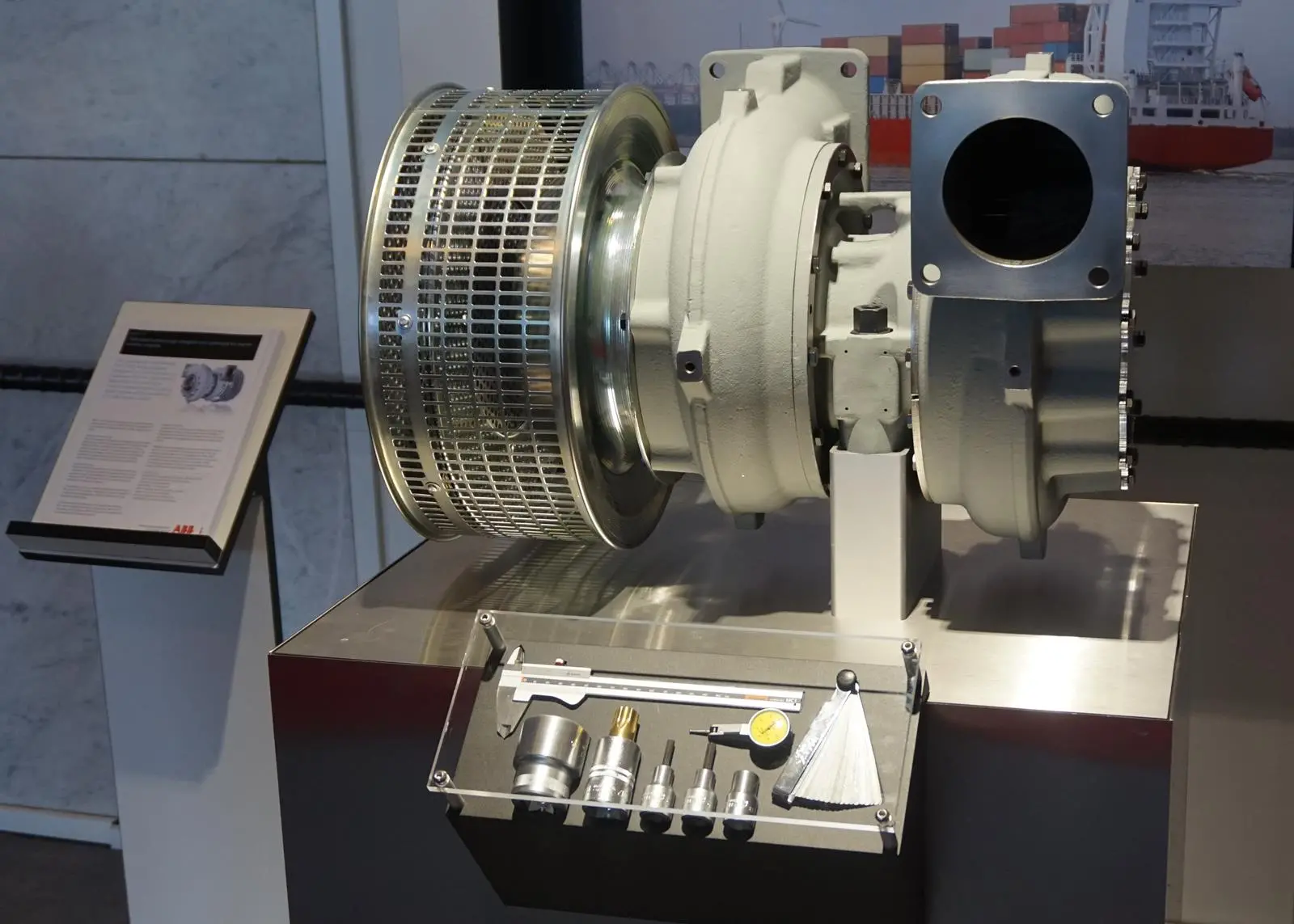
The tri-annual engine industry meeting, taking place in Helsinki this week, featured two full sessions on turbochargers, with five companies – ABB Turbo, Kompressorenbau Bannewitz (KBB), MAN Diesel & Turbo, Mitsubishi Heavy Industries and Wärtsilä all presenting solutions or research findings.
ABB Turbo presented on its recently launched Power2 two-stage turbocharger and Valve Control Management system in an afternoon session dedicated to two-stage turbocharging. Joining the Swiss specialist were KBB, which launched its own two-stage solution, K2B, in 2014. And Wärtsilä discussed its experience of two-stage turbocharging over the last six years, culminating in the system employed on its high efficiency Wärtsilä 31 medium speed engine, launched at Nor Shipping last year.
While two-stage turbocharging offers potentially big advantages in power output and efficiency, it remains a niche application – particularly for large, slow-speed marine engines. Although manufacturers insist maintenance is no more onerous than for single-stage units, questions from the conference floor suggest that perceived complexity is dissuading ship operators. But that viewpoint may shift as NOx limitations become more widespread and the EEDI places even greater limitations on installed power.
In the morning session, traditional single-stage units were the focus, albeit in several new incarnations. Mitsubishi Heavy Industries presented a new generation turbocharger featuring exhaust gas bypass and variable inlet timing; MAN updated delegates on the development of its electrical turbo blower series, with a two-stroke version to be launched shortly; and ABB Turbo presented two solutions, one for large, high-speed diesel engines and another designed specifically for marine auxiliary generators.
Turbocharger manufacturers are focusing on three fronts: reduced footprint/increased power density; better performance at part load; and reduced lifecycle costs via enhanced ease of service and modular components. ABB Turbo’s MXP turbocharger for auxiliary engines epitomises the latter two design challenges – it is optimised for engine loads of 40%-60% and features a condition-based maintenance platform that eases servicing for ship crew.
Another highlight of the day was a session on the first LNG-powered icebreaker, designed by Aker Arctic and built at Arctech Helsinki shipyard. The vessel, Polaris, features Wärtsilä LNG engines and ABB electric azimuthing pods, with the hybrid system enabling it to overcome the dynamic response challenges associated with LNG engines to reach the power peaks required for icebreaking.
Further details of the above concepts, and live highlights for the rest of the CIMAC Congress, can be read here.
Related Articles
 PROPULSION
 GENERAL NEWS
 GENERAL NEWS