



Type approval for Coldharbour Marine BWM
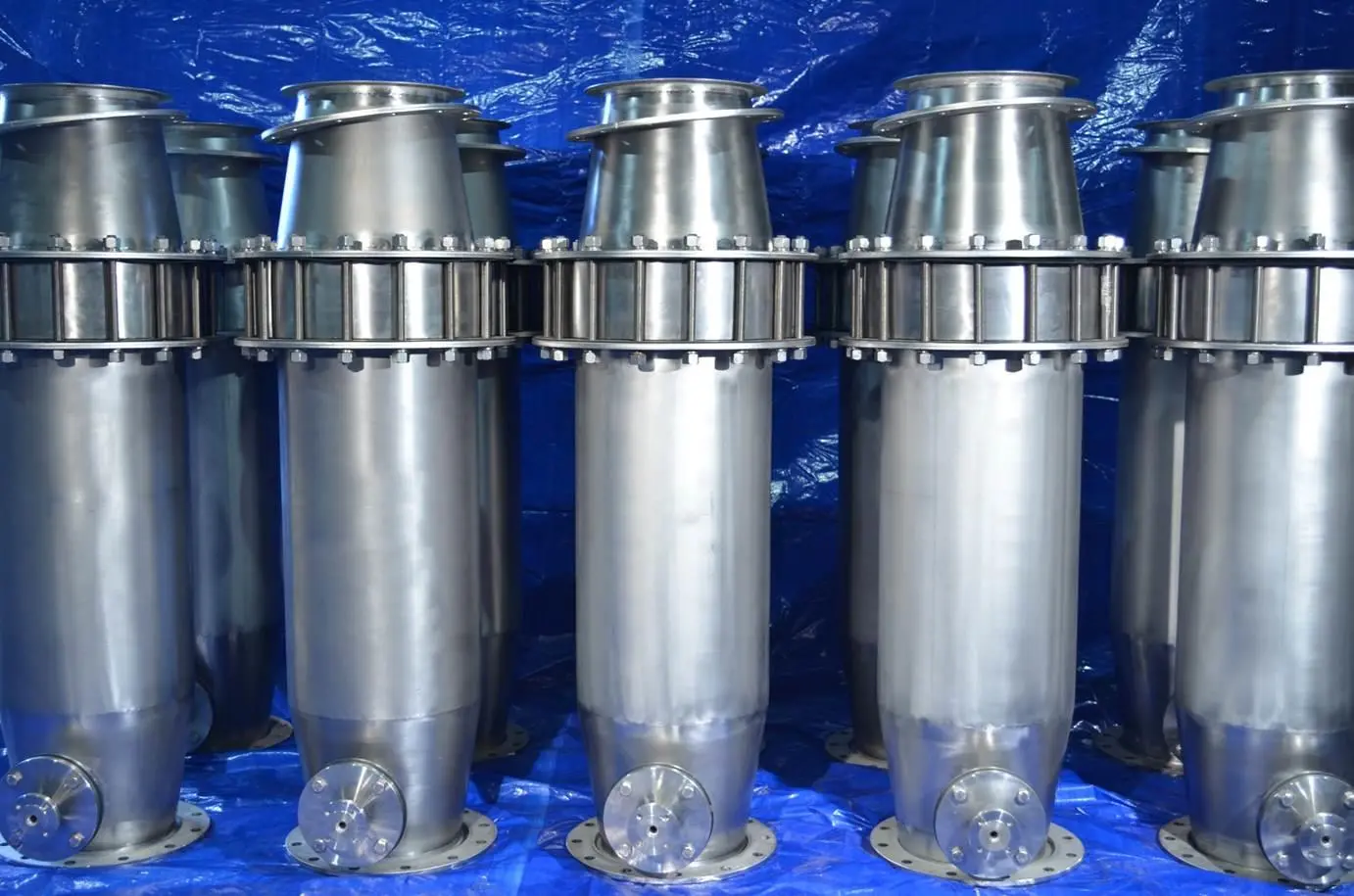
Coldharbour said that its innovative ‘in tank-in voyage’ approach offers significant benefits for operators of large tankers, LNG carriers and large crude carriers, which typically carry thousands of tonnes of ballast water that cannot readily be treated by two step BWMS relying on filtration followed by electro-chlorination or UV disinfection.
Andrew Marshall, chief executive, Coldharbour Marine, said: “We are now looking at USCG AMS approval and, because of the additional effort we invested in our UK MCA/IMO testing, we believe we are very well placed to move forward to full USCG Type Approval within a reasonable timeframe.”
Because the system has no filtration, no connection to the ballast pumps or ballast lines, it is immune to pump flow rates, pressure losses, power shortages and, perhaps even most importantly, zero disruption during cargo and ballast operations – including gravity ballasting and deballasting.
Furthermore, by treating ballast water during the voyage, which can be up to 30 days for tanker operators, the risk of regrowth is eliminated.
Coldharbour’s GLD BWMS is a space saving, in-tank solution. A Coldharbour Inert Gas Generator (IGG) is linked to GLD units mounted inside each ballast tank and it uses natural fluid dynamics to stir the ballast water ensuring thorough treatment.
Related Articles
 ALTERNATIVE FUELS & LUBRICANTS
 GENERAL NEWS
 GENERAL NEWS