



Update on recent Houston bunker contamination issue
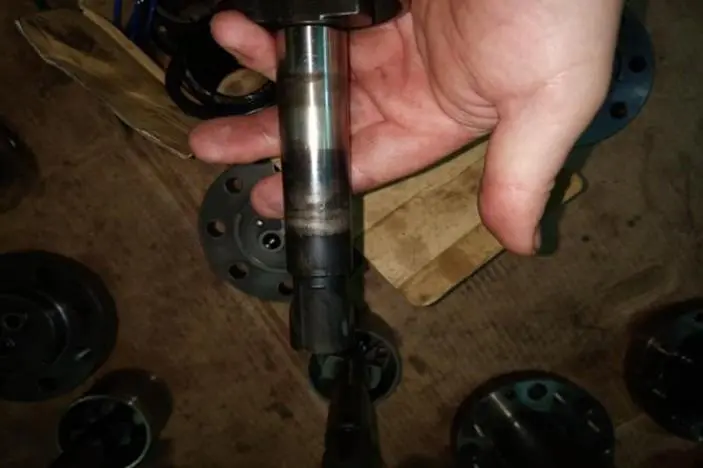
At that time, VPS warned that it has detected the presence of Dicyclopentadiene (DCPD) isomers at significantly high levels in VLSFO bunker fuel deliveries in Houston, which had caused fuel system and engine problems. The contaminants were detected using in-house GC-MS (Gas Chromatography – Mass Spectrometer) analytical methodologies.
Initially, VPS highlighted 11 vessels had suffered operational issues, such as loss of power and propulsion whilst at sea. These effects resulted from fuel leakage in the ICU (Injection Control Unit) units and fuel pumps not being able to develop the required fuel pressure, affecting only the auxiliary engines and not the Main engines. The contaminated VLSFO had been delivered in Houston, by one single fuel supplier.
Four weeks later, VPS can now provide a further update on the spread of this fuel contamination issue: 14 vessels, in total, have now received this contaminated fuel and suffered some form of damage to their auxiliary engines and fuel delivery systems. Twelve of the vessels received their fuel in Houston, whilst a further two vessels received their fuel in Singapore, with the fuel delivered by four suppliers.
The specific contaminants are:
- Di-hydro dicyclopentadiene – Chemical CAS Number: 448-57-7
- Tetra-hydro dicyclopentadiene – Chemical CAS Number: 6004-38-2
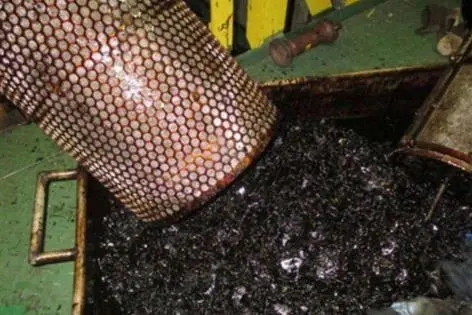
DCPDs are unsaturated chemical compounds which can polymerise and oxidise under certain conditions. However, the rate of this polymerisation process can be reduced by the presence of inhibitors that are typically found within fuel oil.
Should these compounds start polymerising, the fuel begins to exhibit a level of stickiness and become more viscous, making it difficult for moving components, such as fuel pump plungers and the fuel injector spindles to move freely. These effects cause damage to the fuel injection system. Over a period of time excessive sludge formation is likely to be experienced.
The DCPD compounds that were detected in this fuel ranged from 3,000 to 7,000 ppm (0.3-0.7%) per delivery.
VPS employed its own proprietary GCMS Vacuum distillation methodology to detect DCPD, in preference to the ASTM D7845, Standard Test Method for Determination of Chemical Species in Marine Fuel Oil by GCMS. The VPS methodology is capable of detecting and measuring the DCPD and its isomers, whereas the ASTM D7845 methodology is limited to detecting only 29 chemical contaminants, which does not include DCPD species.
32 vessels received contaminated bunkers
In addition to the 14 vessels that suffered damage from burning this fuel, a further 18 vessels that had received the contaminated fuel from 13 additional suppliers either reported no adverse reactions, or simply failed to provide any feedback regarding any damage.
In total, the volume of contaminated fuel delivered to the 32 vessels, was 61,494 metric tonnes.
Three vessels de-bunkered the contaminated fuel prior to burning, following a “Caution” result from the VPS Chemical Screening service, highlighting the value of this pre-burn service.
A further three vessels de-bunkered the fuel after suffering initial engine damage from burning the fuel. Whilst another two vessels burnt the fuel in their main engines without issue after switching it from their auxiliary engines, where it had caused operational damage.
Related Articles
 CONVENTIONAL FUELS & OILS
 ALTERNATIVE FUELS & LUBRICANTS
 AMMONIA