



USCG issues fuel quality safety alert
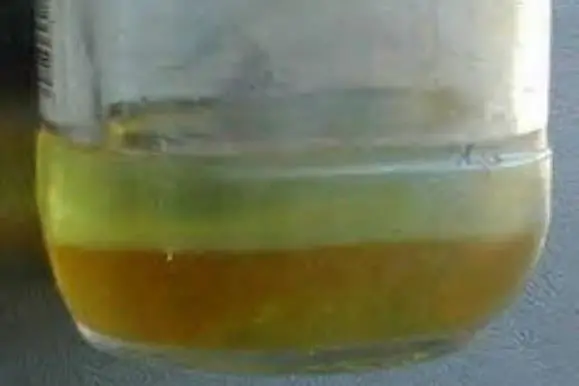
The incident occurred while the vessel was operating on the Mississippi River. The loss of propulsion occurred approximately three hours after getting underway and about 3.5 hours after receiving fuel from a shore-side facility.
An investigation into the causal factors revealed that the vessel’s fuel tanks and fuel service system to the engine were heavily contaminated by water. The amount of water contamination was so significant that the vessel’s engines initially suffered a reduction in power and eventually shut down completely, resulting in a total loss of propulsion.
No significant damage was caused to the vessel and no one was injured as a result of the shut down.
The USCG strongly recommends that vessel owners and operators:
• Ensure that fuel supplies (bunkers) meet the engine manufacturer’s specifications for important parameters such as viscosity and cetane number, as well as any regulatory requirements such as flash point and sulfur content.
• Include regular fuel oil sampling and testing from service tanks as part of a periodic maintenance system.
• Ensure that fuel filters are of the correct flow rate and filtration (micron) rating, and that an adequate supply of spare filters is kept onboard.
• Consider the use of duplex filter systems to enable switching from clogged to clean filters, as well as the use of filter differential pressure gauges to monitor the condition and cleanliness of the filter element.
• Consider the use of a water sensor in diesel tank or filter system to monitor water content in fuels. These sensors may be combined with displays and alarms to indicate excessive water and are generally more effective at detecting rising water content than periodic manual sampling.
• Ensure that a means is provided, usually by a valve and piping arrangement, to periodically sample the fuel being received during bunkering.
• Have a plan in place to recover from any engine shutdown that occurs because of water contamination in fuel. Fuel severely contaminated by water or other impurities has the potential to cause damage to the engine in a number of ways, including subsequent contamination of the lubricating oil system.
Casualty investigators, marine surveyors and inspection personnel are encouraged to maintain an acute awareness to these issues and initiate corrective actions as needed.
Related Articles
 CONVENTIONAL FUELS & OILS
 ALTERNATIVE FUELS & LUBRICANTS
 AMMONIA