



Used oil analysis for continued reliability
Slow steaming has been shown to encourage corrosion inside the cylinders, due to several factors, but principally internal engine temperatures falling below the dewpoint which encourages formation of sulphuric acid. This, of course, is easily countered by use of a more alkaline (i.e. higher base number) lubricating oil. But if the oil is too alkaline, it is likely to encourage deposit formation and poor lubrication, leading to increased wear.
It is a similar story when using fuels with low sulphur content, such as those mandated in ECAs. The lack of sulphur in the fuel demands the use of a less alkaline lubricant in order to prevent deposits and cut the risk of undue wear.
For these reasons, the engine designers say that oil condition monitoring – which has always been regarded as desirable – is now essential. And, for two-stroke engines, the engine builders and oil suppliers agree that monitoring should be carried out onboard ship when varying fuel types are used an/or varying load conditions encountered. This is particularly so for ships which may spend some time slow steaming, with other parts of the voyage undertaken closer to full load, and which may take on bunkers several times at different ports on each trip, bunkering fuels of different sulphur content, as well as changing fuel when entering or leaving ECAs.
Two vital parameters to be considered when monitoring cylinder lubricants are the presence of ferrous particles – indicating wear – and the residual base number of the oil, to check that alkalinity is at the right level. But analysis of scrape down oil has another vital function, proving that the feed rate is correct. Obviously, too low an oil feed rate is likely to cause increased wear, but too high a feed rate can be equally harmful to the engine, as well as wasteful. No ship operator wants to overspend on lubricants.
The need for regular analysis is arguably less vital for four-stroke engines than for two-strokes, but four-stroke crankcase oil has to perform a similar function to both cylinder oil and system oil in two-strokes so it too has to be correctly matched to the fuel type and running conditions. Generally, however, laboratory analysis of crankcase oil is considered sufficient.
Laboratory analysis services are provided by most of the major oil suppliers as well as many independent companies, and several oil companies and independents are able to offer onboard testing kits and equipment.
Chevron Marine Lubricants considers its used oil analysis services to be the most comprehensive available. FAST (fluid analysis service and testing) is the name of the product, for all onboard lubricants as well as engine oils, available via the company’s laboratories in Ghent, Belgium, while the DOT.FAST service combines laboratory testing with an onboard analyser to give an even earlier warning of any potential problems. Chevron recommends checking onboard samples at least every two weeks, or when changing to a new batch of fuel oil.
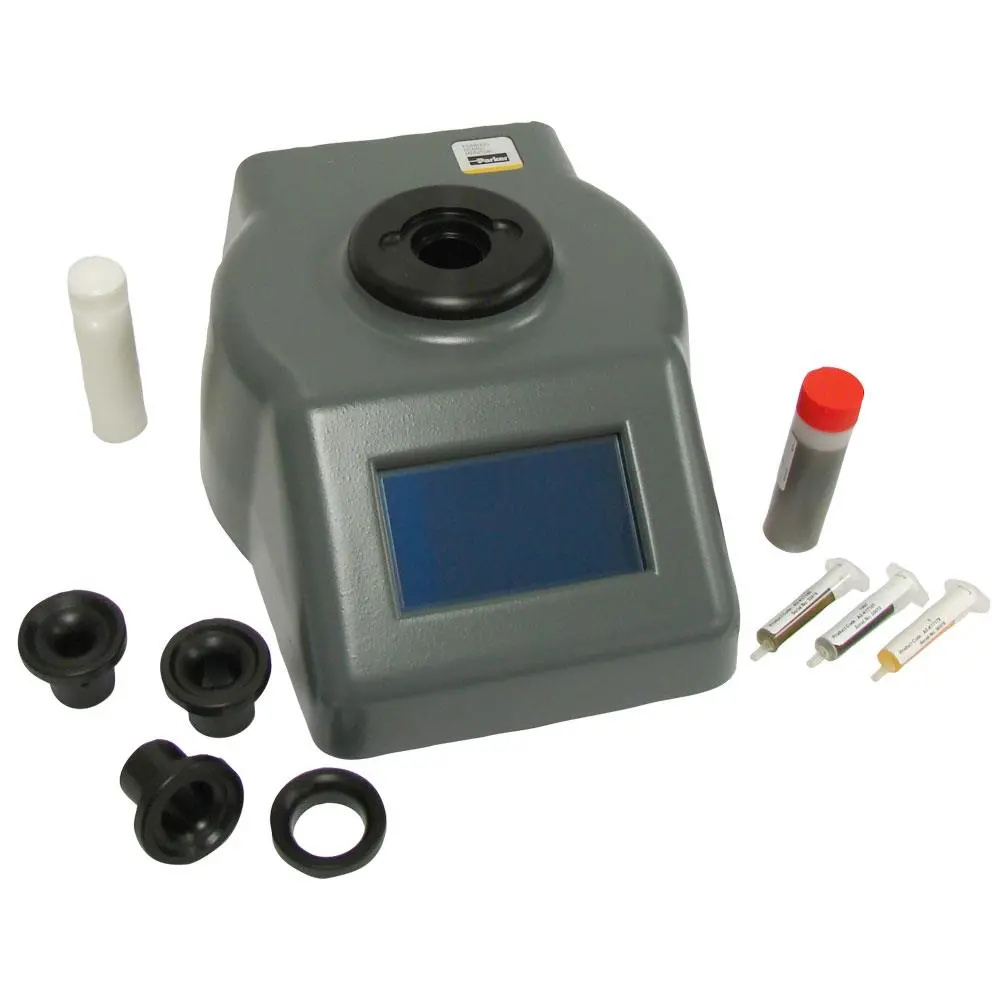
Onboard analysis equipment is available from companies such as Parker Kittiwake, which as well as supplying kits and analysers direct to end users, supplies equipment to a number of oil companies. Among the company’s analysers is the Analex range of debris monitors, designed to measure ferrous wear metal particle contamination in oil sampes, using inductive coil magnetometry techniques.
Related Articles
 PROPULSION
 GENERAL NEWS
 GENERAL NEWS