



Vancouver targets zero-emissions by 2050
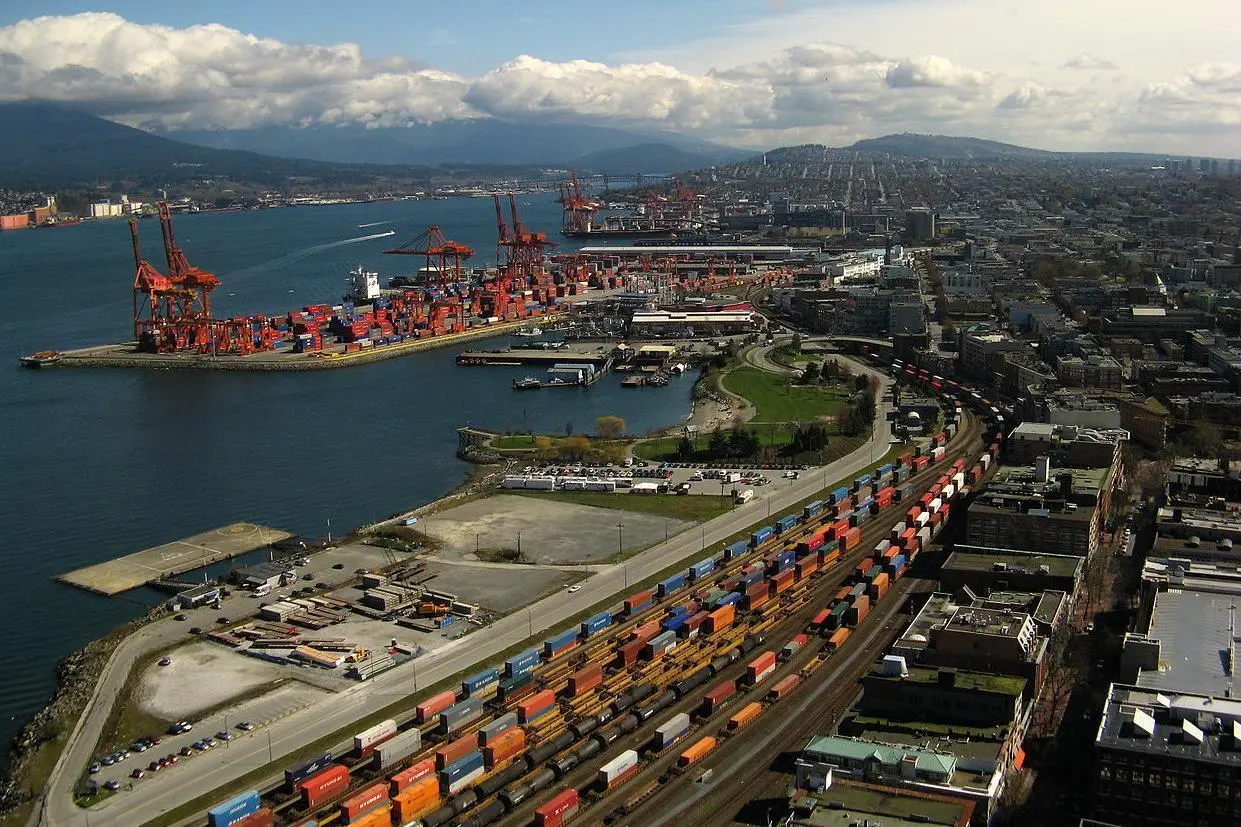
The move by the Vancouver Fraser Port Authority, together with partners from across the port community, is part of the port authority’s efforts to phase out all port-related emissions in support of the Government of Canada’s goal to achieve net-zero emissions by 2050.
“Charting our course towards a zero-emission port starts with collaborative efforts like these, between the port authority, the port community, and government, to test innovative new low-emission fuels and technologies that reduce emissions while keeping trade moving through the Port of Vancouver,” said Robin Silvester, president and chief executive officer of the Vancouver Fraser Port Authority.
“We plan to continue taking tangible steps, in close collaboration with our partners across the port, towards our goal of phasing out all port-related emissions by 2050.”
Joint initiative
Through the Low-Emission Technology Initiative, a joint initiative between the port authority and the Province of British Columbia, the port authority and the province have each committed CAN$1.5 million in funding to support the port community’s transition to low-emission energy, including the testing of battery-electric-powered terminal tractors; 100% biodiesel on commercial ferries; a hydrogen-powered crane; and 100% renewable diesel on a terminal locomotive and one of the port authority’s patrol boats.
Efforts to test low-emission fuels include a six month trial of 100% renewable diesel on one of the port authority’s patrol boats, the Takaya, making the port authority the first federal agency in Canada to run a vessel on 100% renewable diesel.
Renewable diesel is a non-fossil fuel energy source derived from a range of organic sources such as vegetable oils, animal fats and food waste. The port authority said that using renewable diesel can result in up to 80% less net greenhouse gas emissions than regular diesel on a life-cycle basis.
Shell Canada, a partner on this project, supplied the renewable diesel and provided significant technical expertise to the project.
Related Articles
 ALTERNATIVE FUELS & LUBRICANTS
 GENERAL NEWS
 GENERAL NEWS