



Yaskawa eyes new blower growth areas
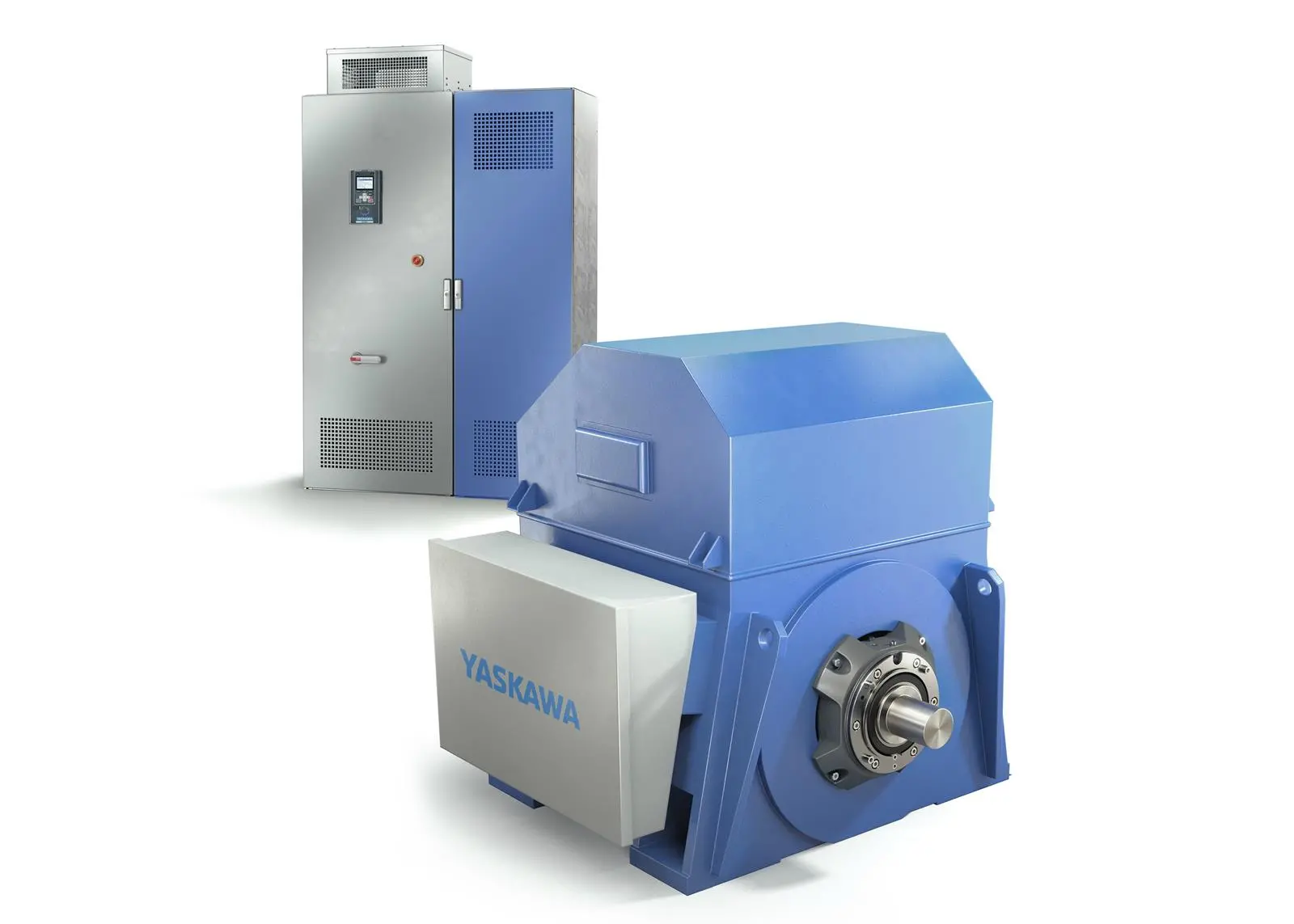
The Switch, now known as Yaskawa, has based the latest technological developments of its solid rotor motors on its tried and tested products that it has developed over the years working with other companies.
With pressures coming on the maritime industry to ‘green’ its profile, a host of innovative solutions have reached the market. The Switch believes it can play an important part in some of the new ideas, such as air lubrication and exhaust gas recirculation (EGR) technology.
The Switch sees air lubrication as an application that would benefit from its product range. Mikko Lönnberg, director of product management and marketing, The Switch, explains that: “We see a market for the air lubrication of vessels. For the air bubble mattress you need a compressor or a blower to create the bubbles along the hull.” Lönnberg highlights that The Switch is talking to a number of companies that are developing this technology.
Lönnberg notes that the company’s latest range of motors has been developed through long-term development working with other customers in the market. Tighter environmental regulations, which are now starting to impact all industries, have also played a role in driving its products’ development, as more efficient, lighter and reliable technology is now needed.
One of these developments has been with MAN and its EGR, the electrical turbo blower ETB40, which features a efficient blower wheel, optimised for low pressure ratios. Lönnberg adds that using high-speed motors can lead to new solutions being developed, such as in this case. The blower is a core component of MAN Energy Solutions’ high-pressure EGR system that raises the exhaust-gas pressure to overcome the pressure difference between exhaust gas and scavenging air receiver. In addition, the blower actively controls the recirculated exhaust gas flow during the EGR flow by varying the blower speed.
The new range of standardised motors looks to take away the gearbox element and also reduce the amount of space that the product takes up. This has been achieved by employing permanent magnet technology to the motors, allowing the motors to operate at higher speeds, whilst still being efficient.
The standard solid rotor motor is available from 100 kW to 600 kW of power and rotating speeds from 6,000rpm to 21,000rpm. Operating voltages range from 380V to 690V. The air- or liquid-cooled motor comes in three different frame sizes: 250, 315 and 355. The solid rotor motor and drive technology can be applied to both newbuild and retrofits, with Lönnberg adding that: “This will be interesting to see how it goes, as last year has seen mainly retrofits and this has been picking up a bit.” Whilst the standardised range is still in its early days, the company expects to see more uptake of its product as more demand comes from electrical systems onboard.
Related Articles
 OTHER EQUIPMENT
 LNG
LNG
 GENERAL NEWS