GTT proposes ballast water-free gas carrier
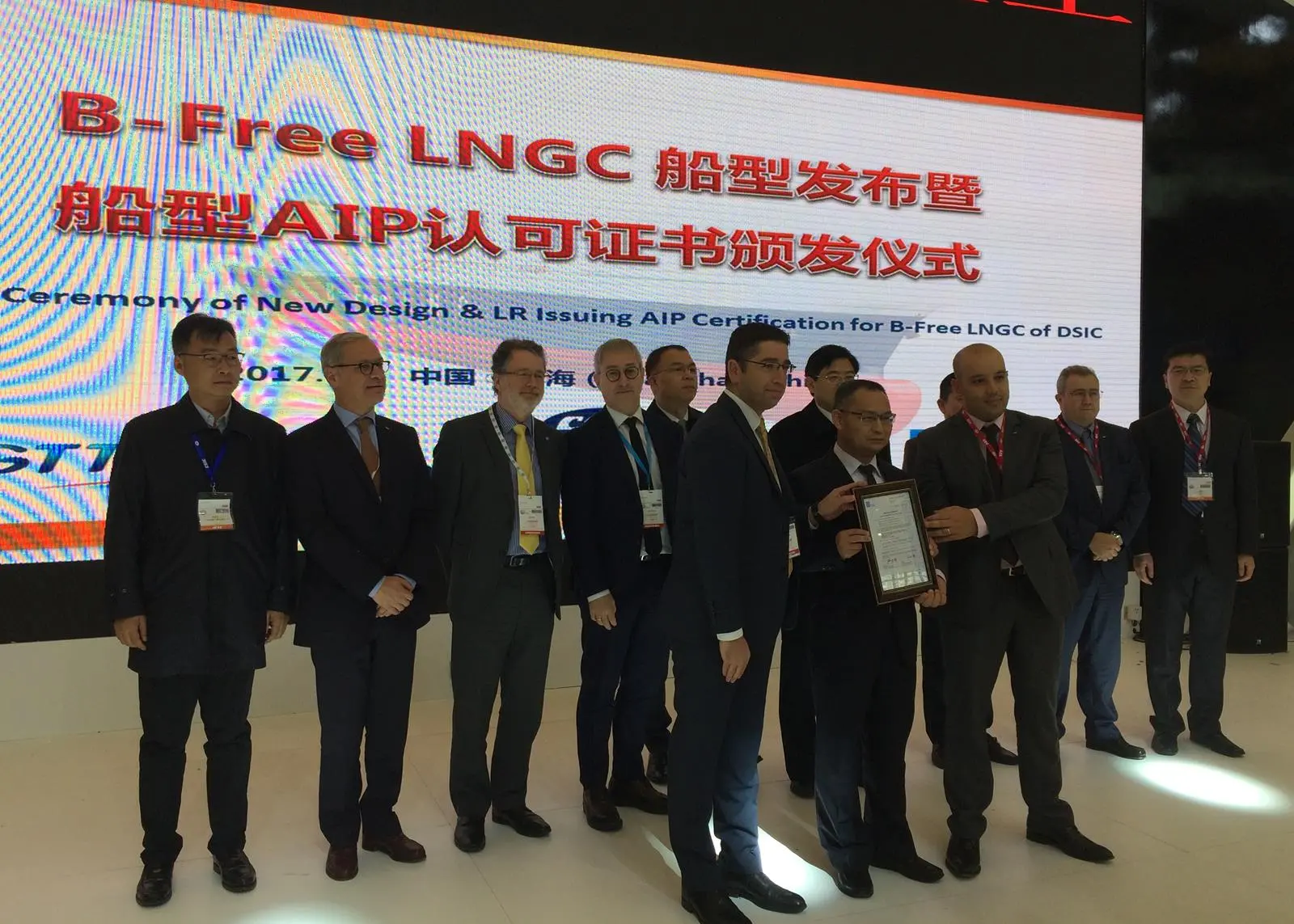
The B-FREE design by LNG containment specialist GTT and Dalian Shipbuilding Industry Co (DSIC) uses dual membrane tanks (as opposed to the conventional Type C tanks used on ships of a similar size) in order to improve space utilisation and boost stability.
A specially-designed hull form with a lower block coefficient (i.e., a sharper hull bottom) helps the proposed vessel sit in the water unballasted. The propeller has been reduced in diameter slightly compared to similar sized vessels to account the lack of ballast.
Ma Yingbin, vice chief engineer, DSIC, said: “While we are still in the initial stage of the project and the design is subject to ongoing change, the initial results are indicating that we will meet our goal of having a ballast-free ship that is equal to, or better than existing conventional designs.”
Savings in the building and operational costs are expected through the absence of a ballast water treatment system (and not having to comply with coatings standards for ballast tanks, ballast piping, pumps and values. Initial predictions also show lower fuel consumption compared to ‘standard’ designs as well as lower LNG boil-off due to the membrane tank.
David Colson, commercial vice president, GTT, said: “First results show that this ballast-free design has also introduced complimentary advantages such as a reduction in the number of cargo tanks, handling equipment, engine power, and more. We are excited to move forward with the next phase.”
Nick Brown, marine & offshore director, Lloyd’s Register, added: “This work builds on the joint development project we had [with DSIC] for a low-ballast very large crude carrier and also follows on from work to prepare for building LNG carriers using GTT membrane technology.”