Parker Kittiwake portable condition monitoring
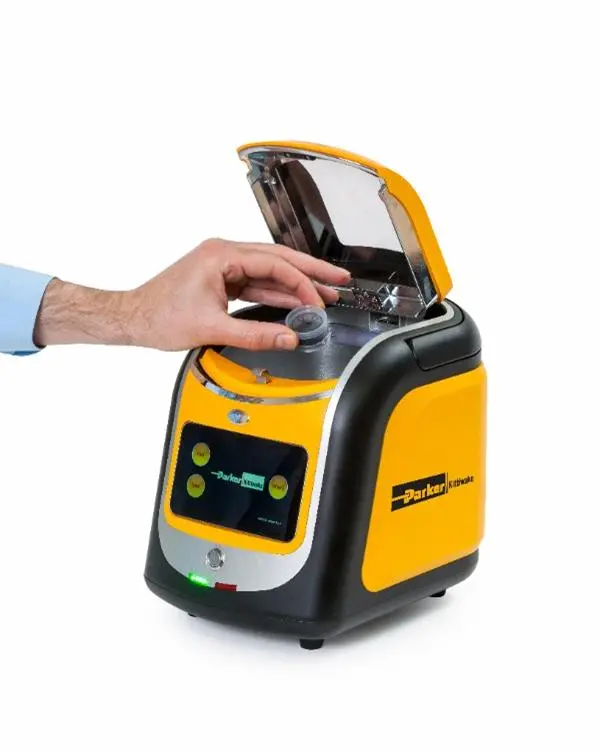
Because the X-Ray Fluorescence (XRF) Analyser is able to analyse small fuel sample in less than three minutes, shipowners and Port State Control (PSC) the ability to conduct laboratory-standard testing onsite, before non-compliant fuel is bunkered and before a vessel carrying non-compliant fuel leaves port.
“With significant confusion over the stipulations in the way sulphur measurements are made – for example it is possible for fuel to pass ISO 4259 commercial tests but fail against MARPOL standards – it is clear that both parties require easy access to the data they need to accurately check and prove compliance,” said Larry Rumbol, marine condition monitoring manager.
Quick analysis
Traditional methods for confirming compliance with sulphur limits rely on paperwork requirements such as the Bunker Delivery Note (BDN). This can significantly increase the risk of non-compliance and subsequent penalties for shipowners, but also exacerbate the environmental impact of burning fuel with a higher sulphur content.
In addition, the delay incurred by laboratory analysis creates the risk that the vessel may have left port with non-compliant fuel onboard, or may require non-compliant fuel to be de-bunkered and compliant fuel re-bunkered, incurring significant delays and additional cost.
The XRF Analyser aims to tackle these problems. It allows fuel to be easily sampled at any stage of the bunkering process and test results can be stored electronically, allowing operators to manage compliance audits more efficiently.
In addition to sulphur testing, the XRF Analyser can be used to measure a range of wear metals in lubricating oil, allowing operators to quickly identify potential damage in cylinder liners, bearings, piston rings, gears, stern tubes and hydraulic systems.
Test results are displayed as a percentage on an LCD screen, avoiding ambiguity and mitigating the risk of human error caused by operators needing to interpret the test data.