



Open loophole? Euronav slams scrubbers
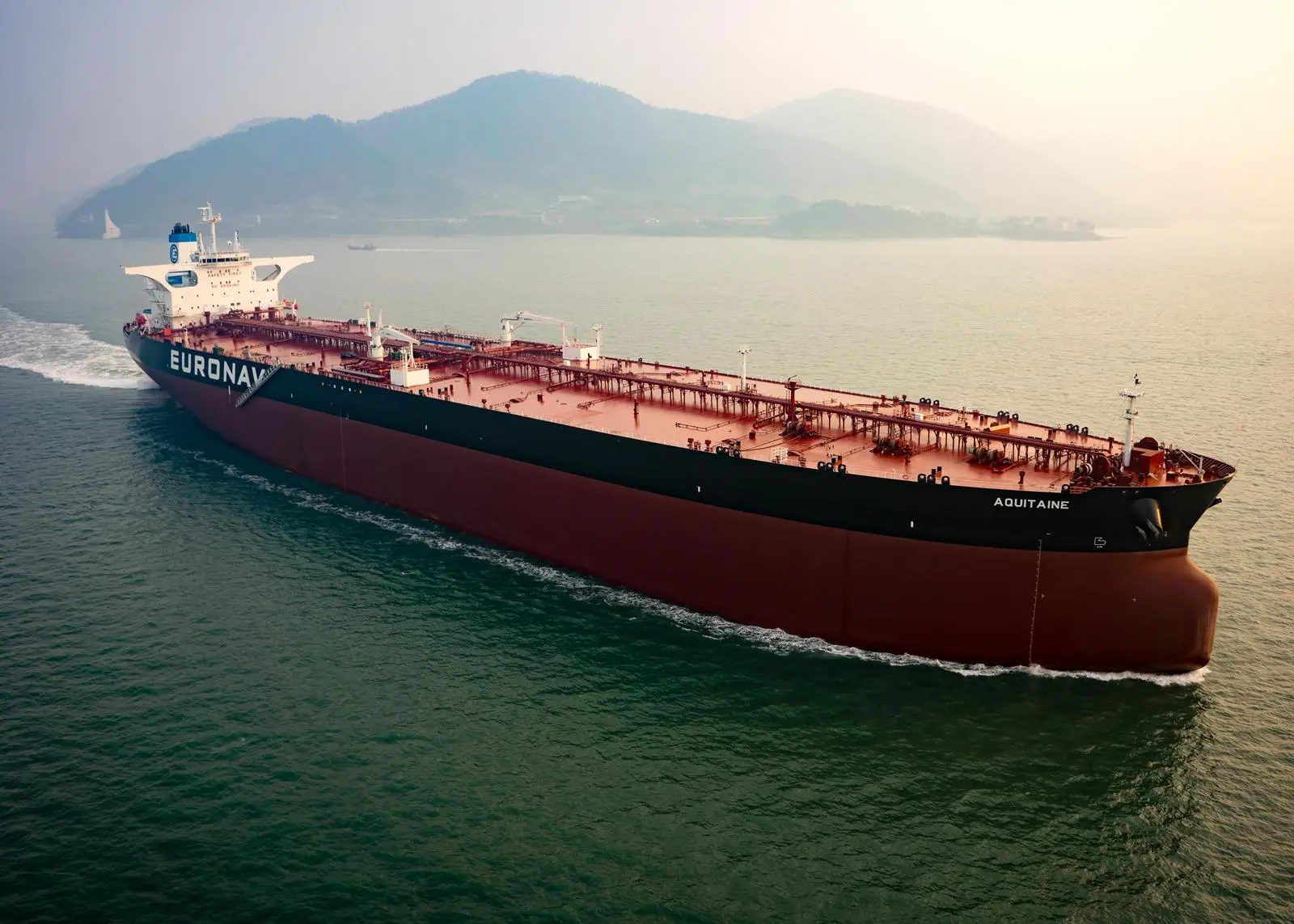
The New York and Euronext-listed company cited concerns over open-loop scrubbers in three areas – initial outlay, pollution and enforcement – while noting that it continues to investigate developments in each field.
The company claimed that upfront capital investment in scrubbers, at US$5 million for each very large crude carrier (VLCC), offered “very low visibility on returns”.
“Promoters of scrubbers have used MGO as a proxy for the price of compliant fuel,” Euronav noted. “Some refiners including Sinochem have recently confirmed that they will sell clean compliant fuel at a price likely to be half the difference between dirty HFO and MGO. So the investment case now has half the returns being promoted and it is still 14 months before implementation and nothing suggests this price gap will not further narrow in that time.”
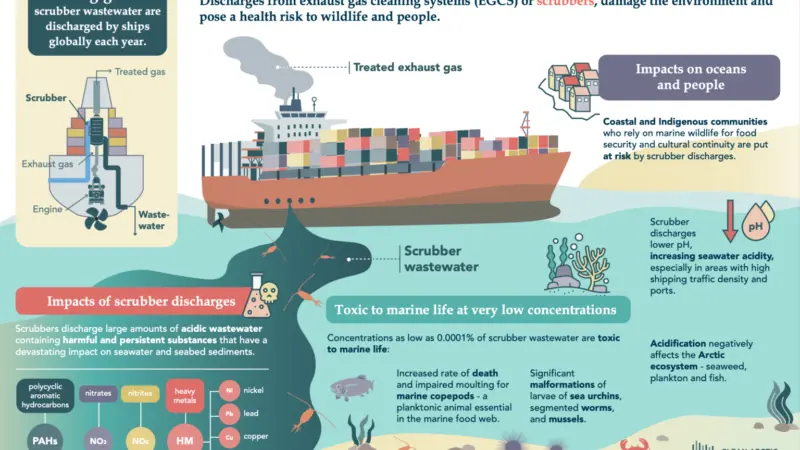
Concerning pollution and operational issues, the Belgian ship owner described wastewater from open-loop scrubbers as “a toxic cocktail of sulphuric acid constituents, polycyclic aromatic hydrocarbons and heavy metals which are pumped into the open ocean, essentially transferring pollution from air to sea”. Putting sulphur back into the sea reduces its ‘natural buffering capacity’, Euronav said, while increasing the sulphur content in world’s oceans would have an unknown cumulative impact – although it was likely to increase ocean acidity. Further, scrubbers increase CO2 emissions.
Operational concerns include additional cost, unproven applications on large tankers and a known risk of corrosion. The risk of future regulatory action by ports or flag states, as well as “the court of public opinion”, were also cited.
“Promoters of this technology argue that the open oceans dilute waste water, rendering it harmless,” the statement read. “But the solution to pollution is not dilution. We don’t know what the cumulative effect of this waste water will be or how it will interact with existing seaborne pollutants, particularly in congested sea-lanes.”
The company concluded: “Refiners and oil producers have increasingly made clear that sufficient compliant fuel will be available. Scrubbers are therefore a loop hole which makes enforcement of the sulphur ban extremely complex, difficult to enforce and likely to facilitate non-compliance.”
Addressing the profit advantage some owners have claimed scrubbers will bring, Euronav said it was investigating “alternative mechanisms” to capture volatility in the prices and differentials between HFO and low-sulphur fuel oil.
Related Articles
 EXHAUST GAS CLEANING SYSTEMS
 EXHAUST GAS CLEANING SYSTEMS
 EXHAUST GAS CLEANING SYSTEMS