



Alliance demands global scrubber rules
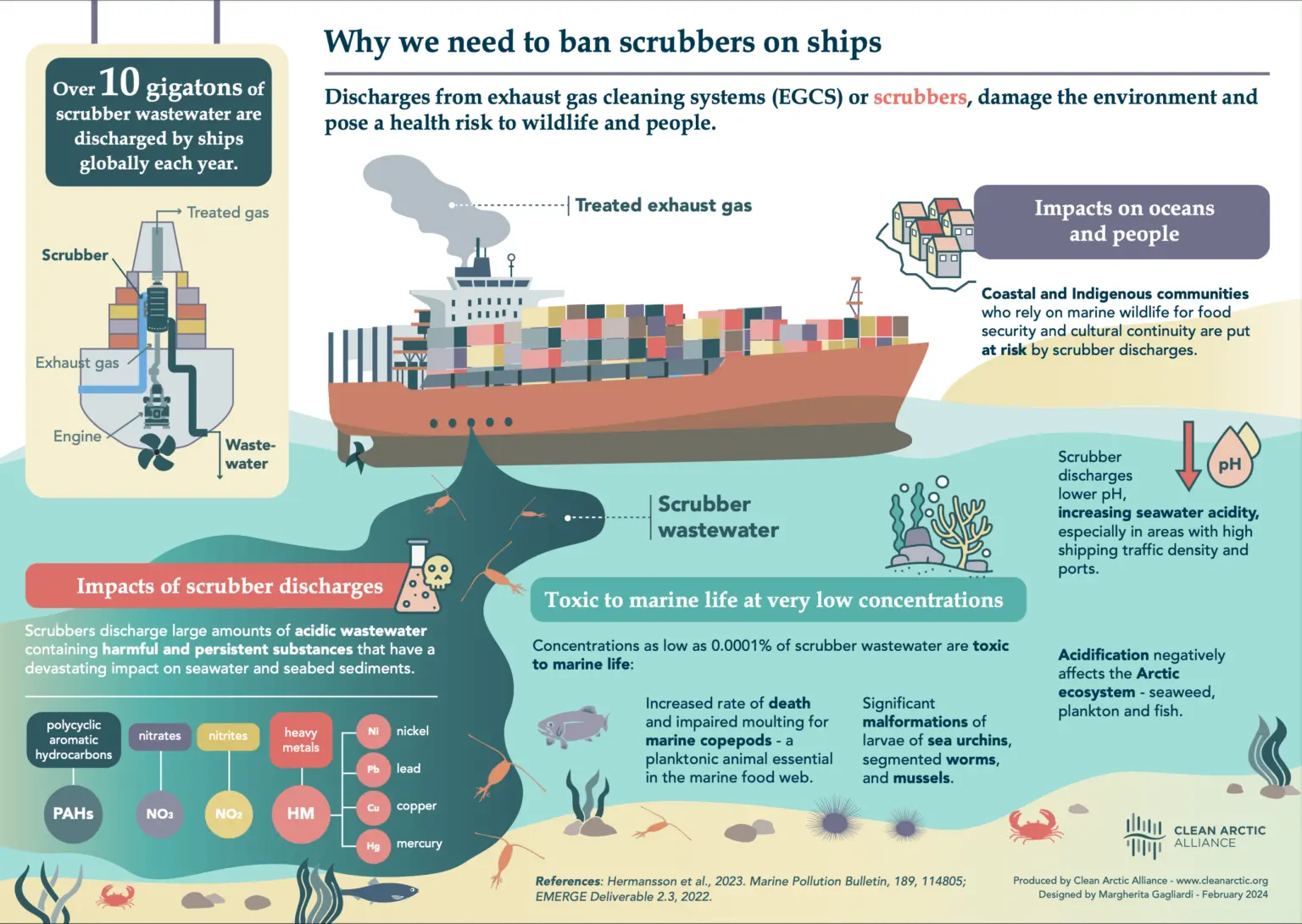
Speaking during the IMO’s Pollution Prevention and Response meeting in London, the Alliance said shipowners are increasingly facing inconsistent regulations as more coastal states move independently to restrict or prohibit scrubber discharges in their waters.
“Currently there is no global regulation addressing the management of scrubber wastewater — this black hole in the IMO’s efforts to protect ocean health must be urgently addressed,” said Dr Sian Prior, lead advisor to the Clean Arctic Alliance. “Without coordinated international action, marine ecosystems remain exposed to toxic discharges.”
READ MORE: Clean Shipping Alliance Q&A on scrubbers
According to the Alliance, frustration over the IMO’s inaction has led local, national and regional authorities to implement their own bans. While intended to protect coastal waters, this growing patchwork of rules is creating regulatory uncertainty for the shipping industry.
“Due to the IMO’s failure to regulate harmful discharges, we now see a rapidly expanding maze of local restrictions,” said Dr Kåre Press-Kristensen of Green Global Future. “The only way out of this mess is a rapid and ambitious IMO regulation of scrubbers.”
The Alliance also pointed to France’s enforcement of scrubber discharge bans as proof that effective oversight is achievable. “Enforcement is not an argument against strong regulation,” Press-Kristensen added. “It can be done, and it is being done.”
The group is urging IMO member states to recognise the environmental risks and agree on binding global standards to safeguard ocean health.
Related Articles
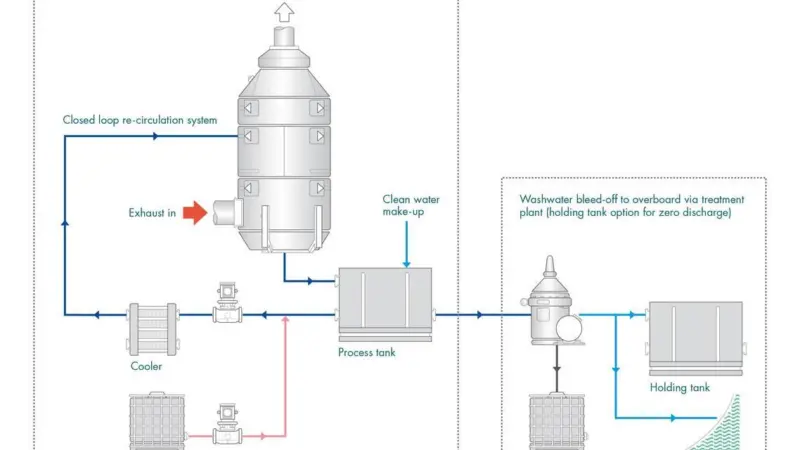 EXHAUST GAS CLEANING SYSTEMS
 EXHAUST GAS CLEANING SYSTEMS
 EXHAUST GAS CLEANING SYSTEMS