



ABB to power Icelands first electric ferry
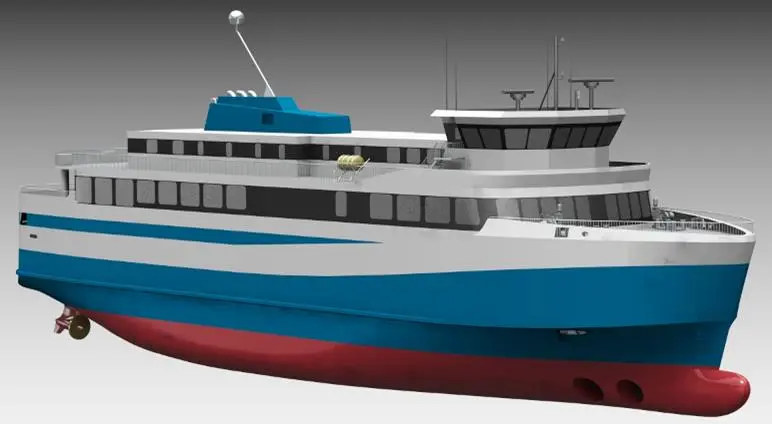
The 70m-long ferry, with a capacity of 550 passengers and 330 lane metres, is designed by Polarkonsult and is due for delivery from the Crist S.A. shipyard in 2019. The vessel will feature a large battery pack (3000kWh) and is designed to operate in a fully electric mode for most of time, with onshore charging in both harbours. During particularly challenging weather conditions, when the consumption of battery power may exceed the available energy, the ferry will utilise its diesel-electric generator set.
“Selection of ABB’s technologies for a vessel operating on such a tough route, where the water depth is sometimes limited to 4.5 meters, but wave heights can reach 3.5 meters, sets a new benchmark for battery power on board a ship,” said Juha Koskela, Managing Director, ABB Marine & Ports. “In line with our vision for electric, digital and connected shipping, this project demonstrates how system integration – whether on board the ship or between the ship’s crew and shoreside expertise – is a key success factor for vessel management.”
ABB’s power distribution system Onboard DC Grid will ensure the high efficiency of the new ferry by allowing the batteries to connect directly to the DC link, which helps avoids losses of power during charging and discharging. Additionally, the system can allow for variable speed operation of the diesel engines, which results in reduced fuel consumption.
The scope of ABB supply also includes generators, transformers, switchboards, the Power and Energy Management System (PEMS) and the Energy Storage Control System (ESCS). The ferry will be connected to ABB Ability Collaborative Centers Infrastructure. This network uses remote equipment monitoring and data analytics to enable remote technical support, as well as predictive maintenance and planned interventions.
Crucial to the supporting infrastructure shoreside is the shore power connection delivered by ABB to recharge the battery with a power of 2500kW while the ferry is in the dock. On average, it will take about 30 minutes to recharge. With 80 percent of Iceland’s energy coming from non-fossil resources, led by hydropower and geothermal energy, the newbuilt vessel will be well positioned to support Iceland’s sustainability goals.
Related Articles
 ELECTRIFICATION AND BATTERY HYBRIDS
 ELECTRIFICATION AND BATTERY HYBRIDS
 ELECTRIFICATION AND BATTERY HYBRIDS