BHP issues first tender for LNG-fuelled bulkers
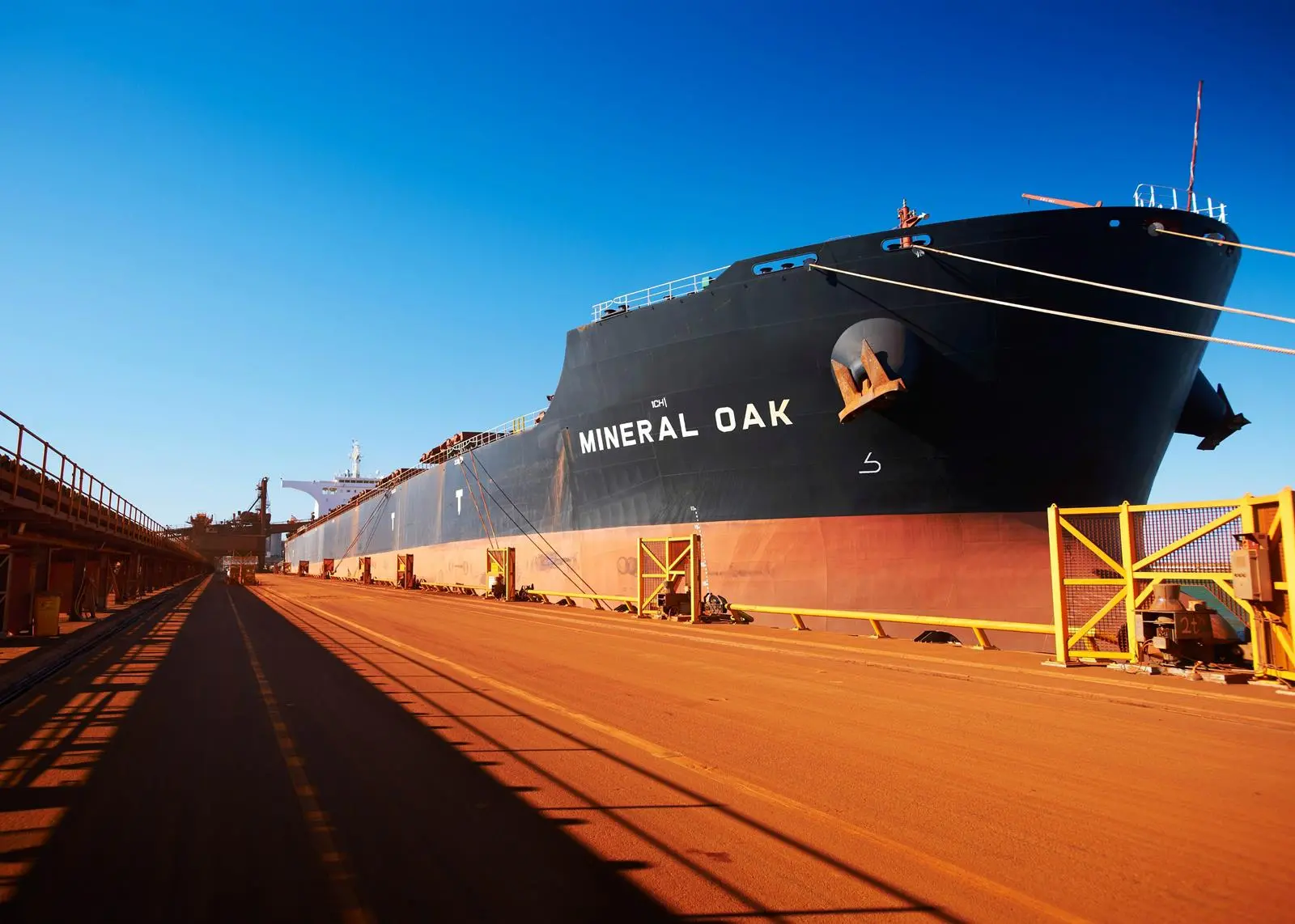
The announcement by BHP is likely to be closely followed in dry bulk shipping circles, given the importance of its shipments for Capesize loadings between Western Australia and mainland China, as well as other East Asian consumers.
BHP and fellow resource producer Rio Tinto are the largest exporters of iron ore from Western Australia, which in turn has accounted for up to two-thirds of Chinese imported seaborne iron ore in recent years. In the financial year ending 30 June 2018, BHP operated mines produced around 275 million tonnes of iron ore, on a 100% basis (including third party material).
While the few LNG-fuelled bulk carriers in operation are currently smaller in size and operate in the European market, the arrival of two H-Line LNG-fuelled 180,000 dwt Capesize vessels in 2021 is likely to alter the market.
Introducing LNG-fuelled ships into BHP’s maritime supply chain will eliminate NOx (nitrogen oxide) and SOx (sulphur oxide) emissions and significantly reduce CO2 emissions along the busiest bulk transport route globally.
Rashpal Bhatti, Vice President, Maritime and Supply Chain Excellence said emissions resulting from the transportation and distribution of BHP’s products represent a material source of its value chain emissions (Scope 3).
The tender is open to a select group of industry leaders, from ship owners, banks and LNG fuel network providers. As well as LNG-fuelled transport for up to 10% of its iron ore, the tender seeks other innovative solutions that can lower greenhouse gas emissions and increase productivity from BHP’s freight requirements.
“While LNG may not be the sustainable homogenous fuel of choice for a zero carbon future, we are not prepared to wait for a 100% compliant solution if we know that, together with our partners, we can make significant progress now,” Bhatti concluded.