Boiler technology offers easy path to LNG
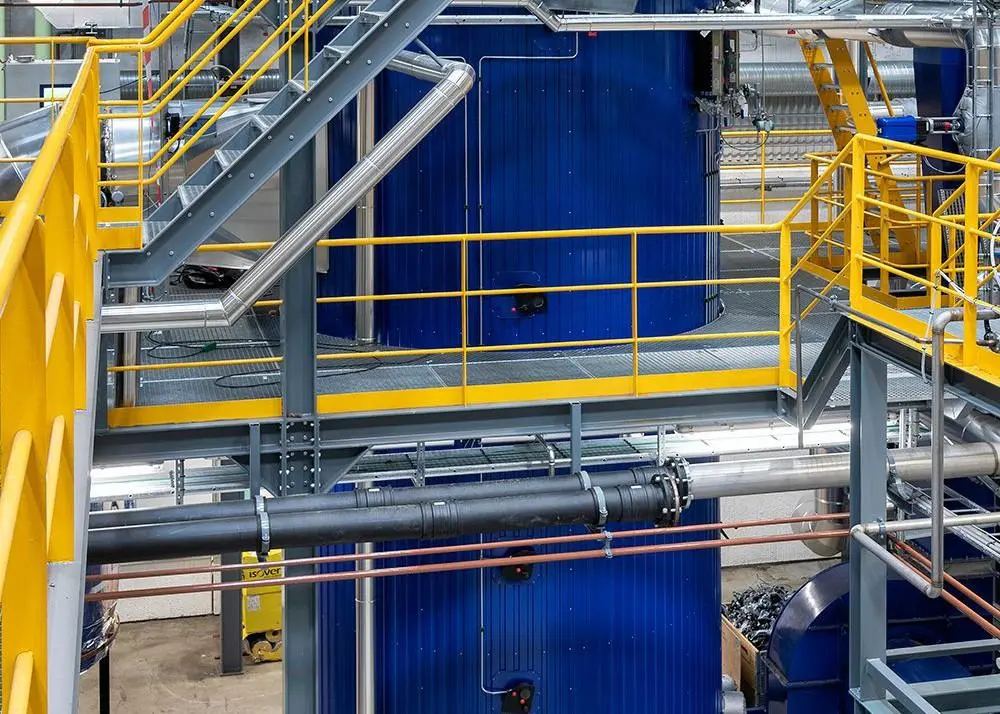
In order to use LNG as fuel, vessels must be able to manage boil-off gas, the evaporated gas that can increase tank pressure. The Alfa Laval Gas Combustion Unit (GCU) safely burns boil-off gas in compliance with the International code for Gas as Cargo (IGC) and the company is also managing boil-off gas with dual-fuel Alfa Laval Aalborg boilers, helping a larger number of vessels to use LNG.
“Customers are attracted to LNG propulsion for a variety of reasons, and it’s being considered for many vessel types besides LNG carriers,” explained Markus Tauriainen, manager exhaust & combustion system sales at Alfa Laval.
When an LNG fuel tank is incorporated into a vessel, the pressure created by boil-off gas must be kept at a level that avoids ventilation to atmosphere via the safety valve. Condensation of the gas is possible but doing this on board adds complexity and cost for most vessels. Likewise, burning the gas in auxiliary engines or gensets requires pressurisation, which demands a redundant expensive compression train.
The advantages of a boiler
A boiler is equipment that vessels need anyway and Aalborg boilers, like the GCU, have another advantage when it comes to boil-off gas management. Every fifth year the tank environment must be made non-hazardous by replacing the LNG with inert gas. During this process, Aalborg dual-fuel boilers are able to burn the mixture of inert gas and LNG.
“Inert gas itself doesn’t burn, so the mixture resulting from the inerting process can’t be fed to an engine or genset,” explained Mr Tauriainen. “It can be fed to an Aalborg dual-fuel boiler, however. So the boiler offers a time-saving and economical solution to this recurring issue, which otherwise has to be solved by visiting an onshore disposal terminal before and after dry docking.”