NEW BRAZILIAN-BUILT BUNKER TANKERS AIM FOR FLEXIBILITY
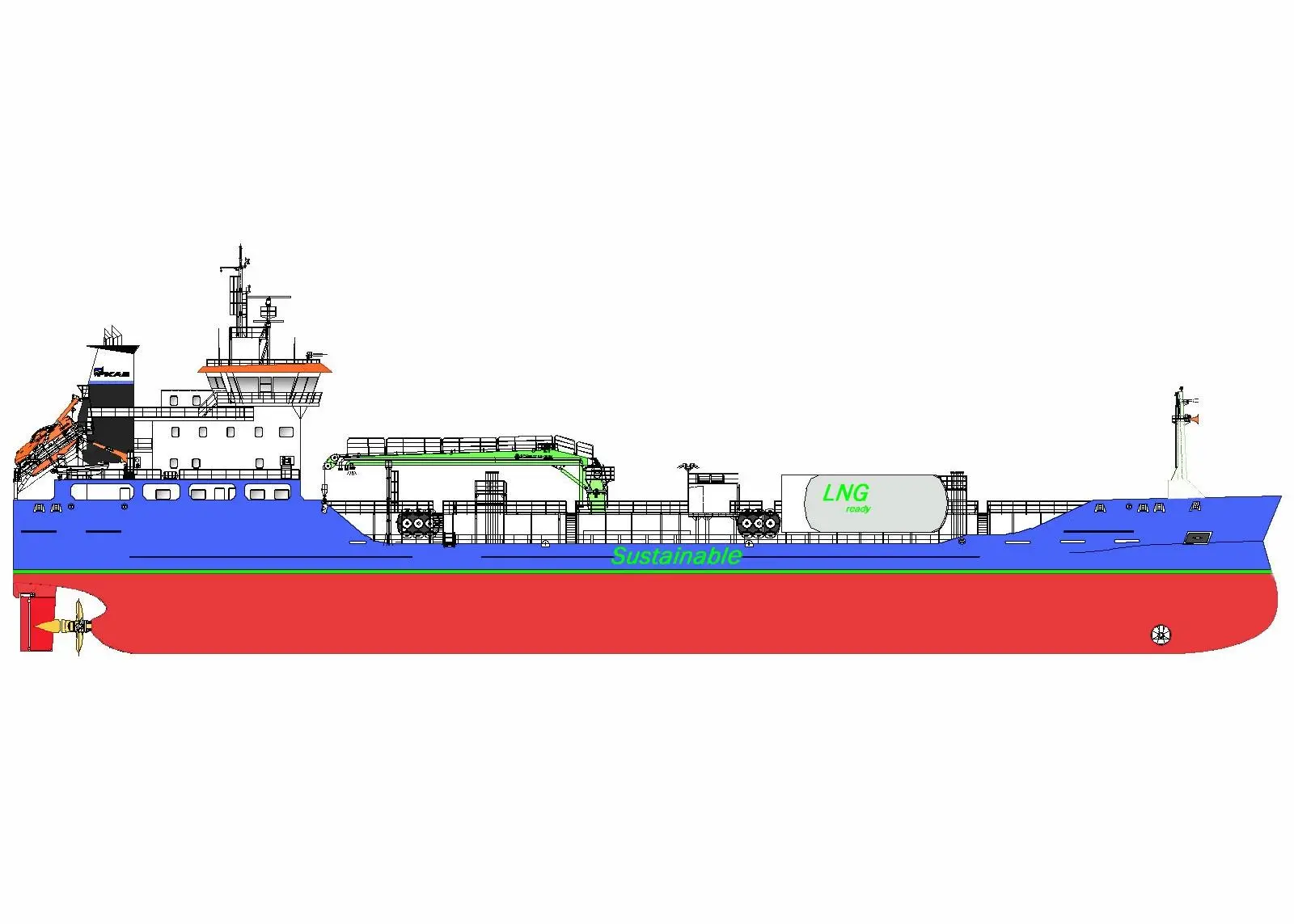
The dual-fuel chemical tankers will be designed by Swedish naval architecture firm FKAB, classed by DNV GL and built by Estaleiro Rio Maguari (ERM), a Brazilian shipyard powered entirely by renewable power.
The vessels will be built to European specifications, have a green passport and meet IMO Tier III requirements. They will be designed for cargo and operational flexibility and will have the ability to carry ethanol as well as fossil fuel bunkers.
The vessels destined to remain in Brazil will be available for bareboat charter for bunkering operations in the nation’s ports, and the other four will be put up for sale in Europe. The first four vessels are expected to be delivered in mid-2022, with subsequent vessels delivered in four month intervals. An option for a further four vessels will potentially see them targeted at future small-scale LNG operations in Brazil.
Consulting firm Waterline Maritime initiated the newbuild project after assessing markets globally. The company was founded in 1985 in Rio de Janeiro, Brazil, initially under the name Relship, and it now has an operations base in the US and is active around the world. Initially envisaged as a project for vessels with half of the capacity six years ago, Founder and Managing Director Roberto Levier now sees a market opportunity for larger vessels in Brazil, particularly as Petrobras is currently planning to sell eight of its refineries. Levier says there is already a lack of ship-to-ship bunkering capacity in many Brazilian ports, and he anticipates each of the four chartered tankers to be operational in different regions of the country.
He notes some international vessel operators already choose to bunker in Singapore for the round-trip to Brazil and hopes that will change. Additionally, there are a lot of shuttle tankers servicing Aframax and Suezmax tankers as part of Brazil’s offshore crude oil exports that would offer further market potential, as would vessels involved in the nation’s iron ore exports.
The four vessels to be sold overseas will be targeted at fleet renewal opportunities in northern Europe and the UK. Levier sees a particular need for vessels of this capacity there, and the dual-fuel engines planned for the tankers are expected to suit this market. “LNG infrastructure in Brazil is upcoming, but it’s another three to five years away,” says Levier. In contrast, LNG is readily available in northern Europe.
An engine manufacturer has not yet been chosen, but Levier is looking for a company with representation in Brazil. Discussions are currently underway.
While he predicts that there will be demand for fossil fuel bunkering for another 20 years, Levier notes there is a lot of attention being paid in Brazil, as elsewhere, to future fuel options such as hydrogen and ammonia: another reason for designing the tankers with as much flexibility as possible.