MITSUI E&S APPLIES LATEST ECO-SHIP TECHNOLOGY TO EXISTING SHIPS

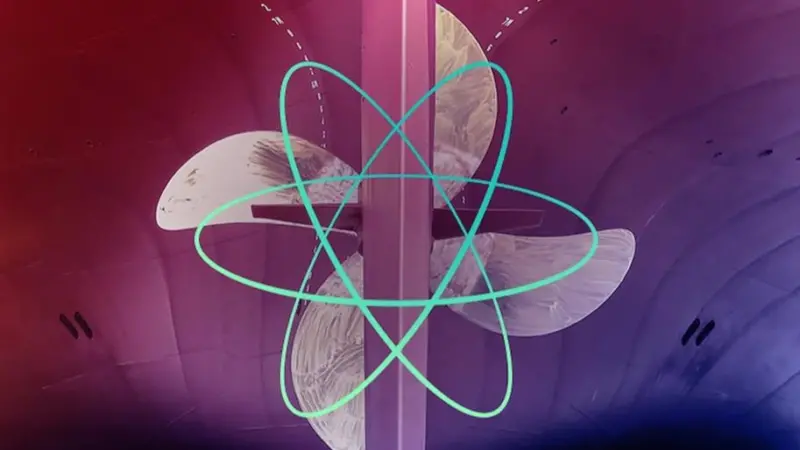
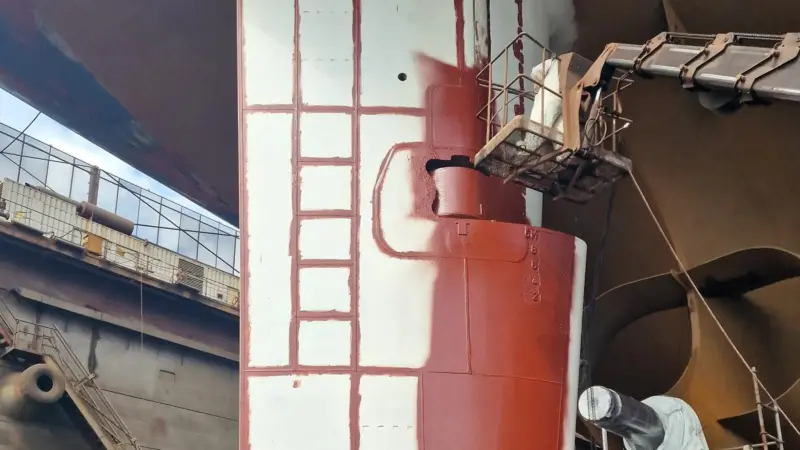
The Mitsui E&S Group companies are working with affiliate Akishima Laboratories to incorporate optimized energy saving devices and propeller designs based on advanced numerical simulation using existing vessels’ hull form data. The service includes derating and optimizing tuning of the main engine along with installation of energy-saving devices such as ducts, rudder bulbs and rudder fins. Additionally, high efficiency propellers will be designed using the latest Computational Fluid Dynamics simulation technology, incorporating machine learning, to achieve maximum efficiency across the entire propulsion system.
A spokesman for Mitsui E&S Shipbuilding says the company has already received a lot of positive feedback from potential customers.
The new service is part of the group’s ambition to meet the demand for reducing GHG emissions from both existing and newbuild vessels, in line with the efforts that shipowners are making to meet IMO targets.
Looking to the future, the group envisages a design paradigm shift towards 2035 with the introduction of low-carbon technologies and the transition to mechatronics – technologies that incorporate electronic control into power machinery. The group’s Mid-Term Business Plan 2020 released in August states: “The spread of power-mechatronics centring on electric and electronic engineering will digitalize all products and services, provide for their connection to the virtual space to dramatically increase freedom in system design and help create revolutionary products.”
While products such as electronically controlled engines already exist, states the group, their technologies are still in development. “Further progress in the incorporation of digital modules and the integration of entire systems is awaited.”
Ultimately, the incorporation of digital modules into power mechatronics products will pave the way for centralised remote control of all ship operations including loading, sailing, mooring and unloading. Last year, the group demonstrated the potential for automatic berthing technology developed as part of a project with Mitsui O.S.K. Lines, Tokyo University of Marine Science and Technology and Akishima Laboratories. The project team completed 54 auto berthing operations using a virtual pier set on open water.
In August this year, the group announced plans for the development of ammonia-fuelled ships in partnership with Imabari Shipbuilding, MAN Energy Solutions, ClassNK, ITOCHU ENEX and ITOCHU Corporation. As well as the ship and equipment design, the project will evaluate owning and operating the ships, supplying ammonia fuel and developing ammonia supply facilities.